

Tromsø
Images

Tromsø, Norway




Geographical Identity
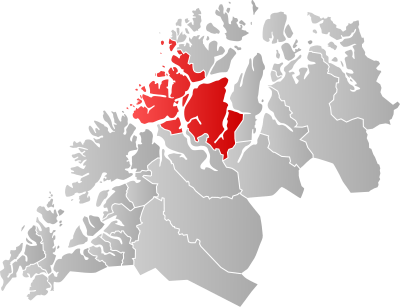
Tromsø's identity is intrinsically linked to its unique geography. Situated in Northern Norway, the city is primarily located on the island of Tromsøya, nestled within the Tromsøysundet strait. This island location is not isolated; it's intricately connected to the mainland via the Tromsø Bridge and the Tromsøysund Tunnel, a feat of engineering that allows passage beneath the sea.
Further connectivity is provided by the Sandnessund Bridge, linking Tromsøya to the island of Kvaløya. This archipelago structure, characterized by fjords and islands, shapes the city's urban planning, transportation networks, and its relationship with the surrounding natural environment. The city's position above the Arctic Circle makes it a prime location for observing phenomena like the midnight sun and the aurora borealis, significantly influencing its cultural and economic development.
Historical Layers
The historical fabric of Tromsø is visibly preserved in its architecture, most notably its collection of old wooden houses, the most extensive in Northern Norway. The oldest surviving structures date back to 1789, testifying to Tromsø's long history as a significant trading and fishing center. Its strategic location facilitated commerce and served as a crucial starting point for numerous Arctic expeditions, earning it the moniker 'Gateway to the Arctic.' Over centuries, Tromsø evolved from a modest settlement into a vital administrative and cultural hub for the region.
This evolution reflects Norway's broader history of exploration, resource management, and the development of northern communities facing unique environmental challenges.
Cultural Vibrancy and Societal Rhythms
Tromsø functions as a significant cultural nexus for its region. The city hosts a variety of festivals throughout the year, particularly during the summer, fostering a vibrant arts and community scene. The extreme climatic conditions profoundly influence daily life and cultural practices.
The phenomenon of the midnight sun in summer encourages active outdoor lifestyles and extended social events, while the polar night in winter necessitates different forms of social engagement, often centered around indoor activities and the appreciation of the aurora borealis. This duality creates a unique rhythm to life in Tromsø, blending resilience with a deep connection to the natural cycles of the Arctic.
Economic Drivers
The economic landscape of Tromsø is multifaceted, built upon a foundation of traditional Arctic industries and modern scientific endeavors. Historically, fishing and aquaculture have been cornerstones of its economy, with seafood processing and export playing a vital role. In contemporary times, Tromsø has emerged as a leading center for Arctic research, with institutions focusing on marine biology, climate science, and polar studies.
This academic strength fuels innovation and attracts talent. Furthermore, tourism has become a significant economic contributor, capitalizing on the city's unique natural attractions like the Northern Lights and the dramatic Arctic scenery, positioning Tromsø as a key destination for adventure and scientific tourism.
Governance and Education in the High North
As the administrative center for both Tromsø Municipality and Troms county, the city plays a crucial role in regional governance. Its political structure operates within Norway's parliamentary democracy framework, managing local services and development initiatives. Education is a paramount sector in Tromsø, highlighted by the presence of the University of Tromsø – The Arctic University of Norway. This institution is the world's northernmost university and a leading research center for Arctic issues, offering specialized programs that attract students and researchers globally.
The university's presence significantly contributes to the city's intellectual capital and its role as a knowledge hub for the High North.
See also
Frequently Asked Questions
What is Tromsø and where is it located?+
Why is Tromsø called the "Gateway to the Arctic"?+
How can people travel to Tromsø from the mainland?+
What special natural lights can you see in Tromsø?+
What kinds of jobs and activities do people in Tromsø do?+
Based on content from Wikipedia · Licensed under CC BY-SA 4.0