

Trapezius Muscle: Your Amazing Shoulder Shrugger!
Images
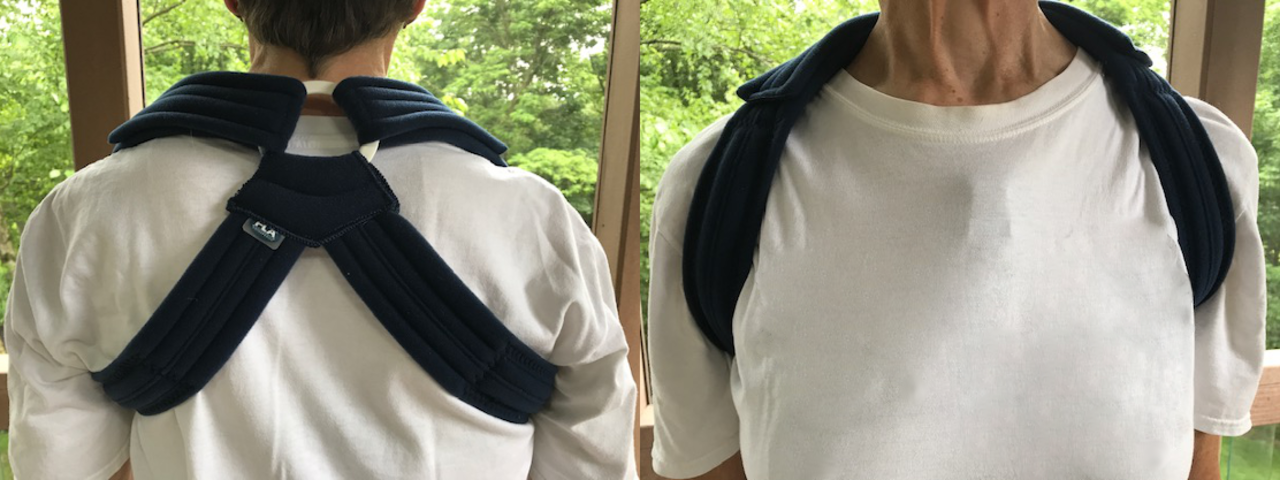
Retraction brace FSHD white


Anatomical Architecture of the Trapezius
The trapezius is a broad, paired, superficial muscle of the upper back and neck, named for its trapezoidal shape. It originates from the external occipital protuberance and nuchal ligament of the skull, and the spinous processes of the cervical and thoracic vertebrae. Its extensive insertion spans the lateral third of the clavicle, the acromion, and the spine of the scapula.
Anatomically, it is functionally divided into three distinct regions: the superior (upper) fibers, which ascend from the spine to the clavicle; the middle fibers, which run horizontally from the thoracic spine to the scapular spine; and the inferior (lower) fibers, which descend from the mid-thoracic spine to the scapular spine. This tripartite structure allows for a nuanced control over scapular and head movements. The muscle is innervated by the spinal accessory nerve (cranial nerve XI) for motor function and by branches of the cervical nerves (C3 and C4) for proprioception and sensation, highlighting its complex neural control.
Its vascular supply is primarily from the transverse cervical artery and the superficial branch of the suprascapular artery.
Biomechanics and Functional Roles in Movement
The trapezius muscle plays a pivotal role in the kinetic chain, facilitating a wide array of movements involving the head, neck, and shoulder girdle. The superior fibers are primarily responsible for elevating the scapula and extending and rotating the head and neck contralaterally. This action is crucial for actions like shrugging and tilting the head.
The middle fibers retract the scapula, drawing the shoulder blades together, which is vital for maintaining thoracic extension and providing a stable platform for arm movements. The inferior fibers depress and upwardly rotate the scapula, working in concert with other muscles like the serratus anterior to facilitate overhead reaching and throwing motions. The trapezius also acts as a dynamic stabilizer, counteracting forces and maintaining postural integrity, particularly against gravity.
Its coordinated action with other muscles, such as the rhomboids, levator scapulae, and rotator cuff muscles, allows for the complex, fluid movements characteristic of human locomotion and skilled activities.
Historical Perspectives and Evolutionary Significance
The development and prominence of the trapezius muscle are intrinsically linked to human evolution, particularly the transition to bipedalism and the development of fine motor skills. Early hominids likely relied on robust trapezius muscles for locomotion, foraging, and carrying. As upright posture became the norm, the trapezius evolved to support the head's weight and facilitate the complex movements of the arms and shoulders necessary for tool use, hunting, and social interaction.
The ability to rotate the head independently of the body, a function heavily influenced by the trapezius, would have been advantageous for predator detection and communication. In historical contexts, well-developed trapezius muscles were often associated with physical labor, warfare, and athletic prowess, signifying strength and resilience. Understanding its evolutionary trajectory provides insight into its fundamental importance for human survival and activity across millennia.
Clinical Implications and Pathologies of the Trapezius
Dysfunction of the trapezius muscle is a common contributor to various musculoskeletal complaints. Weakness or imbalance, often exacerbated by prolonged static postures (e.g., desk work, computer use), can lead to scapular dyskinesis, characterized by abnormal movement of the shoulder blade. This can result in impingement syndromes, rotator cuff pathology, and neck pain.
Conversely, overuse or chronic tension, frequently seen in individuals experiencing stress or repetitive overhead activities, can lead to trigger points, muscle spasms, and myofascial pain syndrome. The trapezius is also susceptible to injury from trauma, such as whiplash in motor vehicle accidents. Clinical assessment often involves evaluating muscle strength, range of motion, and palpating for tenderness or trigger points.
Therapeutic interventions typically include targeted strengthening exercises, stretching protocols, manual therapy, and ergonomic modifications to address the underlying causes of dysfunction and restore optimal muscle function.
Trapezius in Modern Performance and Rehabilitation
In contemporary sports science and physical rehabilitation, the trapezius muscle is a focal point for performance enhancement and injury recovery. Athletes across disciplines, from weightlifting and rowing to swimming and throwing sports, depend on a strong and coordinated trapezius for power generation, stability, and injury prevention. Training programs often incorporate specific exercises targeting the different fiber groups of the trapezius to optimize scapular control and overhead mechanics.
In rehabilitation settings, restoring trapezius function is paramount for individuals recovering from shoulder injuries, neck pain, or postural deficits. Techniques such as proprioceptive neuromuscular facilitation (PNF), dry needling, and functional movement training are employed to address muscle imbalances, improve neuromuscular control, and facilitate a return to full activity. The trapezius's role in mediating head and shoulder posture also makes it relevant in fields like ergonomics and occupational therapy, aiming to mitigate the effects of modern work environments.
See also
Based on content from Wikipedia · Licensed under CC BY-SA 4.0