

Tokyo Metro Ginza Line
Images
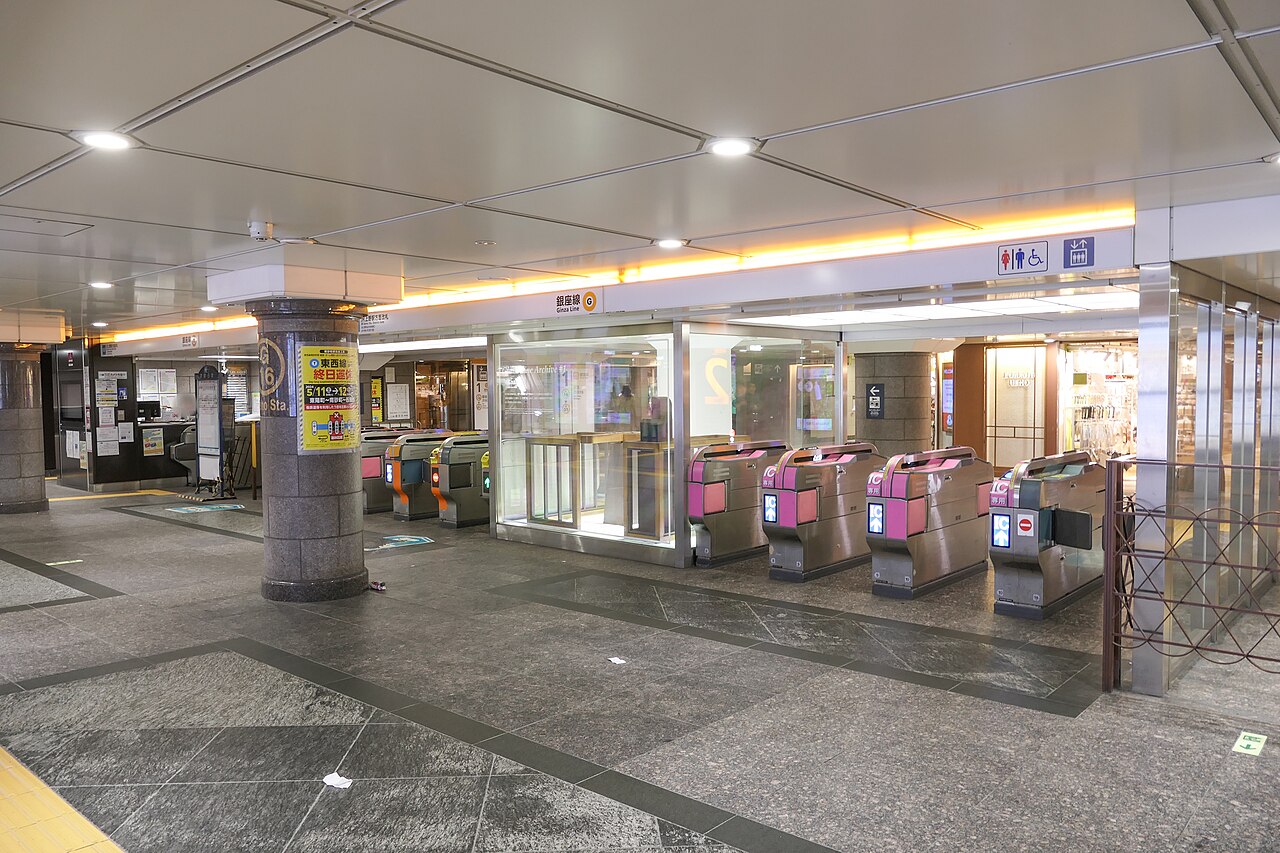
Tokyo-metro Ginza-line Ueno-STA JR-Ueno-Sta-District-Gate


The Genesis of an Urban Lifeline
The Tokyo Metro Ginza Line, officially designated as Line 3 Ginza Line, stands as a monumental achievement in early 20th-century urban engineering. Inaugurated in 1927, it holds the distinction of being the first subway line constructed in Asia. This pioneering venture was driven by the burgeoning needs of Tokyo, a rapidly expanding metropolis grappling with the limitations of surface-level transportation like trams and buses.
The decision to build underground was a forward-thinking response to increasing population density and the desire for efficient, weather-independent transit. The line's construction involved significant engineering challenges, including tunneling beneath densely populated areas and navigating complex geological conditions. Its successful operation not only revolutionized intra-city travel for Tokyo's residents but also served as a crucial blueprint for subsequent subway development across Japan and the wider Asian continent, demonstrating the viability and immense benefits of subterranean transit systems.
Navigating Tokyo's Wards
Spanning 14.3 kilometers (8.9 miles), the Ginza Line is a critical geographical connector within Tokyo's intricate urban landscape. It traverses five distinct wards: Shibuya, Minato, Chūō, Chiyoda, and Taitō. This route is strategically significant, linking major commercial, business, and entertainment hubs.
The line's path under the renowned Ginza district, a premier shopping and luxury retail area, underscores its integration with the city's economic and cultural heart. The choice of an underground alignment minimizes surface disruption, preserving valuable urban space for other uses and contributing to a more efficient land-use pattern. The line's consistent orange color coding on maps and 'G' station identifiers are essential navigational tools in Tokyo's vast and complex public transport network, facilitating seamless travel for millions daily.
Socio-Economic Impact and Urban Integration
The Ginza Line's establishment had profound socio-economic repercussions, fundamentally altering Tokyo's urban development trajectory. By providing rapid and reliable transit, it facilitated suburbanization, enabling residents to commute from newly developing residential areas to central business districts. This accessibility spurred economic growth in both the core city and its peripheries.
The line's route through areas like Ginza also amplified their commercial importance, making them more accessible to a wider customer base. Furthermore, the subway's existence influenced land values and urban planning decisions, encouraging denser development around stations. As a foundational piece of Tokyo's public transportation infrastructure, the Ginza Line has been instrumental in shaping the city's character as a highly interconnected and functional metropolis, supporting its status as a global economic powerhouse.
Enduring Legacy and Modern Relevance
Decades after its inception, the Ginza Line remains a vital component of Tokyo's transportation system, a testament to its robust design and strategic importance. While newer lines have been added, the Ginza Line continues to serve a substantial ridership, demonstrating its enduring relevance. Its historical status as Asia's first subway imbues it with significant cultural and technological heritage.
The line's operational efficiency and the Tokyo Metro's commitment to maintenance and modernization ensure its continued functionality. In an era increasingly focused on sustainable urban development and reducing carbon footprints, the Ginza Line exemplifies the long-term benefits of investing in efficient public transit. Its legacy is not just in its age, but in its continuous contribution to Tokyo's livability, economic vitality, and status as a model for global urban planning.
See also
Frequently Asked Questions
What is the Tokyo Metro Ginza Line?+
Why was the Ginza Line built underground?+
How long is the Ginza Line and which wards does it go through?+
When did the Ginza Line first open?+
Why is the Ginza Line important for Tokyo today?+
Based on content from Wikipedia · Licensed under CC BY-SA 4.0