

Tokyo Imperial Palace
Images

Tokyo Imperial Palace


Geographical and Urban Integration
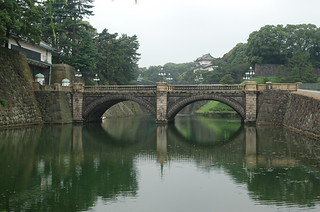
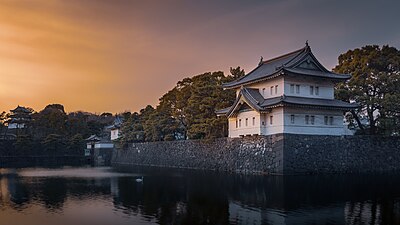
The Imperial Palace, known as Kōkyo, is strategically situated in the Chiyoda district of Tokyo, occupying a substantial 1.15 square kilometer area. This prime location places it at the historical and geographical heart of the Japanese capital. The grounds are characterized by a unique blend of natural landscapes, including meticulously maintained gardens and water features, juxtaposed with the dense urban fabric of Tokyo.
This integration highlights the palace's role not merely as a private residence but as a significant public space that influences the city's aesthetic and environmental balance. The surrounding moats and defensive walls, remnants of its past as Edo Castle, further define its spatial boundaries and historical significance within the metropolitan context.
From Feudal Fortress to Imperial Seat
The history of the Imperial Palace is intrinsically linked to the evolution of Japanese governance. The site was formerly occupied by Edo Castle, the administrative center of the Tokugawa shogunate, which governed Japan for over two and a half centuries. The castle was a monumental feat of engineering and a symbol of samurai power.
Following the Meiji Restoration in 1868, which restored imperial rule, the shogunate was abolished, and Edo Castle was designated as the new Imperial Palace. While the original Edo Castle structures were largely dismantled, the palace complex was built upon its foundations, preserving the historical continuity of the site as a seat of power. This transition marks a pivotal moment in Japan's modernization and its reorientation towards imperial sovereignty.
The Multifaceted Functions of the Imperial Residence
The Imperial Palace is a complex entity housing multiple functions essential to the monarchy and the state. The Fukiage Palace serves as the Emperor's private living quarters, ensuring a degree of personal privacy within a public role. The Main Palace (Kyūden) is the ceremonial hub, where the Emperor conducts official duties, including state ceremonies, the conferral of honors, and hosting foreign dignitaries.
This dual nature-private sanctuary and public stage-is crucial to the Emperor's role. Furthermore, the palace grounds encompass vital archival facilities preserving historical records, museums displaying imperial regalia and art, and administrative offices of the Imperial Household Agency, which manages the Emperor's affairs and the broader imperial institution.
Symbolism, Sovereignty, and National Identity
The Imperial Palace is more than just a residence; it is a potent symbol of Japan's national identity and its enduring imperial tradition. The unbroken lineage of the Japanese imperial family, considered the oldest continuous hereditary monarchy in the world, is embodied by the palace. It represents a tangible link to Japan's past, from its feudal origins to its modern constitutional monarchy.
In contemporary Japan, the Emperor, while largely a ceremonial figurehead, plays a significant role in national unity and cultural continuity. The palace, as his official residence, reinforces this symbolic importance, serving as a focal point for national pride and historical reflection, even amidst the rapid changes of modern society.
The Palace in Modern Governance and Culture
As the primary residence of the Emperor, the Imperial Palace is central to the functioning of Japan's constitutional monarchy. While political power rests with the elected government, the Emperor's role as Head of State, albeit symbolic, necessitates the palace's operational capacity. The Imperial Household Agency, headquartered within the palace grounds, manages the Emperor's public engagements, diplomatic functions, and the preservation of imperial traditions.
The palace also contributes to Japan's cultural landscape, with its gardens and historical significance attracting interest and serving as a backdrop for national events. Its continued existence in the heart of Tokyo underscores the enduring relevance of imperial institutions in shaping Japan's modern identity and its relationship with its own history.
See also
Frequently Asked Questions
What is the Tokyo Imperial Palace?+
Where is the Tokyo Imperial Palace located?+
Why is the Tokyo Imperial Palace important?+
What are the gardens and moats around the palace?+
Who lives in the Tokyo Imperial Palace?+
Based on content from Wikipedia · Licensed under CC BY-SA 4.0