

Tissue: Your Body's Building Blocks!
Images
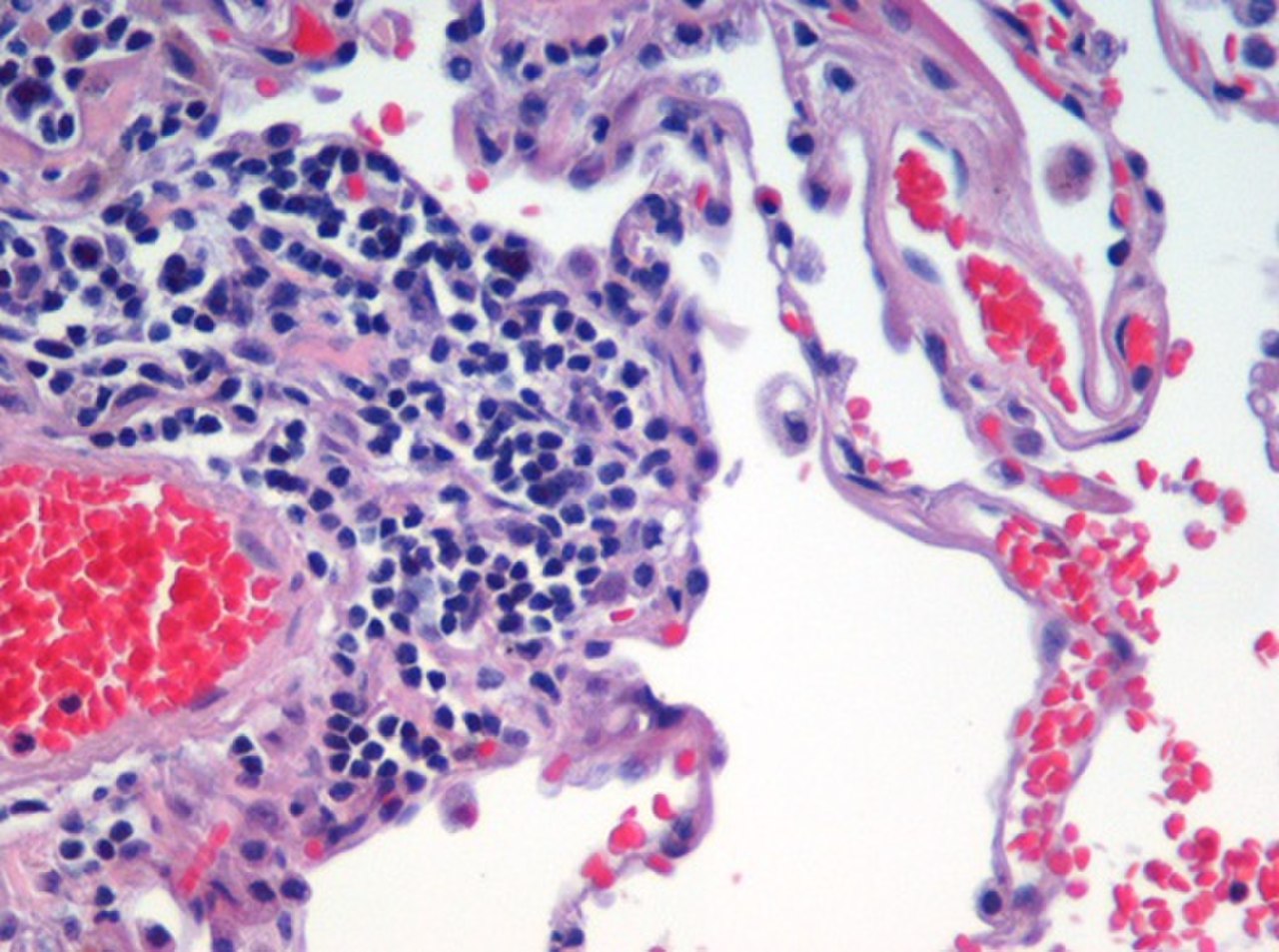
Tissue (biology)


The Emergence of Specialization
In the intricate tapestry of life, multicellular organisms exhibit a hierarchical organization, with tissues representing a pivotal stage of complexity. While single-celled organisms perform all life functions within one cell, multicellularity allows for division of labor. This specialization begins with cells grouping together based on shared structure and function to form tissues.
This organizational leap is fundamental, enabling the development of more sophisticated structures and processes. The evolution of distinct tissue types allowed organisms to develop specialized systems for nutrient acquisition, movement, sensory perception, and reproduction, vastly increasing their adaptability and survival potential. This cellular cooperation is the bedrock upon which all complex animal life is built, allowing for greater efficiency and the development of diverse forms and functions.
The Four Pillars of Animal Structure and Function
The animal kingdom is characterized by four primary tissue types, each with distinct embryological origins and specialized roles: epithelial, connective, muscle, and nervous tissue. Epithelial tissues form coverings and linings, serving protective, secretory, and absorptive functions; they are avascular and rely on diffusion from underlying connective tissue. Connective tissues are diverse, providing support, binding structures, transport, and energy storage; they are characterized by cells embedded in an extracellular matrix, which can be fluid (blood), gel-like (cartilage), or solid (bone).
Muscle tissues are specialized for contraction, generating force for movement, and are categorized into skeletal, smooth, and cardiac muscle, each with unique structural and functional properties. Nervous tissues are responsible for rapid communication via electrical and chemical signals, forming the brain, spinal cord, and peripheral nerves that coordinate bodily activities.
The Indispensable Role of Tissues in Organ Systems
The significance of tissues lies in their role as the fundamental building blocks of organs and, subsequently, organ systems. Organs are not merely random collections of tissues; they are precisely organized structures where different tissue types collaborate to achieve a complex function. For instance, the stomach, a key organ in the digestive system, comprises epithelial tissue for lining and secretion, muscle tissue for churning and propulsion, nervous tissue for regulation and sensation, and connective tissue for structural integrity and support.
The coordinated action of these tissues within the stomach, and its integration with other organs like the small intestine and liver, forms the digestive system. This intricate interplay allows for efficient nutrient breakdown, absorption, and waste elimination, demonstrating how tissue organization is paramount for organismal survival and homeostasis.
From Microscopic Units to Macroscopic Organisms
The journey from a single fertilized egg to a fully formed organism is a testament to the power of cellular differentiation and tissue organization. Through processes like mitosis and meiosis, cells divide and specialize, eventually forming the distinct tissue types. These tissues then self-assemble into organs, which in turn organize into functional systems.
This hierarchical structure is conserved across the animal kingdom, albeit with variations in complexity and specific adaptations. Understanding tissues is therefore crucial for comprehending not only the basic functioning of an organism but also the principles of developmental biology, comparative anatomy, and the evolutionary pathways that have led to the incredible diversity of life on Earth. The study of tissues provides a window into the fundamental mechanisms that govern biological complexity.
See also
Frequently Asked Questions
What are tissues and why are they important?+
How many main types of tissues are there in animals?+
What does epithelial tissue do?+
Why do muscle tissues help us move?+
How does the stomach use different tissues to digest food?+
Based on content from Wikipedia · Licensed under CC BY-SA 4.0