

Tiramisu: The Yummy Italian Treat!
Images

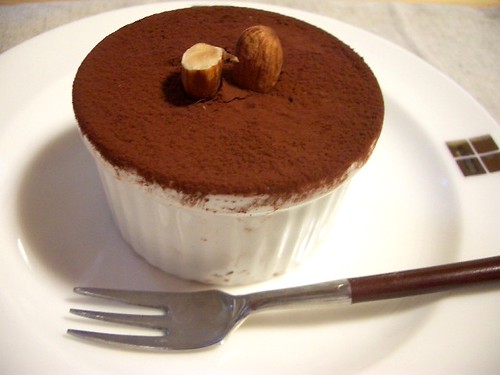
Tiramisu at Delaney's




The Contested Genesis
The narrative surrounding Tiramisu's origin is a fascinating case study in culinary folklore and regional pride. While its widespread popularity is relatively recent, dating primarily from the latter half of the 20th century, its precise birthplace remains a subject of contention between the Veneto and Friuli-Venezia Giulia regions of Italy. This ambiguity adds a layer of mystique to a dessert that has become a global ambassador for Italian cuisine.
The name 'Tiramisu' itself, translating to 'pick me up' or 'cheer me up,' is a direct nod to its energizing components, particularly the coffee and sugar, suggesting a dessert intended to invigorate. Early documented recipes and claims often point to the 1960s and 1970s as the period when Tiramisu began to emerge in its recognizable form, possibly evolving from earlier regional desserts. The debate often involves tracing specific ingredient combinations and preparation methods, highlighting how culinary traditions can develop and be claimed by different locales.
Regardless of its exact genesis, Tiramisu has successfully captured the essence of Italian dessert-making: a harmonious blend of simple, high-quality ingredients transformed into something extraordinary through careful technique.
The Symphony of Flavors and Textures
Tiramisu's enduring appeal lies in its masterful interplay of contrasting yet complementary flavors and textures, a testament to thoughtful culinary design. The foundation is built upon savoiardi, or ladyfingers, which are specifically chosen for their porous structure. When briefly dipped in strong coffee, typically espresso, they absorb the liquid to achieve a tender, yielding consistency without disintegrating.
This coffee infusion provides a crucial bitter counterpoint to the sweetness of the dessert. The heart of Tiramisu is its luscious mascarpone cream. This is traditionally prepared by whisking egg yolks with sugar until they form a pale, ribbon-like consistency, a process known as 'pâte à bombe' when cooked, or simply aerated when raw in some modern interpretations.
The mascarpone, a rich, triple-cream cheese, is then gently folded in, contributing a velvety smoothness and a subtle, milky sweetness. Some variations incorporate whipped egg whites or cream for added lightness, though the classic approach emphasizes the density of the mascarpone. The final dusting of unsweetened cocoa powder not only adds a visually appealing finish but also introduces a final layer of mild bitterness, balancing the overall sweetness and enhancing the coffee notes.
This careful layering and the subsequent chilling period allow the flavors to meld, creating a cohesive and deeply satisfying dessert experience.
From Italian Classic to Global Phenomenon
Tiramisu has transcended its Italian origins to become one of the most recognized and beloved desserts worldwide, demonstrating the power of a well-executed culinary concept. Its rise to global fame, particularly from the late 20th century onwards, can be attributed to several factors. Firstly, its flavor profile-a sophisticated blend of coffee, cream, and cocoa-appeals to a broad international palate.
Secondly, its inherent elegance makes it suitable for both casual enjoyment and formal dining occasions, positioning it as a versatile celebratory dessert. The name 'Tiramisu' itself, meaning 'pick me up,' resonates universally, suggesting a mood-enhancing quality that adds to its allure. Furthermore, the dessert's adaptability has fueled its global spread.
Chefs and home cooks alike have embraced Tiramisu, creating countless variations that incorporate local ingredients or spirits, such as rum, Marsala wine, or even sake, adapting it to diverse culinary landscapes. This willingness to evolve while retaining its core identity has ensured Tiramisu's continued relevance and popularity in an ever-changing gastronomic world. It stands as a prime example of how a single dish can foster cultural exchange and culinary innovation.
The Science and Art of Tiramisu Preparation
The creation of Tiramisu is a delicate balance of culinary science and artistic execution, where each step is critical to achieving the final desired outcome. The absorption rate of the ladyfingers is a key scientific consideration; they must be sufficiently hydrated by the coffee to become tender but not so saturated that they lose structural integrity. This requires precise timing and a coffee that is strong enough to impart flavor without making the biscuits overly wet.
The preparation of the mascarpone cream involves principles of emulsion and aeration. Whisking egg yolks with sugar not only dissolves the sugar but also incorporates air, creating a lighter base. The gentle folding of mascarpone cheese is crucial to maintain this aeration and prevent the cream from becoming dense or oily.
The stability of the cream is influenced by the fat content of the mascarpone and the temperature at which it is worked. The chilling process is also scientifically significant; it allows the gelatinization of starches in the ladyfingers and the setting of the mascarpone mixture, enabling the flavors to meld and deepen through a process of diffusion. This period is essential for the dessert to achieve its characteristic cohesive texture, where the layers are distinct yet integrated.
The final dusting of cocoa powder, often applied through a stencil, adds a final aesthetic touch and a subtle flavor dimension.
See also
Based on content from Wikipedia · Licensed under CC BY-SA 4.0