

Timpani: The Booming Drums!
Images
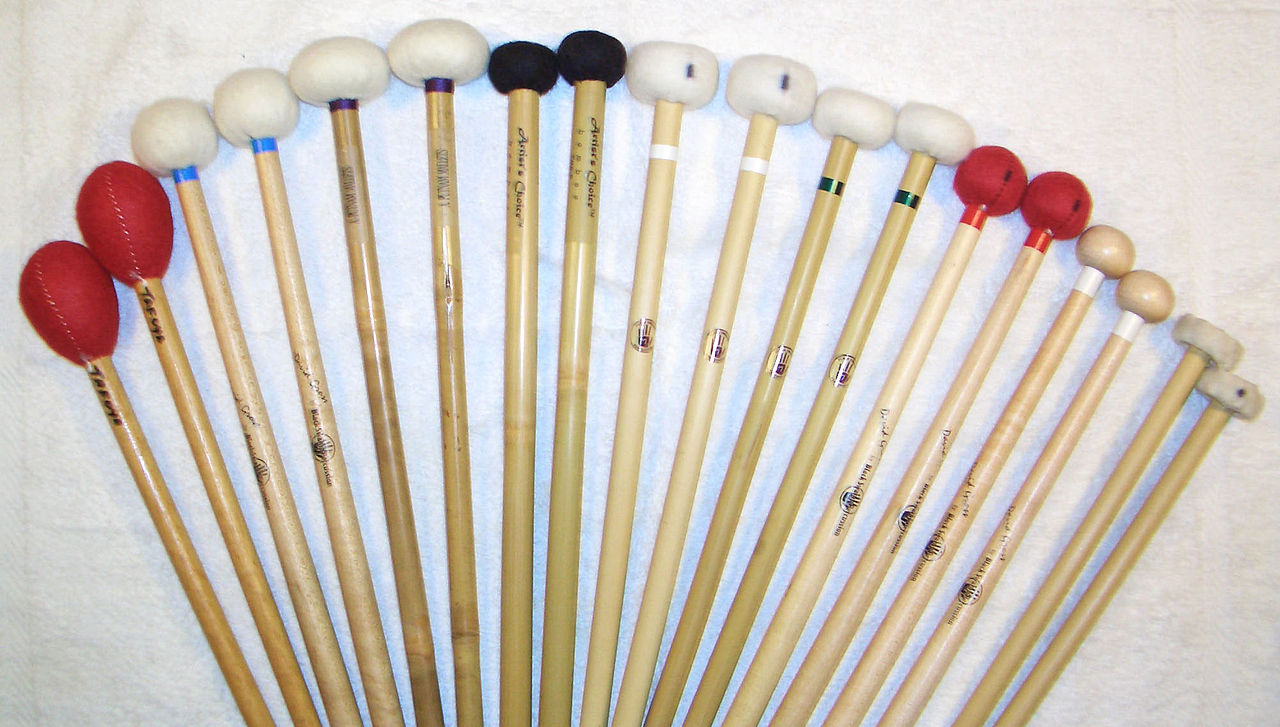
Timpani sticks


The Physics and Form of Kettledrums
Timpani, or kettledrums, are classified as hemispherical drums, a design that is fundamental to their sonic character. The instrument consists of a large, bowl-shaped vessel, traditionally crafted from copper due to its acoustic properties and durability, over which a membrane, known as the head, is stretched. This hemispherical construction is not merely aesthetic; it functions as a resonant cavity that amplifies and shapes the sound produced by the vibrating head.
The curvature of the bowl influences the harmonic series of the drum, contributing to its distinct, pitched tone. Unlike many untuned percussion instruments, the timpani's body is integral to its ability to produce specific musical notes, making it a unique bridge between the rhythmic and melodic sections of an ensemble.
From Battlefield Signals to Baroque Flourishes
The historical trajectory of the timpani is a fascinating study in adaptation and elevation. Originating as military instruments, their primary function was signaling and intimidation, their powerful sound capable of carrying across battlefields. This practical, percussive role was gradually re-evaluated by composers.
During the Baroque and Classical periods, the timpani began to be integrated into orchestral scores, initially for reinforcement and dramatic effect, often used in pairs tuned to the tonic and dominant notes of the key. By the latter half of the 18th century, they had become an indispensable element of the symphony orchestra, their role expanding from mere rhythmic punctuation to more complex melodic and harmonic contributions, often used to underscore moments of grandeur or tension.
The Engineering of Expressive Pitch
The true genius of the modern timpani lies in its sophisticated tuning mechanism, particularly the pedal timpani. This innovation revolutionized the instrument's utility, allowing for rapid and accurate pitch changes during performance. A pedal mechanism, connected to a spider-like arrangement of tension rods, alters the overall tension of the drumhead.
By increasing tension, the pitch rises; by decreasing it, the pitch falls. This allows a skilled timpanist to execute chromatic passages and modulate between keys seamlessly, transforming the timpani from a limited-range instrument to one capable of considerable melodic expression. The precision of this system is critical for contemporary orchestral music, where complex harmonic structures are common.
The Timpanist's Art and Orchestral Significance
The timpanist is a highly specialized musician whose role extends far beyond simply striking a drum. They must possess a keen ear for pitch, a deep understanding of musical phrasing, and the technical dexterity to operate the pedal mechanism while simultaneously striking the drum with carefully chosen mallets. The choice of mallet-varying in hardness and material-profoundly affects the timbre, from a soft, warm tone to a sharp, incisive attack.
In the orchestra, timpani provide a foundational sonic layer, reinforcing harmonic progressions and adding weight and power. Their dramatic potential is immense, capable of creating suspense, marking climaxes, and imbuing music with a sense of ceremony or epic scale. Their presence is often felt as much as heard, shaping the overall dynamic and emotional arc of a composition.
Contemporary Applications and Legacy
While the symphony orchestra remains their primary domain, timpani have found their way into a diverse array of musical settings. Concert bands and marching bands utilize their projection and power for outdoor performances and ceremonial music. Even in popular music genres, such as certain rock and film scores, timpani are employed to inject a sense of drama, scale, and unique percussive texture. This adaptability speaks to the enduring power and versatility of the kettledrum.
The timpani's legacy is one of transformation, from a battlefield tool to a sophisticated musical voice, continually inspiring composers and captivating audiences with its resonant power and expressive range.
See also
Frequently Asked Questions
What are timpani and why do they sound so loud?+
How do timpani make different notes?+
Why were timpani originally used in the military?+
How does a timpanist play the drum while using the pedal?+
What role do timpani play in an orchestra?+
Based on content from Wikipedia · Licensed under CC BY-SA 4.0