

Tifo: The Giant Stadium Pictures!
Images
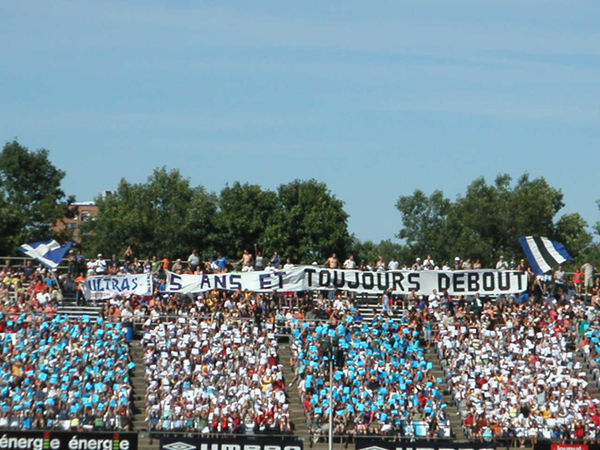
Tifo
Deconstructing the Tifo
A tifo is a complex, multi-faceted phenomenon within sports culture, primarily associated with association football. It transcends simple fan cheering to become a form of collective artistic expression, a visual symphony orchestrated in the stands. At its core, a tifo is a meticulously planned and executed display involving coordinated movements of colored cards, flags, banners, and occasionally more elaborate elements like smoke or confetti.
These displays are designed to create a powerful visual impact, often covering entire stadium sections and transforming the architectural space into a dynamic canvas. The term 'tifo' itself, originating from the Italian word for 'typhus,' hints at the intense, almost feverish, passion and dedication these displays represent. It is a deliberate act of fan agency, a way for the 'tifosi' to assert their presence, identity, and unwavering support for their team, often on a scale that rivals the on-field action itself.
Historical Trajectory
The roots of tifo can be traced back to the mid-20th century, particularly within the burgeoning 'ultras' movement in Italian football during the 1960s and 1970s. These groups sought to elevate fan support beyond spontaneous cheering, aiming for organized, impactful displays that would foster a strong sense of collective identity and intimidate rivals. Early tifos were often simpler, consisting of large banners or coordinated flag-waving.
However, as fan culture evolved and organizational capabilities grew, so did the complexity and ambition of these displays. Innovations in materials, communication, and choreography allowed for increasingly intricate designs, transforming stadium stands into vast mosaics. This evolution reflects a broader trend in fan culture: a desire for greater visibility, a more profound connection to the club, and a sophisticated form of self-expression that engages both the senses and the emotions.
The Multifaceted Significance of Tifo Displays
The importance of tifos extends far beyond mere aesthetics; they carry significant cultural, psychological, and strategic weight. Psychologically, a massive tifo can profoundly impact both the home and visiting teams. For the home team, it serves as a powerful affirmation of support, a visual manifestation of the 'twelfth man,' potentially boosting morale and performance.
Conversely, for the visiting team, it can create an overwhelming and intimidating atmosphere, fostering doubt and pressure. Culturally, tifos are potent symbols of fan identity, community solidarity, and club loyalty. They are often designed to reflect historical narratives, local pride, or specific rivalries, embedding the club within a broader social and cultural context.
In some instances, clubs actively engage with or even sponsor tifo initiatives, recognizing their value in enhancing the fan experience, building brand loyalty, and contributing to the overall spectacle of the sport.
The Intricate Mechanics of Tifo Production
The creation of a tifo is a testament to meticulous planning, advanced logistics, and collective discipline. The process typically begins months in advance with conceptualization, where fan leaders brainstorm themes that resonate with the club's identity or upcoming fixture. This is followed by detailed design work, often involving graphic designers to translate ideas into patterns suitable for execution with cards or flags.
Crucially, a precise choreography is developed, specifying the exact position and timing for thousands of participants. This requires extensive communication networks within the fan base, often facilitated by dedicated supporter clubs or 'ultras' organizations. On match day, the execution demands near-perfect synchronization.
Participants must hold their designated elements at the correct angle and time, often guided by visual cues, music, or designated choreographers. The success of a tifo hinges on the collective commitment and discipline of every individual involved, transforming a multitude of small actions into a grand, unified visual statement.
Case Studies and Enduring Legacies
Numerous tifos have etched themselves into sporting folklore, becoming iconic representations of fan passion. Displays by European giants like Borussia Dortmund (known for their 'Yellow Wall' tifos), Italian clubs such as Inter Milan and AS Roma, and various South American powerhouses are frequently lauded for their scale, creativity, and thematic depth. These displays often coincide with pivotal matches – cup finals, derby encounters, or significant anniversaries – amplifying their impact.
The legacy of a tifo extends beyond the immediate match; it becomes part of the club's historical narrative, a visual artifact shared through media and remembered by generations of fans. These spectacles not only enhance the immediate matchday experience but also contribute to the enduring mythology and cultural significance of football, showcasing the profound and often artistic relationship between clubs and their devoted supporters.
See also
Frequently Asked Questions
What is a tifo?+
Where did tifos start?+
How do fans make a tifo?+
Why do tifos make the game more exciting?+
Who helps create tifos in a stadium?+
Based on content from Wikipedia · Licensed under CC BY-SA 4.0