

Thorax: Your Body's Amazing Middle!
Images

Thorax




Skeletal Architecture of the Thoracic Cage
The thorax, or thoracic cage, is a complex osteocartilaginous structure forming the chest cavity. Its primary components are the 12 thoracic vertebrae posteriorly, the sternum anteriorly, and the 12 pairs of ribs laterally. The sternum comprises the manubrium, body, and xiphoid process, serving as an attachment point for the clavicles and the pectoralis major muscles.
The ribs articulate with the thoracic vertebrae via costovertebral joints. True ribs (pairs 1-7) attach directly to the sternum via their own costal cartilages. False ribs (pairs 8-10) attach indirectly to the sternum by joining the cartilage of the rib above. Floating ribs (pairs 11-12) lack anterior attachment.
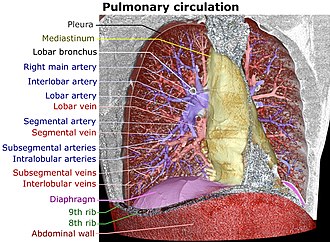
This intricate arrangement provides robust protection for the heart, lungs, and great vessels, while its inherent elasticity allows for dynamic changes in volume during respiration. The intercostal spaces house the intercostal muscles, crucial for breathing, and neurovascular bundles.
The Thorax as the Engine of Respiration
The thorax is the primary site for the mechanical process of breathing. Respiration involves two main phases: inspiration (inhalation) and expiration (exhalation). Inspiration is an active process driven by the contraction of the diaphragm and the external intercostal muscles.
The diaphragm, innervated by the phrenic nerve, flattens and descends, increasing the vertical dimension of the thoracic cavity. The external intercostals contract, lifting the ribs upwards and outwards (the 'bucket handle' and 'pump handle' movements), increasing the anteroposterior and lateral diameters. These actions expand the thoracic volume, reducing intrapleural and intrapulmonary pressure below atmospheric pressure, causing air to flow into the lungs.
Expiration is typically passive, resulting from the elastic recoil of the lungs and chest wall as the diaphragm and external intercostals relax. Forced exhalation involves the contraction of accessory muscles like the abdominal muscles and internal intercostals.
Biomechanical Contributions to Movement and Posture
Beyond its respiratory function, the thorax is a critical anchor for the musculoskeletal system, particularly the upper limbs and trunk. The shoulder girdle, comprising the clavicles and scapulae, articulates with the thorax, allowing for an extensive range of motion in the arms. The muscles of the chest (pectorals), back (latissimus dorsi, trapezius, rhomboids), and abdomen originate or insert on the thoracic cage, providing the force and stability for a myriad of movements, including pushing, pulling, lifting, and rotation.
The thoracic spine itself contributes to trunk flexibility and posture. The inherent strength and structural integrity of the thorax allow it to withstand significant forces, protecting vital organs while facilitating complex biomechanical actions necessary for daily life and athletic performance.
Clinical Significance and Pathologies
Disruptions to the thoracic structure or function can have severe consequences. Fractures of the ribs or sternum, often resulting from trauma, can lead to pain, impaired breathing, and potential injury to underlying organs (e.g., pneumothorax, hemothorax). Conditions affecting the thoracic cage, such as kyphoscoliosis, can compromise respiratory capacity.
Diseases impacting the lungs within the thorax, like pneumonia or COPD, directly affect gas exchange and can lead to respiratory distress. Furthermore, the thorax is a common site for referred pain from cardiac or esophageal issues. Understanding thoracic anatomy and physiology is therefore paramount in diagnosing and managing a wide spectrum of medical conditions.
Go deeper
Frequently Asked Questions
What is the thorax and why is it important?+
How do the ribs protect our organs?+
How does breathing happen in the thorax?+
What are the different kinds of ribs?+
What can happen if the ribs break?+
Based on content from Wikipedia · Licensed under CC BY-SA 4.0