

Thermal power station
Images

Sabarmati Thermal Power Station (STPS), Ahmedabad


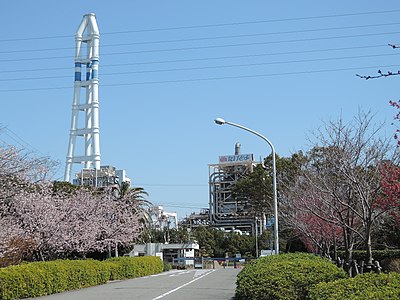


The Engine of Modern Civilization
Thermal power stations are sophisticated facilities designed to convert thermal energy, derived from various fuel sources, into electrical energy. The fundamental principle involves a thermodynamic power cycle, most commonly the Rankine cycle for steam turbines or the Brayton cycle for gas turbines. In a typical steam power plant, fuel is combusted in a boiler, generating intense heat that vaporizes water into high-pressure steam.
This steam is then directed through a turbine, causing its blades to rotate at high speeds. The mechanical energy of the rotating turbine is transferred to an electric generator, which converts this rotational motion into electrical current. The efficiency of this conversion is paramount, with advanced stations employing supercritical and ultra-supercritical parameters (higher temperatures and pressures) to maximize output and minimize fuel consumption.
Modern combined cycle plants integrate gas and steam turbines for enhanced efficiency, utilizing the hot exhaust from the gas turbine to generate steam for the steam turbine, thereby capturing more energy from the fuel.
A Century of Power
The concept of harnessing heat for power dates back to the steam engine, but the development of large-scale thermal power stations began in the late 19th and early 20th centuries. Initially, coal was the dominant fuel, powering early industrialization and urban electrification. Over time, advancements in metallurgy and engineering allowed for higher operating temperatures and pressures, leading to significant improvements in efficiency and output.
The mid-20th century saw the rise of nuclear power as a thermal source, offering a carbon-free alternative, though with its own set of challenges. The latter half of the century and the beginning of the 21st have focused on optimizing fossil fuel plants through combined cycle technology and exploring cleaner fuels like natural gas. There's also a continuous effort to retrofit or decommission older, less efficient plants, and to integrate renewable thermal sources like concentrated solar power and biomass.
The Indispensable Role in Global Energy Security
Thermal power stations form the bedrock of global electricity supply, providing approximately 70% of the world's power. Their significance lies in their ability to deliver stable, continuous, and dispatchable baseload power, which is critical for grid stability and economic activity. Unlike intermittent renewable sources that depend on weather conditions, thermal plants can operate 24/7, ensuring a consistent energy flow essential for industries, infrastructure, and daily life.
This reliability is vital for energy security, especially in regions with high energy demand or limited access to diverse energy portfolios. Furthermore, these facilities stimulate local economies through job creation in construction, operation, maintenance, and fuel supply chains, underscoring their multifaceted importance beyond just electricity generation.
Navigating Environmental Realities and Future Directions
Despite their essential role, thermal power stations, particularly those burning fossil fuels, face significant environmental scrutiny. The combustion of coal, oil, and natural gas releases greenhouse gases like carbon dioxide, contributing to climate change, and pollutants such as sulfur oxides and nitrogen oxides, which cause acid rain and respiratory problems. Technologies like Carbon Capture and Storage (CCS) are being developed to mitigate these emissions, but their widespread implementation is hindered by high costs and technical complexities.
Consequently, there is a global push towards cleaner thermal energy sources, including advanced nuclear reactors, geothermal energy, biomass, and waste-to-energy systems. The future of thermal power likely involves a transition towards these lower-emission alternatives and a greater emphasis on efficiency improvements and integrated energy systems, such as Combined Heat and Power (CHP) for district heating and industrial processes.
See also
Frequently Asked Questions
What is a thermal power station?+
How does a thermal power station make electricity?+
Why do thermal power stations use steam or gas turbines?+
When did people start building big thermal power stations?+
Are thermal power stations good for the environment?+
Based on content from Wikipedia · Licensed under CC BY-SA 4.0