

The Magic Flute
Images
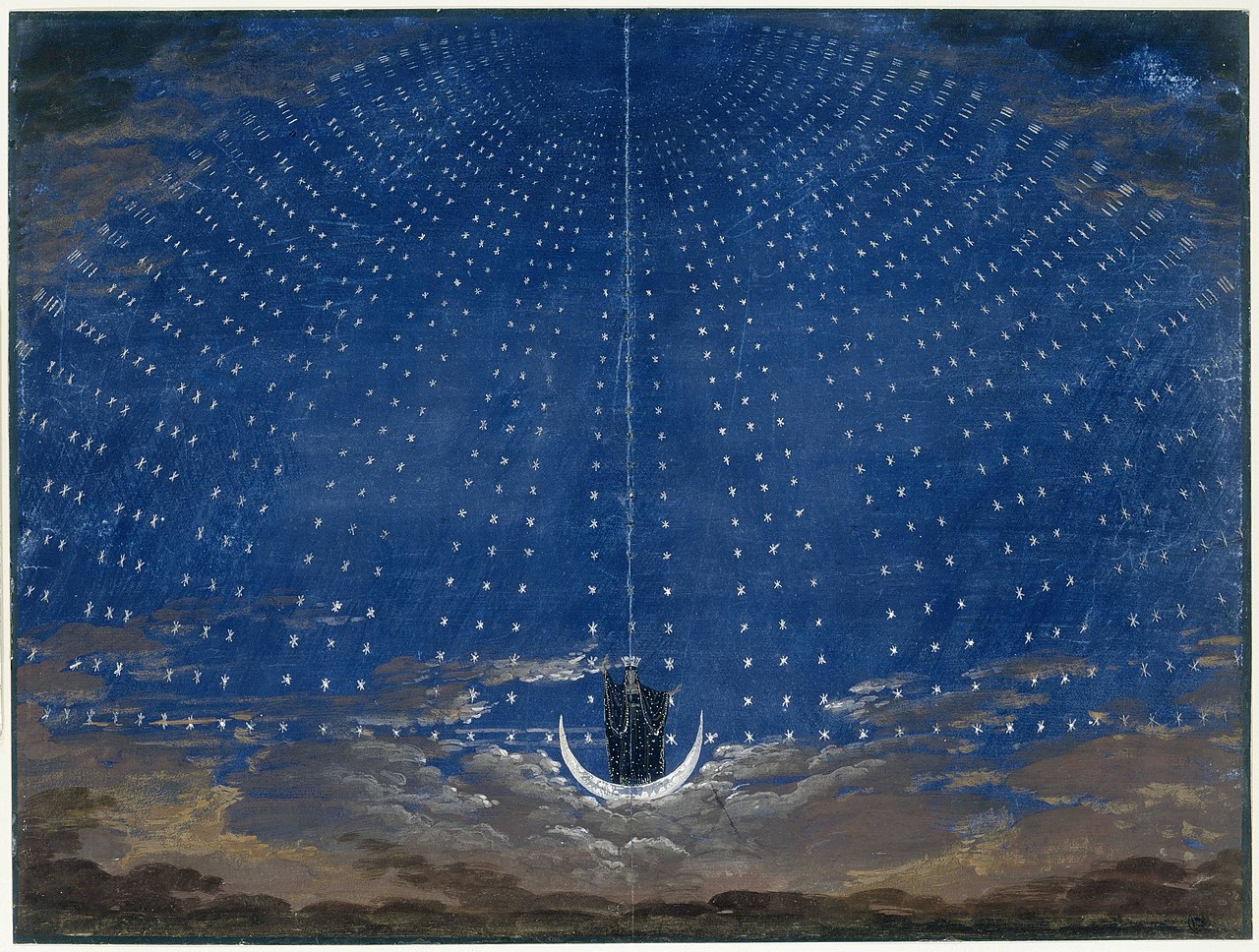
The Magic Flute
The Genesis of a Singspiel
Wolfgang Amadeus Mozart's Die Zauberflöte, or The Magic Flute, premiered on September 30, 1791, at the Theater an der Wien, just two months before his untimely death. This opera stands as a unique achievement in his oeuvre, a departure from the Italian opera seria and buffa that dominated the era. Its classification as a Singspiel, incorporating spoken dialogue alongside musical numbers, lent it a distinct theatricality and broader appeal.
The libretto, penned by Emanuel Schikaneder, a close friend of Mozart and the opera's first Papageno, draws inspiration from various sources, including Masonic rituals and Enlightenment philosophy, alongside popular fairy tale motifs. Mozart’s score is a masterful tapestry, ranging from the Queen of the Night’s stratospheric, virtuosic arias, symbolizing chaos and darkness, to the earthy, folk-inspired melodies of Papageno, representing simple human desires, and the solemn, majestic choruses of Sarastro’s priests, embodying wisdom and order.
The opera’s structure and musical language reflect its thematic duality, juxtaposing the magical and the mundane, the spiritual and the earthly.
Tamino's Ordeal
The narrative centers on Prince Tamino, who is pursued by a serpent and subsequently rescued by three ladies serving the Queen of the Night. This queen, a figure of seductive power and deceptive beauty, commissions Tamino to rescue her daughter, Pamina, from the clutches of Sarastro, the high priest of Isis and Osiris. Tamino is equipped with the titular magic flute, an instrument imbued with mystical properties capable of harmonizing discord and overcoming adversity, and is partnered with Papageno, a bird-catcher whose simple desires for food and companionship contrast with Tamino's quest for love and enlightenment.
Their journey is framed as a series of trials, ostensibly to rescue Pamina from Sarastro, but which ultimately serve as an initiation into Sarastro’s enlightened order. The initial presentation of characters and their motives is deliberately misleading, setting the stage for a profound exploration of truth versus deception.
The Flute's Resonance
The Magic Flute itself is a potent symbol within the opera, representing the transformative power of music, art, and spiritual harmony. Its ability to charm beasts and disarm enemies underscores the Enlightenment belief in the civilizing influence of culture and reason. The opera is deeply infused with Masonic symbolism and philosophy, reflecting Mozart's own membership in the fraternity.
Sarastro’s realm is depicted as a temple of wisdom, where initiates undergo trials of silence, fortitude, and wisdom, mirroring Masonic initiation rites. The emphasis on light overcoming darkness, knowledge dispelling ignorance, and the pursuit of virtue aligns directly with Masonic ideals. The Queen of the Night, conversely, embodies the forces of superstition, ignorance, and the irrational, which Sarastro’s order seeks to overcome.
The opera thus functions as a complex allegory for the human journey towards spiritual and intellectual enlightenment.
Deconstructing Deception
A central theme of The Magic Flute is the subversion of appearances and the revelation of hidden truths. The initial portrayal of the Queen of the Night as a victim and Sarastro as a villain is masterfully inverted, forcing both the characters and the audience to re-evaluate their judgments. This thematic complexity challenges simplistic notions of good and evil, suggesting that true understanding requires critical thinking and a willingness to look beyond superficial impressions.
The opera champions the values of reason, brotherhood, and the pursuit of knowledge as pathways to a more just and harmonious society. Its enduring popularity lies not only in its sublime music but also in its profound commentary on human nature, the struggle between enlightenment and ignorance, and the ultimate triumph of love and wisdom over deception and chaos, making it a timeless masterpiece of operatic art.
Go deeper
Based on content from Wikipedia · Licensed under CC BY-SA 4.0