

Terrace (earthworks)
Images
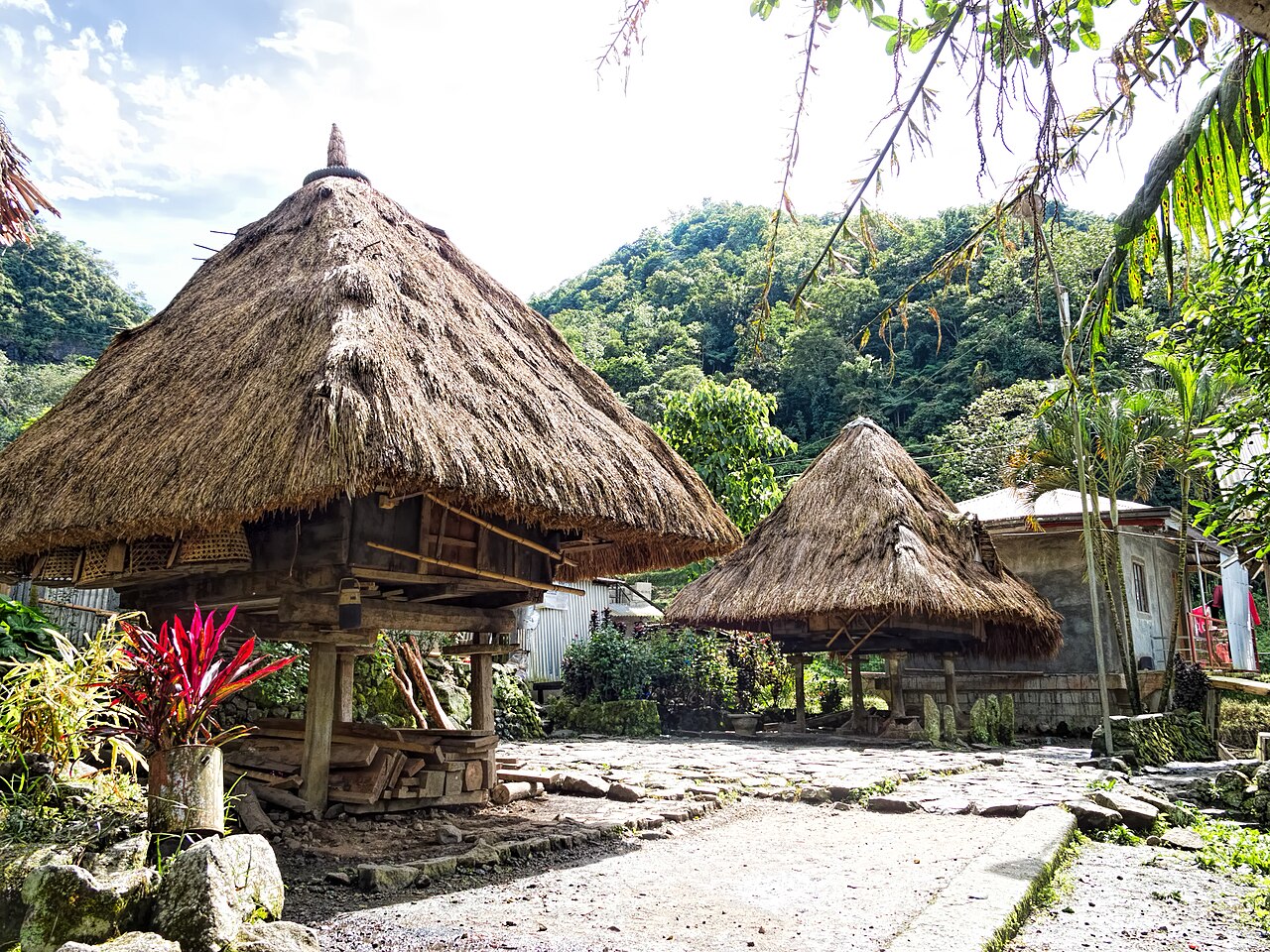
Traditional stilt houses in Bangaan of the Ifugao people


The Genesis of Gradient Management
Terracing, in its agricultural context, represents a profound manipulation of the landscape to enable cultivation on steep gradients. It involves the construction of level or near-level platforms, known as terraces, cut into hillsides and mountains. These platforms are typically arranged successively down a slope, resembling a staircase.
This earthwork is not merely about creating arable land; it is a sophisticated system designed to mitigate the inherent challenges of sloped terrain. By flattening the land, terracing allows for more efficient planting, irrigation, and harvesting, transforming otherwise unusable areas into productive agricultural zones. The primary goal is to create stable, manageable plots that can support crop growth over extended periods.
A Legacy of Ingenuity
The practice of terracing boasts a deep historical lineage, with evidence suggesting its development independently in various regions across the globe, dating back thousands of years. Ancient civilizations, facing population pressures and seeking to maximize food production, developed these intricate systems. In regions like Southeast Asia and the Andes, terracing became integral to the agricultural backbone of societies, enabling the cultivation of staple crops such as rice and maize.
The construction often involved immense labor and sophisticated understanding of hydrology and soil mechanics, passed down through generations. This historical development highlights human adaptability and the long-standing quest for sustainable land use in diverse environmental conditions.
Ecological Resilience and Agricultural Efficacy
The ecological benefits of terracing are substantial and multifaceted. Foremost among these is the dramatic reduction of soil erosion. By intercepting rainfall and slowing its velocity, terraces prevent the rapid runoff that would otherwise strip away topsoil.
This conservation of soil is crucial for maintaining land fertility and preventing desertification. Furthermore, terracing systems are highly effective in managing water resources. They capture rainwater, allowing it to infiltrate the soil or be channeled for irrigation, which is particularly vital for water-intensive crops like rice.
This controlled water management enhances crop yields and resilience, especially in areas with unpredictable rainfall patterns. The creation of microclimates on the terraces can also benefit specific crops.
Cultural Tapestry
Beyond their agricultural and environmental functions, terraces often hold profound cultural and aesthetic significance. The Rice Terraces of the Philippine Cordilleras, for instance, are a testament to the Ifugao people's ancestral heritage and their harmonious relationship with the environment. Recognized as a UNESCO World Heritage Site, these terraces are not just feats of engineering but also living cultural landscapes that embody traditional farming practices and community organization.
Similarly, terraced vineyards in regions like Europe are celebrated for their beauty and the quality of wine they produce, reflecting centuries of agricultural tradition. These landscapes often become symbols of cultural identity and are vital for local economies through tourism and traditional practices.
Modern Relevance and Future Applications
In an era increasingly concerned with food security, sustainable land management, and climate change adaptation, ancient terracing techniques are experiencing a resurgence of interest. Modern agricultural science recognizes the inherent sustainability of well-designed terraces. They offer a low-input, effective method for reclaiming degraded lands and enhancing agricultural productivity in hilly and mountainous regions.
Furthermore, the aesthetic appeal of terraced landscapes continues to be appreciated, contributing to rural tourism and the preservation of cultural heritage. Research into optimizing terrace design for contemporary farming needs, including mechanization and water conservation, ensures that this age-old practice remains relevant for future generations.
See also
Frequently Asked Questions
What is a terrace in farming?+
Why do people build terraces on hills?+
How do terraces help with water and soil?+
Where can we see famous terraces around the world?+
Are terraces still used today and why are they important?+
Based on content from Wikipedia · Licensed under CC BY-SA 4.0