

Technology: Tools That Shape Our World!
Images
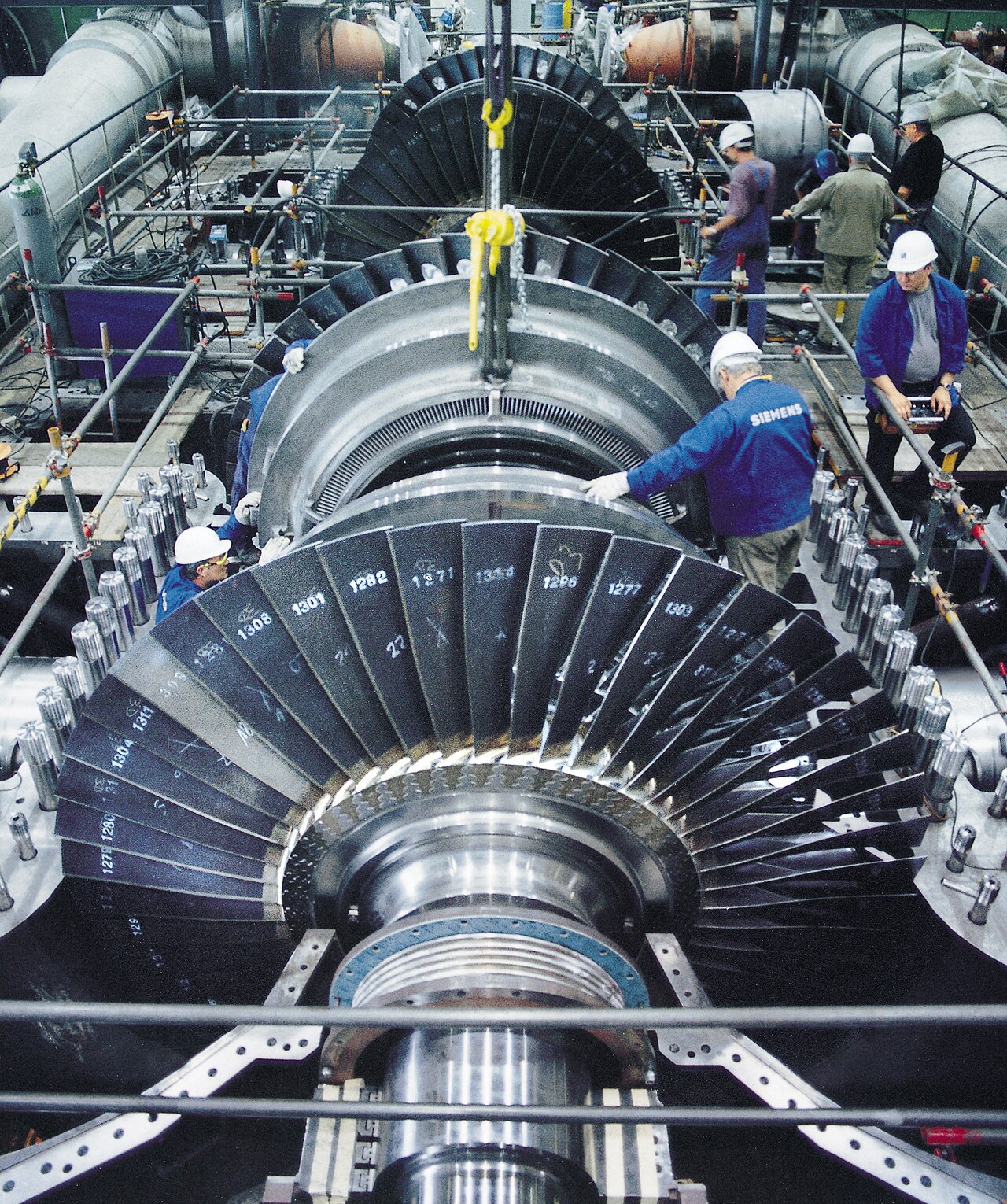
Technology


Defining Technology
Technology, at its core, represents the systematic application of knowledge, skills, methods, and processes to achieve practical goals. It is not merely the sum of devices but the underlying principles, design, and implementation that enable humans to manipulate their environment and overcome limitations. This encompasses a vast spectrum, from rudimentary tools that aided early hominids in survival to sophisticated systems like artificial intelligence and genetic engineering that are reshaping the future.
It is a dynamic, iterative process of problem-solving and innovation, constantly pushing the boundaries of what is possible and influencing every facet of human civilization.
A Continuum of Innovation
The history of technology is a narrative of continuous human ingenuity. Early technological milestones include the development of fire, agriculture, and metallurgy, which fundamentally altered human societies. The invention of the wheel, writing systems, and sophisticated architectural techniques laid the groundwork for complex civilizations.
The Renaissance and the subsequent Scientific Revolution spurred advancements in optics, mechanics, and navigation. The Industrial Revolution, powered by innovations like the steam engine and mechanization, ushered in an era of unprecedented production and urbanization. The 20th and 21st centuries have been defined by the digital revolution, marked by the invention of the transistor, the microchip, the internet, and the rapid development of computing, telecommunications, and biotechnology, leading to globalization and interconnectedness.
The Profound Impact
Technology serves as a primary driver of societal change and progress. Economically, it fuels productivity, creates new markets, and dictates global competitiveness. Socially, it transforms communication, interaction, and community structures, as evidenced by the rise of social media and remote work.
In healthcare, technological advancements have dramatically increased life expectancy and quality of life through sophisticated diagnostics, minimally invasive surgery, and novel therapeutics. Education has been revolutionized by digital learning platforms and access to vast online resources. Moreover, technology is indispensable in addressing global challenges, from developing sustainable energy solutions and mitigating climate change to advancing space exploration and understanding the universe.
Under the Hood
The functionality of technology is deeply rooted in scientific principles. Electrical and electronic technologies rely on understanding electromagnetism, quantum mechanics, and solid-state physics. Mechanical technologies are governed by classical mechanics, thermodynamics, and fluid dynamics. Information technology and computing are built upon principles of mathematics, logic, and computer science, utilizing concepts like algorithms and data structures.
Biotechnology and genetic engineering draw from molecular biology, genetics, and biochemistry. The synergy between scientific discovery and technological application is a continuous feedback loop, where scientific breakthroughs enable new technologies, and these technologies, in turn, provide tools for further scientific exploration.
The Pervasive Reach
Technology's influence is ubiquitous, permeating nearly every aspect of human endeavor. In transportation, innovations range from efficient internal combustion engines and electric vehicles to high-speed rail and aerospace. In communication, the evolution from telegraphy to fiber optics and satellite networks has created an interconnected global village.
In manufacturing, automation, robotics, and advanced materials are transforming production processes. In agriculture, precision farming and genetic modification enhance crop yields and sustainability. Even in the arts and entertainment, digital tools and platforms have redefined creative expression and consumption.
The ongoing development of artificial intelligence promises to further revolutionize fields from medicine to creative arts.
Go deeper
Frequently Asked Questions
What is technology?+
How did early tools like fire and the wheel change human life?+
Why is the digital revolution important?+
How does technology help in healthcare?+
What scientific ideas help build technology?+
Based on content from Wikipedia · Licensed under CC BY-SA 4.0