

Sugar beet
Images
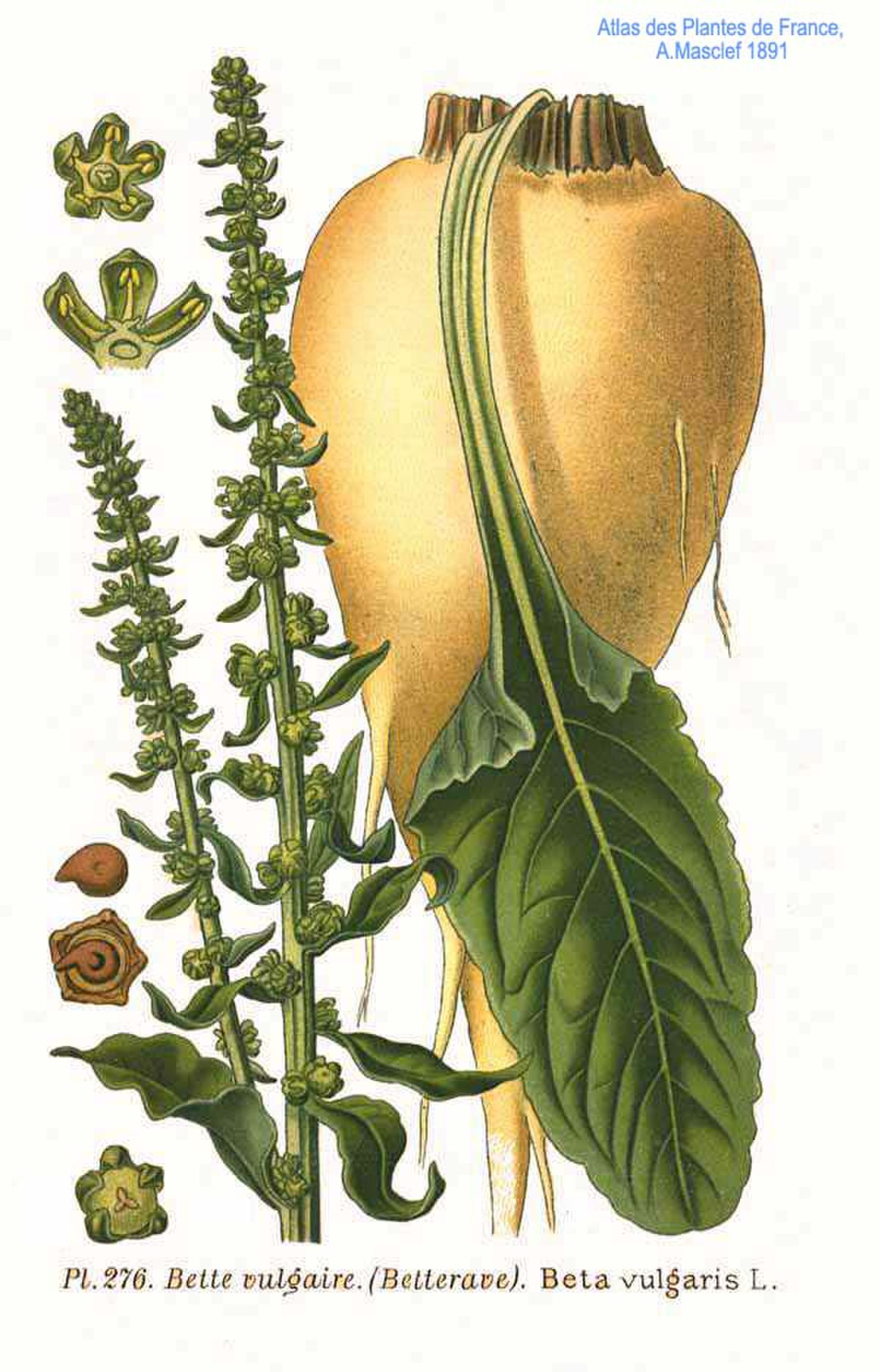
Sugar beet
The Sugar Beet's Enduring Legacy in Global Sweetener Production
The sugar beet (Beta vulgaris subsp. vulgaris (partim) altissima) stands as a testament to agricultural innovation and its profound impact on global food systems. Originating from wild beet varieties native to the Mediterranean region, its transformation into a primary sugar source is a relatively recent phenomenon, largely driven by scientific inquiry and geopolitical necessity. The identification of sucrose in sugar beets by Andreas Marggraf in 1747 and its subsequent commercial extraction by Franz Achard in the early 19th century marked a pivotal moment.
This discovery provided Europe, particularly regions with cooler climates unsuitable for sugar cane, with a viable domestic source of sugar. Napoleon Bonaparte's strategic promotion of sugar beet cultivation during the Continental System, aimed at reducing reliance on British West Indies sugar, further solidified its importance. Today, sugar beets account for roughly 20-25% of the world's sugar production, making them indispensable for meeting global demand, especially in temperate zones.
Their cultivation requires specific soil conditions and agricultural practices, contributing significantly to rural economies and agricultural research.
Historical Trajectory
The journey of the sugar beet from a common root vegetable to a strategic agricultural commodity is deeply intertwined with European history. While beets were cultivated for food and fodder for millennia, the scientific pursuit of extracting sugar began in earnest in the 18th century. Marggraf's discovery was followed by Achard's persistent efforts to develop efficient extraction methods, culminating in the establishment of the first sugar beet refinery.
The true catalyst for widespread adoption, however, was the Napoleonic Wars. The British naval blockade severely disrupted the supply of cane sugar to continental Europe, creating an urgent need for an alternative. Napoleon's decree in 1811 mandating the cultivation of sugar beets and the establishment of numerous refineries transformed the crop's status. This period not only spurred agricultural development but also fostered advancements in sugar processing technology.
Post-war, the sugar beet industry continued to grow, supported by protective tariffs and ongoing research into breeding higher-yield, higher-sugar varieties, cementing its role as a staple crop in European agriculture and a key player in international trade dynamics.
Beyond Sweetness
The significance of the sugar beet transcends its role as a sweetener; it is a versatile feedstock with substantial implications for renewable energy and industrial processes. The high sugar content makes it an ideal substrate for fermentation, yielding ethanol. This biofuel is increasingly vital in the global effort to reduce dependence on fossil fuels and mitigate climate change.
Sugar beet-derived ethanol is a key component of many national biofuel mandates, contributing to energy security and offering a more sustainable alternative for transportation. Furthermore, the byproducts of sugar beet processing are valuable resources. Molasses, a viscous syrup left after sugar crystallization, is used in animal feed, as a fermentation substrate for other products like yeast, or even as a soil conditioner. The pulp remaining after sugar extraction is also a highly nutritious feed for livestock.
This comprehensive utilization of the beet minimizes waste and maximizes its economic and environmental value, underscoring its importance as a sustainable agricultural resource.
The Science of Sweetness
The industrial process of extracting sugar from beets is a sophisticated application of chemical engineering and agricultural science. Post-harvest, beets are thoroughly washed and then sliced into thin, ribbon-like pieces known as cossettes. These cossettes undergo diffusion, where they are steeped in hot water to leach out the sucrose.
This process yields a raw sugar juice, which is then subjected to a series of purification steps, including carbonation and filtration, to remove non-sugar impurities like proteins, salts, and organic acids. The purified juice is then concentrated through evaporation, creating a supersaturated solution. Controlled cooling and seeding with sugar crystals induce crystallization, forming the final sugar product.
For biofuel production, the fermentation process is paramount. The sugar-rich juice or molasses is inoculated with yeast, which converts the sugars into ethanol and carbon dioxide. This ethanol is then distilled and purified to meet fuel standards.
The efficiency of both sugar extraction and ethanol production is continually enhanced through ongoing research in plant genetics, agricultural practices, and processing technologies.
Go deeper
Based on content from Wikipedia · Licensed under CC BY-SA 4.0