

Subtropics
Images

subtropical


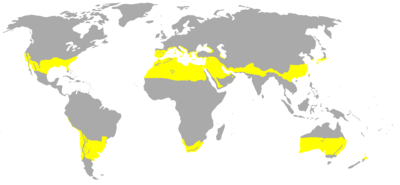


Defining the Subtropical Realm
The subtropical zones represent a critical transitional band on Earth's surface, situated immediately north and south of the tropics. Geographically, they are considered part of the temperate zones, spanning latitudes from approximately 23°26′09.3″ (the Tropic of Cancer and Tropic of Capricorn) to around 35° to 40° north and south. This latitudinal range places them under the influence of shifting atmospheric circulation patterns, most notably the semi-permanent subtropical anticyclones.
These high-pressure systems are a defining feature, often leading to stable, dry conditions inland and on the western sides of continents. The subtropics are not a monolithic climate type but rather a spectrum, characterized by hot summers and mild winters with infrequent frost, serving as a buffer between the consistently hot tropics and the more variable temperate regions.
The Dichotomy of Subtropical Climates
Within the broad definition of subtropics, two primary climate classifications, according to the Köppen system, dominate: humid subtropical (Cfa/Cwa) and dry summer subtropical, commonly known as Mediterranean climate (Csa/Csb). Humid subtropical climates, prevalent in regions like the southeastern United States and eastern China, experience hot, humid summers with significant rainfall, often concentrated during the warmest months. These areas are also susceptible to tropical cyclones.
Conversely, Mediterranean climates, found along the Mediterranean Sea and in places like California and southwestern Australia, are defined by their distinct seasonal rainfall pattern: wet, mild winters and hot, dry summers. This difference is largely dictated by proximity to oceans and prevailing wind patterns, profoundly impacting vegetation, water resources, and human settlement.
Geographic Drivers and Desert Formation
The prevalence of deserts within the subtropical latitudes is a direct consequence of global atmospheric circulation. The descending air in the subtropical anticyclones creates stable, dry conditions. These high-pressure belts are typically located over the oceans and shift poleward in summer and equatorward in winter.
Inland and on the western sides of continents, where these dry air masses persist, vast deserts like the Sahara, Arabian, and Australian deserts form. In contrast, the eastern sides of continents within the subtropics often border warm ocean currents. This proximity, combined with onshore winds, leads to increased moisture, resulting in the humid subtropical climates with abundant rainfall, particularly during the summer months when convective activity and tropical storms contribute significantly to precipitation totals.
Ecological and Economic Significance
Subtropical regions are vital hubs for global biodiversity and agriculture. They host a remarkable array of ecosystems, from arid deserts and scrublands to lush forests and fertile coastal plains. This climatic diversity supports a wide variety of plant life, including iconic species like palms, citrus trees, mangoes, pistachios, lychees, and avocados, many of which are commercially significant crops.
These regions are major food-producing areas, contributing substantially to global food security. Furthermore, many of the world's most populous urban centers are situated within subtropical zones, highlighting their importance for human habitation and economic activity. Understanding the dynamics of subtropical climates is therefore essential for addressing challenges related to water management, agricultural sustainability, and climate change adaptation.
Subtropics in a Changing World
As the planet warms, subtropical regions are facing significant changes. Increased temperatures can exacerbate drought conditions in already arid areas and intensify heatwaves in humid zones. Changes in precipitation patterns, including more extreme rainfall events and prolonged droughts, pose challenges for agriculture and water resources.
The poleward expansion of subtropical high-pressure systems may also influence weather patterns in regions previously considered temperate. For instance, shifts in the jet stream can alter storm tracks and temperature regimes. The future of subtropical agriculture, biodiversity, and human settlements hinges on our ability to understand and adapt to these evolving climatic conditions, making research and policy in these zones critically important for global resilience.
See also
Frequently Asked Questions
What are the subtropics and where are they located?+
Why do subtropical deserts like the Sahara form?+
What kinds of climates are found in the subtropics?+
How do subtropical climates help grow fruits like mangoes and avocados?+
Why are many big cities in the subtropics?+
Based on content from Wikipedia · Licensed under CC BY-SA 4.0