

Submachine gun
Images

PP-2000 submachine gun with Zenit-4TK laser sight and tactical light




Defining the Submachine Gun
The submachine gun (SMG) occupies a distinct category within firearms, characterized by its ability to deliver automatic fire using handgun cartridges. This design choice differentiates it significantly from machine guns, which are typically chambered for more powerful rifle cartridges and designed for sustained, heavy suppressive fire. The term 'submachine gun' itself, coined by John T.
Thompson, highlights this distinction, implying a 'subordinate' or less powerful machine gun. This classification is crucial; while both are automatic weapons, their ammunition, range, and intended roles differ. SMGs are essentially automatic carbines, offering a high volume of fire in a relatively compact and manageable package.
Their effectiveness shines in close-quarters combat (CQC), urban warfare, and situations where maneuverability and rapid engagement are paramount. The use of handgun ammunition also means lower recoil compared to rifle cartridges, allowing for more controllable automatic fire.
The Mechanics of Rapid Engagement
At its core, the submachine gun operates on the principle of automatic fire, leveraging a blowback or gas-operated system to cycle rounds. When the trigger is depressed, a firing pin strikes a primer, igniting the propellant in the handgun cartridge. The resulting explosion drives the bullet down the barrel and simultaneously forces the spent casing backward.
This rearward force, often amplified by the weight of the bolt or slide, unlocks the action and ejects the spent casing. The recoil spring then pushes the bolt forward, stripping a fresh cartridge from the magazine and chambering it, ready for the next shot. This rapid cycling allows for a high rate of fire, often exceeding 700-1000 rounds per minute.
The magazine, typically a box or drum, is a critical component, providing a readily available supply of ammunition that can be quickly replaced, ensuring sustained firepower during engagements.
From Trench Warfare to Modern Special Operations
The genesis of the submachine gun is inextricably linked to the brutal realities of World War I trench warfare. Soldiers needed a weapon capable of delivering rapid, close-range firepower to clear enemy positions and defend against assaults. The SMG filled this niche perfectly.
Its impact was profound, transforming infantry tactics. During World War II, SMGs became ubiquitous, with millions produced for assault troops, paratroopers, and support personnel whose doctrines emphasized aggressive, close-quarters combat. The Cold War saw continued development, with SMGs favored by special forces, commandos, and airborne units for their concealability and effectiveness in confined spaces.
While the rise of assault rifles and the changing nature of warfare led to a decline in SMG usage for frontline combat by the late 20th century, they remain relevant for specialized roles, law enforcement, and as historical artifacts of military innovation.
Inventors, Innovations, and the 'Tommy Gun' Legacy
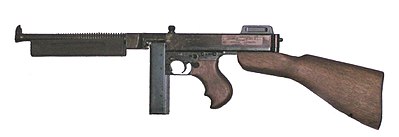
The conceptualization and popularization of the submachine gun are largely credited to John T. Thompson. His eponymous Thompson submachine gun, often nicknamed the 'Tommy Gun,' became an icon of the era.
Thompson's genius lay not just in designing a functional automatic weapon, but in articulating its purpose as a 'sub' machine gun, distinct from the heavier, rifle-caliber weapons. This clear definition helped establish the category. Early designs, like the German MP 18, also played a pivotal role in demonstrating the tactical advantages of automatic handgun-caliber weapons.
Throughout the 20th century, numerous designers and nations contributed to SMG evolution, focusing on improving reliability, reducing size and weight, and enhancing ergonomics. This continuous innovation solidified the submachine gun's place in military history.
See also
Frequently Asked Questions
What is a submachine gun?+
How does a submachine gun fire automatically?+
Why do submachine guns use handgun ammunition?+
When were submachine guns first used in war?+
Who invented the submachine gun?+
Based on content from Wikipedia · Licensed under CC BY-SA 4.0