

Stream Restoration: Giving Rivers a Helping Hand!
Images
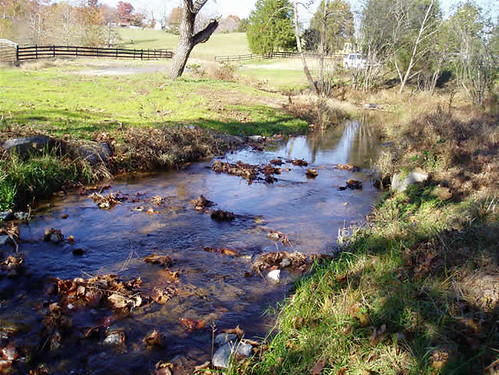
Beaver Run Stream Restoration Project Cross-vane Structure


The Fluvial System
Fluvial systems, encompassing streams and rivers, are dynamic environments shaped by the interplay of water flow, sediment transport, and geomorphology. Natural streams exhibit complex patterns of meanders, riffles, pools, and runs, each serving critical ecological functions. Meanders, for instance, create varied flow velocities and substrate types, fostering diverse aquatic habitats.
Riffles provide oxygenation and are crucial for the life cycles of many invertebrates, while pools offer refuge and support larger fish species. The riparian zone, the vegetated area alongside the stream, plays a vital role in stabilizing banks, filtering runoff, moderating water temperature, and providing terrestrial habitat. Understanding these natural processes is the foundational step in any effective stream restoration effort, as it provides a blueprint for what a healthy, functioning stream should look like and how it operates.
Anthropogenic Impacts
Human activities have profoundly altered natural stream systems worldwide. Channelization, the straightening and deepening of rivers for navigation or flood control, eliminates habitat complexity and increases flow velocity, leading to erosion and downstream sedimentation. Dam construction fundamentally changes flow regimes, blocks migratory pathways for fish, and traps sediment, impacting downstream ecosystems. Deforestation and urbanization in watersheds increase surface runoff, leading to higher peak flows, greater erosion, and increased delivery of pollutants such as nutrients, pesticides, and heavy metals.
These alterations disrupt natural ecological processes, leading to a decline in biodiversity, reduced water quality, and diminished ecosystem services, transforming vibrant aquatic environments into degraded channels.
Principles and Methodologies in Stream Restoration
Stream restoration is an applied science that employs ecological engineering principles to repair damaged fluvial systems. The overarching goal is to re-establish natural geomorphic and ecological processes. Key methodologies include: Re-establishing meanders to reduce stream gradient, slow flow, and create habitat diversity; adding instream structures like logjams and boulder clusters to provide hydraulic complexity, habitat, and improve sediment sorting; stabilizing and revegetating riparian zones with native plants to control erosion, improve water quality, and enhance habitat; and removing or modifying barriers such as outdated dams or culverts to restore connectivity for aquatic organisms and natural sediment transport.
Restoration projects often involve extensive site assessment, design, implementation, and long-term monitoring to evaluate success and adapt strategies as needed.
Ecological and Societal Returns on Investment
The benefits of successful stream restoration extend far beyond the immediate stream channel. Ecologically, these projects can lead to significant increases in biodiversity, supporting populations of fish, invertebrates, amphibians, and birds. Improved water quality benefits downstream aquatic ecosystems and can enhance sources of drinking water.
Restored streams can also play a crucial role in flood mitigation by increasing the capacity of the floodplain and reducing peak flows. Societally, restored streams enhance recreational opportunities, such as fishing, kayaking, and wildlife viewing, contributing to local economies. They also provide invaluable educational and research platforms, fostering a greater understanding and appreciation of natural systems and the importance of environmental stewardship.
Challenges and Future Directions in Restoration
Despite the successes, stream restoration faces ongoing challenges. Predicting long-term success can be difficult due to complex environmental interactions and the potential for future land-use changes. Funding for monitoring and adaptive management is often insufficient, hindering the ability to learn from projects and refine techniques.
Furthermore, scaling up restoration efforts to address widespread degradation requires innovative approaches and strong policy support. Future directions include a greater emphasis on watershed-scale restoration, integrating climate change resilience into designs, utilizing advanced monitoring technologies, and fostering stronger collaboration between scientists, engineers, policymakers, and local communities to ensure the long-term health and vitality of our vital waterways.
See also
Frequently Asked Questions
What is stream restoration and why do we need it?+
How do meanders help rivers?+
What are riffles and pools and why are they important?+
How do plants along the river help?+
What happens when we build dams or straighten rivers?+
Based on content from Wikipedia · Licensed under CC BY-SA 4.0