

Stove
Images
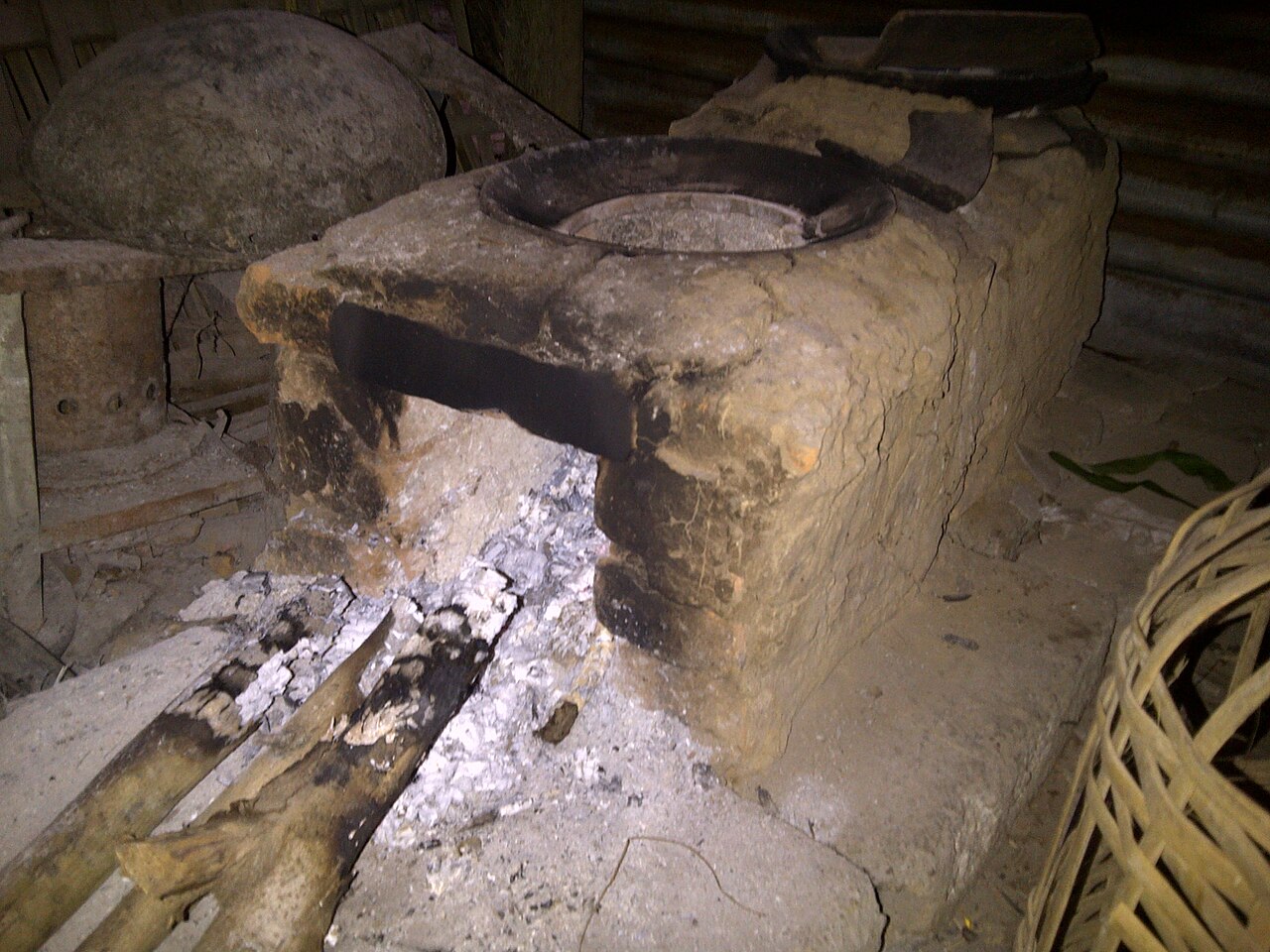
Stove
The Genesis of Controlled Combustion
The human relationship with fire for cooking predates recorded history, originating with open hearths and campfires. These methods offered rudimentary heat but lacked control, leading to inefficient cooking and significant fire hazards. The development of enclosed stoves, particularly during the 18th and 19th centuries, marked a pivotal technological leap.
Early cast-iron stoves, like the Franklin stove (though primarily a heater) and later models like the "kitchener," concentrated heat, improved fuel efficiency, and enhanced safety. These were often fueled by wood or coal, requiring considerable labor for fuel procurement and ash removal. The transition to these enclosed systems not only revolutionized cooking but also began to define the kitchen as a distinct functional space within the home, moving away from the multi-purpose living areas of earlier eras.
This shift laid the groundwork for the modern understanding of domestic technology.
The Science of Searing and Simmering
Modern stoves primarily operate on two distinct energy principles: gas combustion and electric resistance heating. Gas stoves utilize natural gas or propane, a fossil fuel. When a burner knob is turned, a valve regulates the flow of gas to the burner assembly, where it mixes with air and is ignited by a spark igniter or a standing pilot light.
The resulting flame provides direct radiant and convective heat to cookware. Electric stoves employ different mechanisms. Traditional coil elements consist of a resistive wire (often Nichrome) encased in a protective sheath, which heats up due to electrical resistance.
Smoother ceramic or glass cooktops conceal heating elements (radiant or halogen) beneath the surface, providing a more even heat distribution and easier cleaning. Induction cooktops represent a further evolution, using electromagnetic fields to directly heat ferromagnetic cookware, offering rapid heating and precise temperature control with high energy efficiency, though requiring specific types of pots and pans.
The Indispensable Appliance
The stove's role extends far beyond mere food preparation; it is a cornerstone of public health and societal development. By enabling efficient cooking, stoves render food safer by killing pathogens, thus reducing the incidence of foodborne illnesses. This capability has been instrumental in increasing human lifespan and improving overall health outcomes.
Furthermore, the time and labor saved through efficient cooking have had profound impacts on domestic economies and social structures, historically freeing up time for education, leisure, and participation in the workforce, particularly for women. The ability to reliably cook a variety of foods also broadens dietary options, contributing to better nutrition and cultural diversity in cuisine. The stove, therefore, is not just a kitchen appliance but a critical piece of infrastructure supporting human well-being.
Technological Trajectories
The trajectory of stove development reflects a continuous pursuit of efficiency, convenience, and advanced functionality. Early innovations focused on fuel conservation and improved heat management. The 20th century saw the widespread adoption of gas and electric stoves, driven by urbanization and the availability of utility infrastructure.
The late 20th and early 21st centuries have witnessed the integration of sophisticated electronics and smart technology. Features such as digital temperature controls, programmable cooking cycles, self-cleaning ovens, and even Wi-Fi connectivity allowing remote operation and monitoring are becoming increasingly common. Energy efficiency remains a key driver, with advancements in insulation, heating element design, and the rise of induction technology.
These innovations continue to redefine the kitchen experience, making cooking more accessible, precise, and integrated with the broader digital landscape.
Stove Typologies and Their Functional Niches
Stoves are broadly categorized by their primary energy source and configuration. Freestanding ranges, the most common type, combine a cooktop and oven in a single unit, offering versatility and ease of installation. Built-in cooktops and wall ovens provide greater design flexibility, allowing for custom kitchen layouts.
Professional-style ranges often feature powerful burners and robust construction for demanding culinary tasks. Specialty appliances like the Dutch oven, while not a full stove, represent a portable, versatile cooking vessel that leverages stovetop heat. Each type serves specific needs, from basic meal preparation in compact living spaces to advanced culinary arts in professional kitchens, demonstrating the diverse applications of controlled heat technology in modern life.
Go deeper
Frequently Asked Questions
What is a stove?+
How does a gas stove work?+
Why are electric stoves safer than old open fires?+
How do induction cooktops heat food?+
Why are stoves important for health and society?+
Based on content from Wikipedia · Licensed under CC BY-SA 4.0