

Stevia
Images

Stevia rebaudiana flowers


Botanical Heritage and Indigenous Use
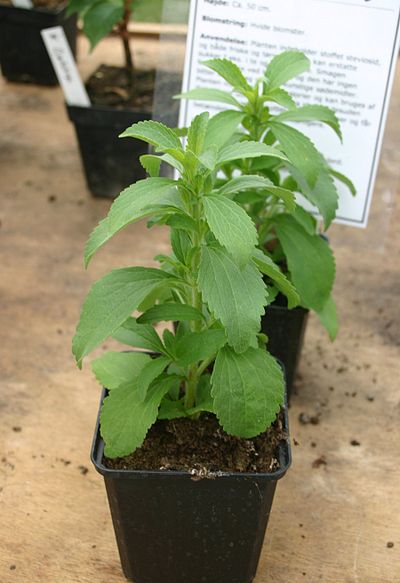
The story of stevia begins with Stevia rebaudiana, a herbaceous perennial plant native to the subtropical regions of South America, specifically the border areas of Paraguay and Brazil. For centuries, this plant was a closely guarded secret of the indigenous Guaraní people, who revered its leaves for their intense sweetness. They referred to it as 'ka'a he'ê,' translating to 'sweet herb,' and incorporated it into their daily lives by sweetening teas and medicinal preparations, and even consuming the leaves directly as a confection.
This long history of traditional use underscores the plant's natural efficacy and safety profile within these communities, long before its introduction to Western markets. The genus Stevia itself was named in honor of Pedro Jaime Esteve, a Spanish botanist, highlighting the scientific interest that eventually followed its discovery by European explorers.
The Chemistry of Intense Sweetness
The remarkable sweetness of stevia is attributed to a group of complex molecules known as steviol glycosides. The most abundant and significant of these are stevioside and rebaudioside A (Reb A). These compounds are structurally similar to sugars but possess a vastly different metabolic fate in the human body.
Unlike sucrose, steviol glycosides are not readily absorbed or metabolized in the upper gastrointestinal tract. Instead, they pass through to the large intestine, where gut bacteria hydrolyze them into steviol. Steviol is then absorbed and excreted, meaning the glycosides themselves do not contribute calories.
This zero-calorie property is a primary driver of stevia's popularity as a sugar substitute, offering a way to reduce caloric intake without sacrificing sweetness.
Functional Properties and Sensory Characteristics
Beyond its sweetness, stevia offers several functional advantages that make it attractive for food and beverage applications. Its exceptional heat stability allows it to be used in baked goods and other high-temperature processing without degradation of its sweetening power. Similarly, its stability across a wide pH range makes it suitable for acidic products like carbonated beverages and fruit juices.
Stevia is also non-fermentable, which contributes to product shelf-life. However, the sensory experience of stevia differs from sugar. The onset of sweetness is typically slower, and its duration is longer.
At higher concentrations, certain steviol glycosides can impart an aftertaste described as licorice-like or slightly bitter, a characteristic that formulators often manage through blending with other sweeteners or flavor enhancers.
Global Regulatory Landscape and Market Integration
The acceptance and integration of stevia into global food supplies have followed a varied regulatory path. While widely used in Japan for decades, where it was adopted as a sweetener in the 1970s, its approval in Western markets took longer. The European Union authorized steviol glycosides as food additives in 2011, marking a significant milestone.
In the United States, the Food and Drug Administration (FDA) has classified certain high-purity steviol glycoside extracts as Generally Recognized As Safe (GRAS), permitting their use in food products. However, whole stevia leaf and crude extracts are not approved for use as food additives in the U.S., reflecting a distinction between purified compounds and less refined forms. This evolving regulatory environment continues to shape stevia's role in the food industry, driven by consumer demand for healthier, natural sweeteners.
See also
Frequently Asked Questions
What is stevia?+
Where does stevia grow?+
Why is stevia a healthy sweetener?+
Can stevia be used in baking?+
Does stevia have any aftertaste?+
Based on content from Wikipedia · Licensed under CC BY-SA 4.0