

Australia's Awesome Places: States and Territories!
Images
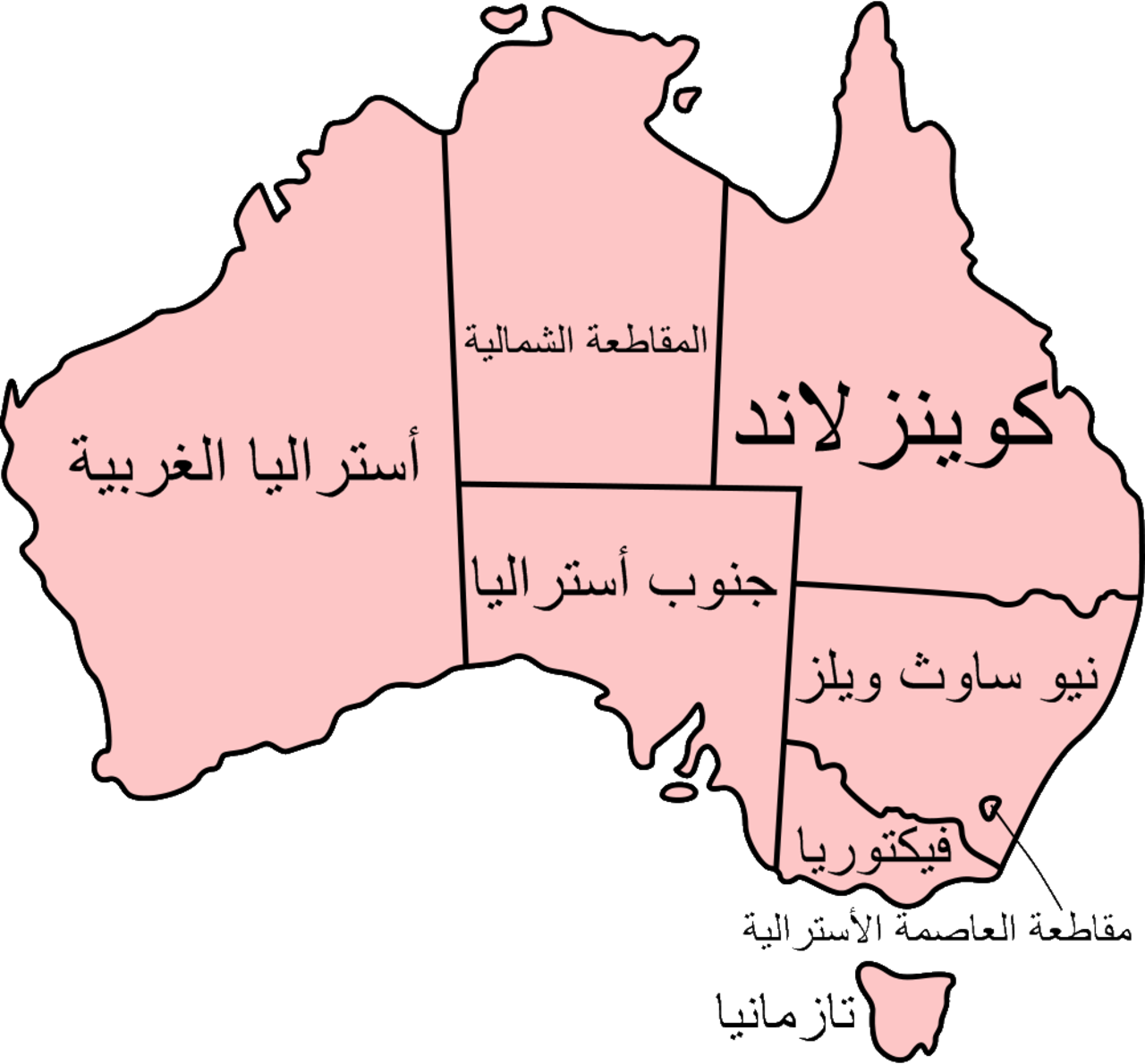
States and Territories of Australia - AR






Geographical Diversity and Regional Identity
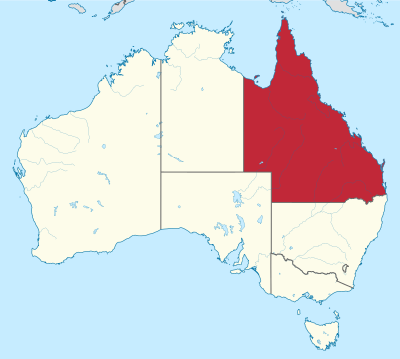
Australia's vast landmass is divided into six states and ten territories, each possessing distinct geographical characteristics that foster unique regional identities. Western Australia, the largest state by area, spans diverse climates from arid deserts to Mediterranean coastlines, influencing its economy and population distribution. Queensland's tropical north contrasts sharply with its subtropical south, supporting distinct ecosystems and industries. Tasmania, an island state, is renowned for its temperate climate, lush forests, and mountainous terrain, setting it apart from the mainland.
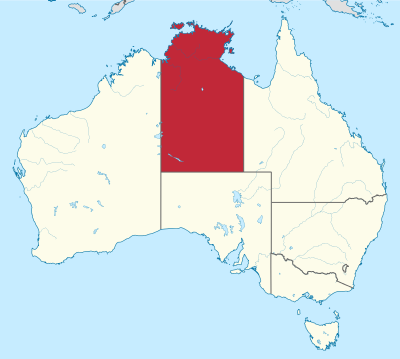
The internal territories, including the Australian Capital Territory (ACT) and the Northern Territory (NT), also have specific geographical roles; the ACT is a planned federal district, while the NT encompasses vast, sparsely populated areas of the Outback. External territories, scattered across the Pacific and Indian Oceans, range from small coral atolls to the vast Australian Antarctic Territory, each presenting unique environmental and logistical challenges.
This geographical mosaic underpins the varied economic activities, cultural practices, and political priorities across the nation.
Evolution of Governance
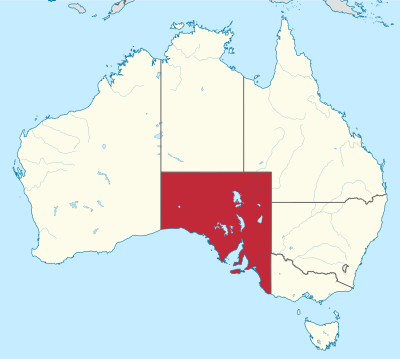
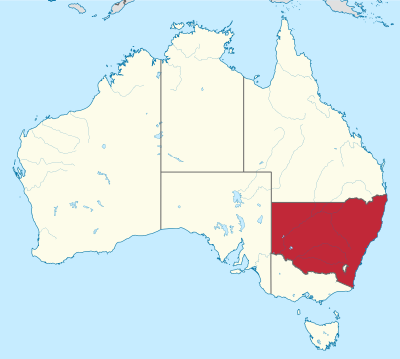
The current structure of Australian states and territories is a product of historical evolution, primarily stemming from British colonization. The six states-New South Wales, Queensland, South Australia, Tasmania, Victoria, and Western Australia-originated as distinct British Crown colonies, each with its own administration and legal framework. Their amalgamation into the Commonwealth of Australia in 1901 was a process of federation, where states retained significant powers while ceding others to the new federal government.
The territories, conversely, have a more complex developmental trajectory. Some, like the Northern Territory, were initially administered by South Australia before being transferred to federal control. Others, such as the Australian Capital Territory, were specifically created by the federal government to house the national capital.
External territories were acquired or established at various times for strategic, scientific, or administrative purposes. This historical layering has resulted in a nuanced system where states possess a higher degree of constitutional autonomy than territories, which remain legally subordinate to the federal parliament.
Socio-Cultural Fabric
The states and territories of Australia are home to a dynamic and multicultural population, a testament to its history of immigration and Indigenous heritage. While English serves as the de facto national language, Australia is linguistically diverse, with hundreds of languages spoken, reflecting its global connections. Each state and territory contributes to a unique socio-cultural tapestry.
New South Wales, with Sydney as its cosmopolitan hub, often leads in cultural trends and international influence. Victoria, particularly Melbourne, is celebrated for its vibrant arts, music, and culinary scenes. The Northern Territory holds deep cultural significance for Indigenous Australians, preserving ancient traditions and languages.
Western Australia, geographically isolated, has developed a distinct identity shaped by its resource-based economy and proximity to Asia. This regional diversity, while fostering strong local identities, also contributes to a complex and evolving Australian national identity, characterized by a blend of shared values and distinct regional expressions.
Economic Engines
The economic landscape of Australia is intrinsically linked to its states and territories, each specializing in different industries that contribute to the nation's overall prosperity. Western Australia is a global powerhouse in mining, particularly iron ore and natural gas, driving significant export revenue. Queensland's economy is diverse, encompassing agriculture, tourism, and mining.
New South Wales remains the nation's financial and commercial center, with strong service sectors. Victoria excels in manufacturing, technology, and education. Tasmania's economy relies on agriculture, aquaculture, and tourism, while the Northern Territory is known for its mining, tourism, and defense industries.
The federal government plays a crucial role in coordinating national economic policy, while state and territory governments focus on regional development, infrastructure, and attracting investment. External territories often have specialized economies, such as tourism on Christmas Island or scientific research in the Australian Antarctic Territory.
Federalism in Practice
Australia's governmental system is a federal democracy where power is constitutionally divided between the Commonwealth (federal) government and the state governments. States possess significant legislative and executive powers, including their own constitutions, parliaments, and judiciaries, operating largely autonomously within their spheres of influence, though subject to federal constitutional limitations and the High Court's ultimate authority. Territories, however, occupy a different legal and political status.
While internal territories like the ACT and NT function with a high degree of self-governance, mirroring states in many respects, they are legally subordinate to the federal parliament, which can override territorial legislation. This distinction reflects their historical development and the federal government's ultimate responsibility for their governance. External territories are generally administered by federal departments or, in some cases, by a state or internal territory, further highlighting the hierarchy of governance within the Australian political landscape.
Education and Research
Education and research are critical components of Australia's development, managed collaboratively across states, territories, and the federal government. Each state and territory operates its own education system, setting curricula, standards, and funding models for primary and secondary schooling, ensuring a baseline of educational opportunity nationwide. Higher education is a shared responsibility, with federal funding playing a dominant role in universities, while states often contribute to infrastructure and vocational training.
The Australian Capital Territory, as the seat of national government, hosts numerous federal research institutions and policy think tanks, fostering a strong research environment. Furthermore, states and territories actively promote specialized educational and research initiatives aligned with their regional economic strengths, such as agricultural research in rural areas or marine science in coastal regions. This multi-layered approach aims to cultivate a skilled workforce and drive innovation across the continent.
See also
Frequently Asked Questions
What are the states and territories of Australia?+
Which state is the biggest?+
Where is the capital of Australia?+
What makes Tasmania different from other states?+
Why are there many languages in Australia?+
Based on content from Wikipedia · Licensed under CC BY-SA 4.0