

Spiders of New Zealand
Images

So Many Different Colors


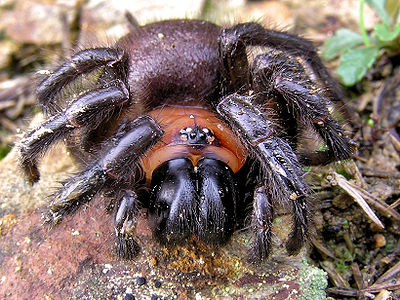
![Giant Spider [Explore]](https://live.staticflickr.com/7213/7181000886_b4515f9afe_n.jpg)




Island Biogeography and Endemism
New Zealand's geographical isolation has fostered an extraordinary level of biodiversity, particularly evident in its spider populations. With an estimated 2,000 species, over 1,100 of which have been scientifically described, the islands boast a remarkable array of arachnids. The defining characteristic of this fauna is its high endemism, with over 90% of species found nowhere else on Earth.
This isolation has allowed unique evolutionary pathways to develop, resulting in specialized adaptations and lineages. The arrival of spiders to these remote islands is a testament to natural dispersal mechanisms, such as 'ballooning,' where spiderlings utilize silk threads to catch air currents and travel vast distances across oceans. This natural colonization, coupled with the long periods of isolation, has sculpted a distinct and irreplaceable spider community.
Notable Species
Among New Zealand's native spiders, the Nelson cave spider (Spelungula cavernicola) stands out for its impressive size. Possessing a leg span of up to 13 centimeters and a body length of 3 centimeters, it is the largest spider in the country. This species is a troglobite, meaning it lives exclusively in caves, showcasing a remarkable adaptation to subterranean environments.
In contrast, the flat huntsman spider (Delena cancerides), known locally as the Avondale spider, represents a significant introduced species. Accidentally transported from Australia, likely in the early 1920s via shipments of hardwood logs used for railway sleepers, this large, fast-moving spider has become established. Despite its imposing appearance, it is considered harmless to humans and has even found a niche in popular culture, appearing in films.
Venomous Encounters
While the vast majority of New Zealand spiders pose no threat to human health, a few warrant specific attention. The endemic katipō spider is the country's most medically significant native venomous spider. Its bite can induce systemic effects, including hypertension, seizures, and, in rare severe cases, coma.
However, it is crucial to note that no fatalities have been recorded from katipō bites for over two centuries, a testament to improved medical understanding and treatment protocols. More concerning from a public health perspective is the presence of the Australian redback spider, a highly venomous relative of the katipō, which has successfully established populations in certain regions, notably Taranaki and Central Otago. The Australian white-tailed spider, first recorded in 1886, has also been a subject of public concern, though often falsely attributed as the cause of necrotising injuries.
Ecological Roles and Conservation Implications
Spiders are integral components of New Zealand's ecosystems, fulfilling critical roles as predators. By preying on a wide range of invertebrates, including numerous insect species, they exert significant top-down control on populations, thereby acting as natural pest management agents. This ecological service is invaluable, contributing to the balance of agricultural and natural environments.
The high degree of endemism among New Zealand spiders underscores the unique evolutionary history of the islands and highlights the importance of conservation efforts. The introduction of non-native species, such as the redback spider, poses a potential threat to native biodiversity and ecosystem function, necessitating ongoing monitoring and management strategies. Studying these arachnids provides insights into island biogeography, evolutionary processes, and the complex interdependencies within ecological communities.
See also
Frequently Asked Questions
Why are there so many different spiders in New Zealand?+
How do spider babies travel across the ocean to New Zealand?+
What is the biggest spider that lives in New Zealand?+
Are the spiders in New Zealand dangerous to people?+
Why do spiders matter for farms and gardens in New Zealand?+
Based on content from Wikipedia · Licensed under CC BY-SA 4.0