

Somatic Nervous System
Images

The directional differentiation of neural stem cells from different sources



Neural Pathways
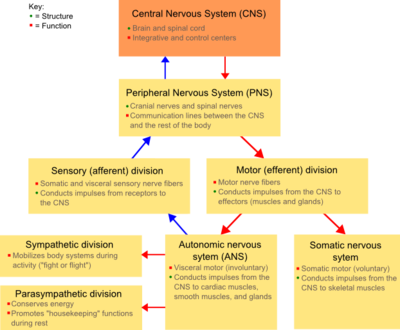
The somatic nervous system (SNS) is a sophisticated division of the peripheral nervous system (PNS) that serves as the primary conduit for voluntary motor commands and conscious sensory perception. It forms a critical link between the central nervous system (CNS)-the brain and spinal cord-and the body's skeletal muscles and sensory receptors. This system is characterized by its efferent pathways, which transmit motor signals from the CNS to skeletal muscles, initiating voluntary movements.
Conversely, afferent pathways carry sensory information from specialized receptors in the skin, muscles, and joints back to the CNS. These pathways are composed of neurons, with sensory neurons (afferent) transmitting stimuli from receptors to the CNS, and motor neurons (efferent) relaying commands from the CNS to effectors, primarily skeletal muscles. The precise coordination of these pathways allows for the complex range of movements and sensory experiences that define our interaction with the world.
The 'Voluntary' Distinction
The designation of the SNS as the 'voluntary' nervous system highlights its role in actions that are under conscious control, distinguishing it from the autonomic nervous system (ANS), which regulates involuntary bodily functions. When you decide to reach for an object, the motor cortex in your brain initiates a cascade of signals. These signals travel down through the brainstem and spinal cord, activating somatic motor neurons.
These neurons then project their axons directly to skeletal muscle fibers, causing them to contract in a coordinated manner. This direct neural connection allows for fine-tuned control over muscle groups, enabling intricate actions like playing a musical instrument or performing surgery. However, it's important to note that even 'voluntary' actions can be influenced by subconscious processes and reflexes, demonstrating the complex interplay between different nervous system components.
Sensory Transduction
The afferent component of the SNS is responsible for transducing physical stimuli into neural signals that the brain can interpret. Sensory receptors, which are specialized nerve endings or cells, detect various forms of energy-mechanical (touch, pressure, stretch), thermal (temperature), and sometimes chemical. For instance, mechanoreceptors in the skin respond to pressure and vibration, while thermoreceptors detect changes in temperature.
When a stimulus reaches a threshold, it triggers an action potential in the sensory neuron. This electrical signal travels along the afferent pathway to the spinal cord and then ascends to specific areas of the brain, such as the somatosensory cortex. Here, the signals are processed and integrated, leading to conscious perception of touch, pain, temperature, and proprioception (the sense of body position).
Clinical Relevance and Modern Applications
Understanding the somatic nervous system is crucial in clinical neurology and rehabilitation. Damage to somatic nerves, whether through injury, disease (like peripheral neuropathy), or surgical intervention, can result in a loss of motor control, sensory deficits, or chronic pain. Conditions affecting the motor neurons, such as amyotrophic lateral sclerosis (ALS), severely impair voluntary movement.
Conversely, disorders impacting sensory pathways can lead to numbness, tingling, or loss of sensation. In rehabilitation, therapies often focus on retraining somatic pathways through physical and occupational therapy to regain lost function after injury or stroke. Furthermore, advancements in neuroprosthetics and brain-computer interfaces are exploring ways to directly interface with somatic motor pathways to restore movement for individuals with paralysis.
The Interplay with the Autonomic Nervous System
While the somatic and autonomic nervous systems have distinct roles, they often work in concert. For example, when you perceive a threat (a function of the SNS processing visual and auditory information), your autonomic nervous system may trigger the 'fight or flight' response, increasing heart rate and diverting blood flow. Simultaneously, your somatic nervous system prepares your muscles for action, allowing you to run away.
The sensory feedback from your muscles and skin, relayed by the SNS, also informs the ANS about your body's state. This integrated functioning ensures a coordinated response to environmental stimuli, allowing for both deliberate action and essential physiological regulation, demonstrating a sophisticated biological synergy.
See also
Frequently Asked Questions
What is the somatic nervous system?+
How does the somatic nervous system help me move my muscles?+
How does the somatic nervous system let me feel touch or temperature?+
What happens if the somatic nerves get hurt?+
How is the somatic nervous system different from the autonomic nervous system?+
Based on content from Wikipedia · Licensed under CC BY-SA 4.0