

Soil Science: The Dirt on Everything!
Images
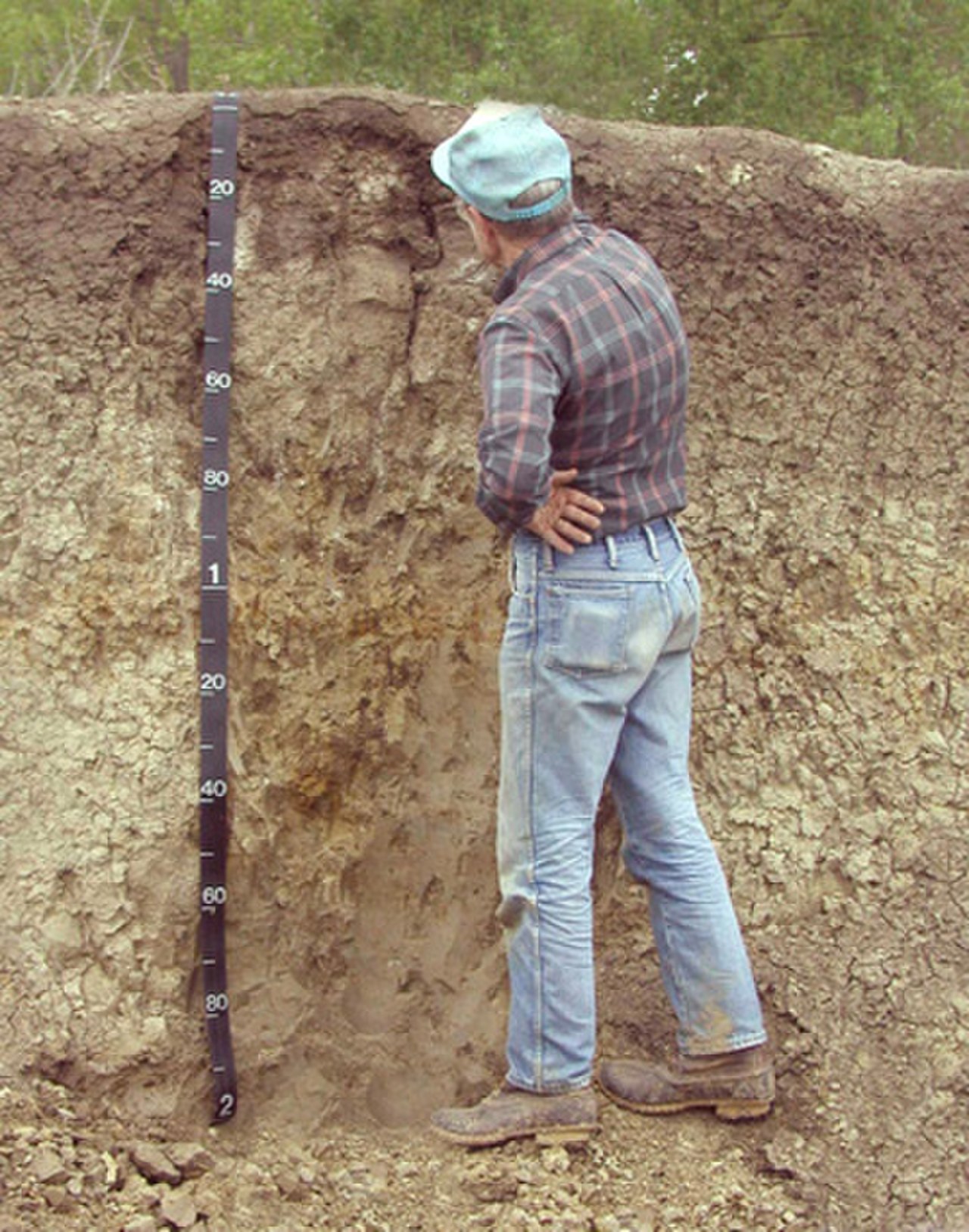
Soil science
The Genesis and Composition of Terrestrial Substrates
Soil science, or pedology, investigates the complex formation, composition, and properties of the Earth's uppermost layer of material. This layer, the soil, is a heterogeneous mixture comprising mineral particles derived from parent rock material, organic matter in various stages of decomposition (humus), soil water, and soil air. The relative proportions of these components, particularly the mineral fraction (sand, silt, and clay), dictate soil texture, which profoundly influences its physical and chemical behavior.
Parent material, climate, organisms, topography, and time are the five key soil-forming factors (ClORPT). Understanding these factors is crucial for classifying soils and predicting their suitability for different uses. The study of soil has evolved from early agricultural observations to a sophisticated scientific discipline with global implications for resource management and environmental health.
A Chronological Perspective on Soil Understanding
The recognition of soil's importance for agriculture dates back to ancient civilizations, which developed empirical farming practices based on observed soil fertility. However, the formal scientific study of soil as a distinct entity began in the 19th century. Early pioneers like Vasily Dokuchaev in Russia laid the groundwork for modern soil science by demonstrating that soils are natural bodies with distinct properties, influenced by climate and vegetation, and can be classified systematically.
This led to the development of soil taxonomy systems, such as the USDA's Soil Taxonomy, which categorize soils based on their morphology and genesis. The mid-20th century saw a surge in research focusing on soil physics, chemistry, biology, and fertility, driven by the need to increase agricultural productivity and understand environmental processes. Today, soil science is interdisciplinary, integrating knowledge from geology, biology, chemistry, and ecology.
The Indispensable Ecological and Anthropogenic Roles of Soil
Soil is a cornerstone of terrestrial ecosystems, performing a multitude of indispensable functions. Ecologically, it serves as the primary medium for plant growth, providing anchorage, water, and nutrients, thereby supporting entire food webs. It is a vast reservoir of biodiversity, hosting an estimated quarter of all life on Earth, including a staggering array of microorganisms crucial for nutrient cycling and decomposition.
Soil acts as a critical regulator of the water cycle, filtering pollutants and recharging groundwater aquifers. Furthermore, soils are significant carbon sinks, storing more carbon than the atmosphere and all vegetation combined, making them vital in mitigating climate change. Anthropogenically, soil is fundamental to human civilization, underpinning agriculture, forestry, and construction.
Degradation of soil resources through erosion, salinization, and pollution poses a severe threat to food security, water quality, and ecosystem stability.
Mechanisms of Soil Functionality and Dynamics
The functionality of soil is driven by complex physical, chemical, and biological processes. Soil structure, the arrangement of soil particles into aggregates, dictates pore space distribution, influencing water infiltration, aeration, and root penetration. Soil chemistry involves the exchange of ions between soil particles (especially clay and organic matter) and soil solution, a process critical for nutrient availability and buffering against pH changes.
Biological activity is paramount; microorganisms and fauna decompose organic matter, mineralize nutrients, fix atmospheric nitrogen, and contribute to soil aggregation. Soil water dynamics, including retention, movement, and availability to plants, are governed by soil texture, structure, and matric potential. Understanding these interconnected mechanisms is essential for sustainable land management, predicting soil behavior under different environmental conditions, and developing strategies to combat soil degradation.
Go deeper
Frequently Asked Questions
What is soil made of?+
Why is soil important for plants?+
How does soil help the Earth stay healthy?+
What are the five factors that shape soil?+
Why do scientists study soil?+
Based on content from Wikipedia · Licensed under CC BY-SA 4.0