

Socialist Country
Images
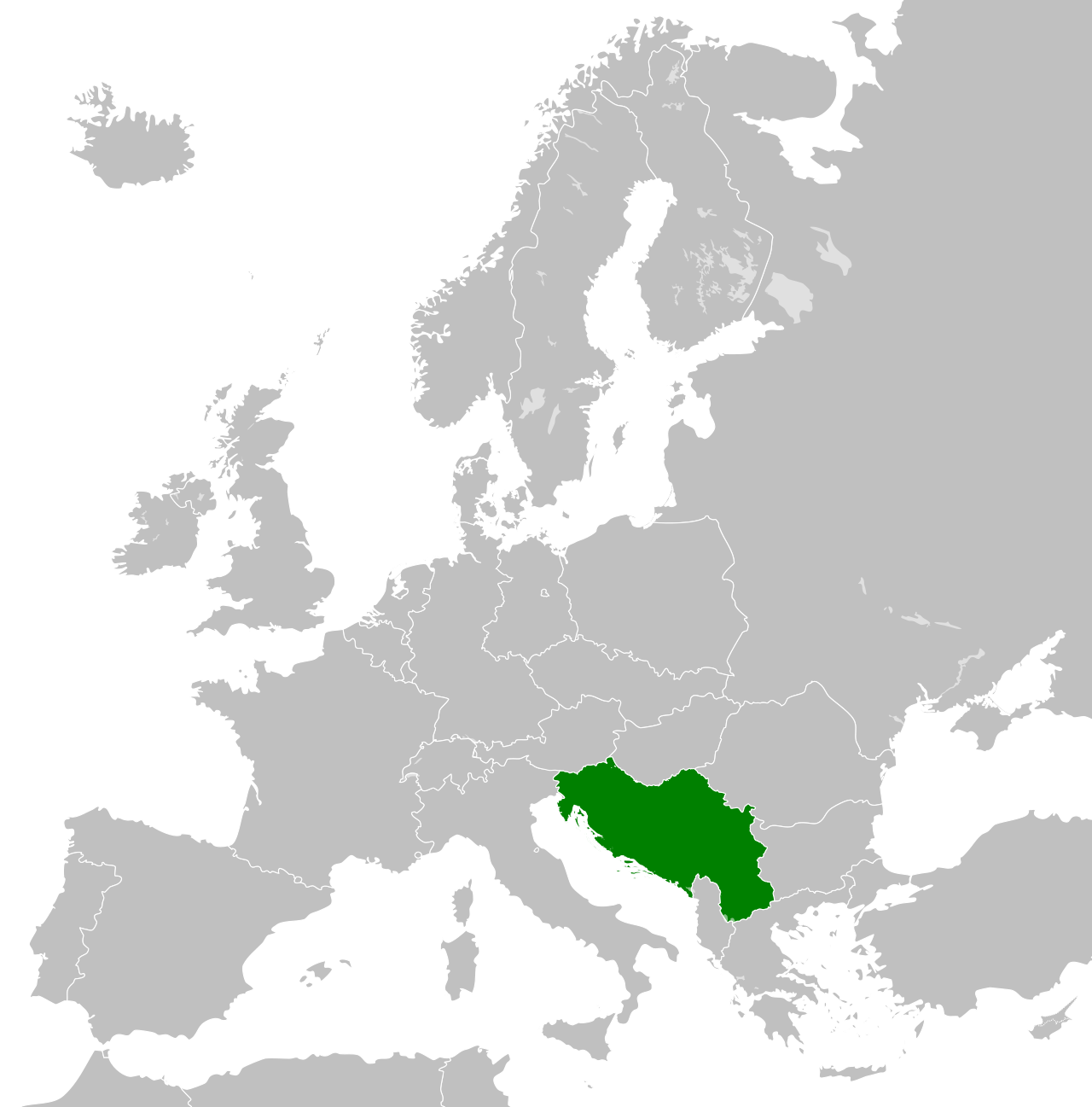
Yugoslavia 1956-1990


Geographical Tapestry
Socialist countries exhibit a remarkable spectrum of geographical characteristics, influencing their development and societal structures. From the vast, resource-rich expanses of Russia, with its extreme continental climate, to the tropical archipelagos of Cuba, characterized by maritime influences, the environmental conditions are incredibly varied. Nations like Vietnam navigate monsoonal climates and mountainous terrain, while others might be landlocked or possess extensive coastlines.
These geographical realities shape agricultural practices, industrial potential, and even national defense strategies. The distribution of natural resources, such as minerals, arable land, and water, further dictates economic priorities and international trade relationships, making each socialist country a unique case study in human adaptation to diverse environments.
Historical Trajectories
The emergence of socialist countries is deeply rooted in 19th and 20th-century political and economic thought, often arising from revolutionary movements seeking to dismantle existing power structures and redistribute wealth. Key historical moments include the Bolshevik Revolution in Russia, leading to the formation of the Soviet Union, and subsequent socialist movements across Asia, Africa, and Latin America.
These transitions frequently involved significant societal upheaval, land reforms, nationalization of industries, and the establishment of new political systems. The ideological evolution of socialism, from Marxist-Leninist interpretations to more diverse national models, has led to a wide array of governance and economic approaches among contemporary socialist states, each with its own historical narrative and legacy.
Cultural Expressions and Societal Fabric
The culture within socialist countries is often a complex interplay of historical traditions, socialist ideology, and global influences. Art, literature, and media frequently serve as platforms for promoting national identity, collective values, and the achievements of the socialist project. Public holidays and national celebrations are often significant events, reinforcing social cohesion and patriotic sentiment. While official narratives may emphasize unity and progress, diverse subcultures and individual expressions persist.
The emphasis on education and public services can foster a society with high literacy rates and access to cultural institutions, though artistic freedom can sometimes be subject to state oversight, reflecting the ongoing tension between collective goals and individual expression.
Economic Models
The economic systems of socialist countries typically involve significant state intervention and planning, aiming to direct resources towards societal development and equitable distribution. This often includes state ownership of major industries, central economic planning to set production targets and allocate resources, and policies designed to ensure full employment and social welfare. However, many socialist countries have also integrated market-oriented reforms to enhance efficiency and competitiveness in the global economy.
This hybrid approach, sometimes termed 'market socialism,' seeks to balance state control with market mechanisms. International trade remains crucial, with socialist nations engaging in global commerce to acquire necessary goods, technologies, and to export their own products, navigating complex geopolitical and economic landscapes.
Governance Structures
Socialist countries are generally characterized by a political system where a vanguard party plays a dominant role in governing the state. This party typically formulates national policy, directs economic development, and oversees social institutions, with the overarching goal of achieving socialist objectives. While various forms of representation may exist, the party's leadership is usually paramount.
The state apparatus is often extensive, managing public services, infrastructure, and key economic sectors. The relationship between the party and the state can vary, but both are geared towards implementing the party's ideology and ensuring stability and progress according to its vision. Citizen participation often occurs within frameworks established by the party, emphasizing collective decision-making and adherence to national priorities.
Education Systems
Education is a cornerstone of socialist policy, viewed as a critical tool for social mobility, national development, and ideological formation. Most socialist countries provide free and compulsory education at primary and secondary levels, often extending to higher education and vocational training. Curricula typically emphasize scientific and technical subjects, alongside civic education designed to instill socialist values and patriotism.
The state plays a central role in curriculum development, teacher training, and the administration of educational institutions. This focus aims to equip citizens with the skills needed for the workforce and to foster a shared understanding of national goals and history, ensuring that education serves both individual advancement and the collective interests of the nation.
See also
Frequently Asked Questions
What is a socialist country?+
Why do socialist countries have different climates and landscapes?+
How do socialist countries decide what to produce?+
What happens to art and holidays in socialist countries?+
Do people in socialist countries get free education and health care?+
Based on content from Wikipedia · Licensed under CC BY-SA 4.0