

Sneeze
Images

Cat Sneeze


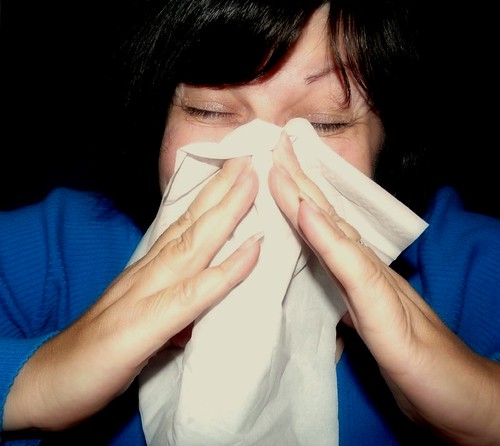

The Reflex Arc of Sternutation
The sneeze, or sternutation, is a complex, semi-autonomous reflex arc initiated by stimulation of the trigeminal nerve endings within the nasal mucosa. This stimulation, often caused by inhaled particulate matter, allergens, or even changes in temperature, sends signals to the respiratory center in the brainstem. In response, a coordinated sequence of events unfolds: a deep inhalation, followed by a rapid, forceful exhalation.
During the expiratory phase, the glottis closes momentarily, building intrathoracic pressure, before suddenly opening. Simultaneously, the soft palate and uvula depress, while the posterior tongue elevates, constricting the oropharyngeal passage. This creates a Venturi effect, accelerating the expelled air and propelling mucus and foreign particles outward at velocities that can exceed 100 miles per hour.
This expulsion serves a critical protective function, clearing the nasal cavity and upper respiratory tract of irritants and pathogens, thereby maintaining airway patency and preventing infection.
Diverse Etiologies
While mechanical irritation from dust or debris is a primary cause of sneezing, the triggers are remarkably diverse. Allergic rhinitis, triggered by allergens like pollen, dust mites, or pet dander, is a significant contributor, involving an IgE-mediated immune response that leads to inflammation and increased sensitivity of the nasal mucosa. Viral infections, such as the common cold or influenza, also induce sneezing as part of the host's defense mechanism to expel viral particles and inflammatory exudate.
Intriguingly, the photic sneeze reflex, or autosomal dominant compelling helio-ophthalmic outburst (ACHOO syndrome), causes sneezing upon sudden exposure to bright light, a phenomenon linked to the close proximity of the optic and trigeminal nerves. Other triggers include sudden changes in ambient temperature, strong odors, physical exertion, and even a distended stomach, highlighting the intricate interplay between sensory input and the autonomic nervous system's response.
Historical Perspectives and Sociocultural Meanings of the Sneeze
Throughout history, the sneeze has been imbued with profound cultural and superstitious significance. Ancient civilizations, including the Greeks and Romans, viewed sneezes as divine omens, interpreting them as signs of good fortune or warnings of impending events. This led to the widespread practice of offering blessings or good wishes, such as 'God bless you' or 'Salvē' (Latin for 'be well'), to protect the sneezer from malevolent spirits or ill health.
In medieval Europe, during times of plague, a sneeze was particularly feared, as it was often an early symptom of serious illness, prompting the phrase 'God help you.' These historical beliefs have shaped modern social etiquette, where acknowledging a sneeze remains a customary, albeit secularized, gesture of politeness and concern for well-being, underscoring the sneeze's enduring place in human social interaction.
Public Health Implications
The sneeze plays a pivotal role in the transmission of airborne and droplet-borne infectious diseases. The forceful expulsion of air can generate a plume of respiratory droplets and aerosols containing pathogens like influenza viruses, rhinoviruses, and coronaviruses. These droplets can travel considerable distances, potentially contaminating surfaces or being inhaled by susceptible individuals.
Consequently, public health strategies heavily emphasize sneeze etiquette as a primary method of disease prevention. Covering the mouth and nose with a tissue or the antecubital fossa (inner elbow) effectively contains the majority of expelled droplets, significantly reducing transmission risk. Understanding the physics of sneeze expulsion and droplet dispersion is crucial for designing effective public health interventions and promoting responsible behavior to mitigate outbreaks.
The Sneeze in Modern Context
Contemporary research continues to explore the nuances of sneezing, from its neurological underpinnings to its impact on disease spread. Studies utilizing high-speed videography and particle imaging have provided detailed insights into the fluid dynamics of sneeze plumes, revealing complex patterns of droplet generation and dispersal. Clinically, understanding the triggers and mechanisms of sneezing is vital for diagnosing and managing conditions like allergic rhinitis and non-allergic rhinitis.
Furthermore, the study of sneezing reflexes can offer clues into broader neurological and respiratory control mechanisms. As we face ongoing public health challenges, the humble sneeze remains a critical area of study, informing everything from personal hygiene practices to the development of public health policies aimed at curbing infectious disease transmission in a globalized world.
See also
Frequently Asked Questions
What happens inside my body when I sneeze?+
Why do I sneeze when I see bright light?+
How fast can a sneeze blow air out of my nose?+
What can sneezing help keep from getting into my body?+
Why do people say "Bless you" when someone sneezes?+
Based on content from Wikipedia · Licensed under CC BY-SA 4.0