

Singapore Grand Prix
Images
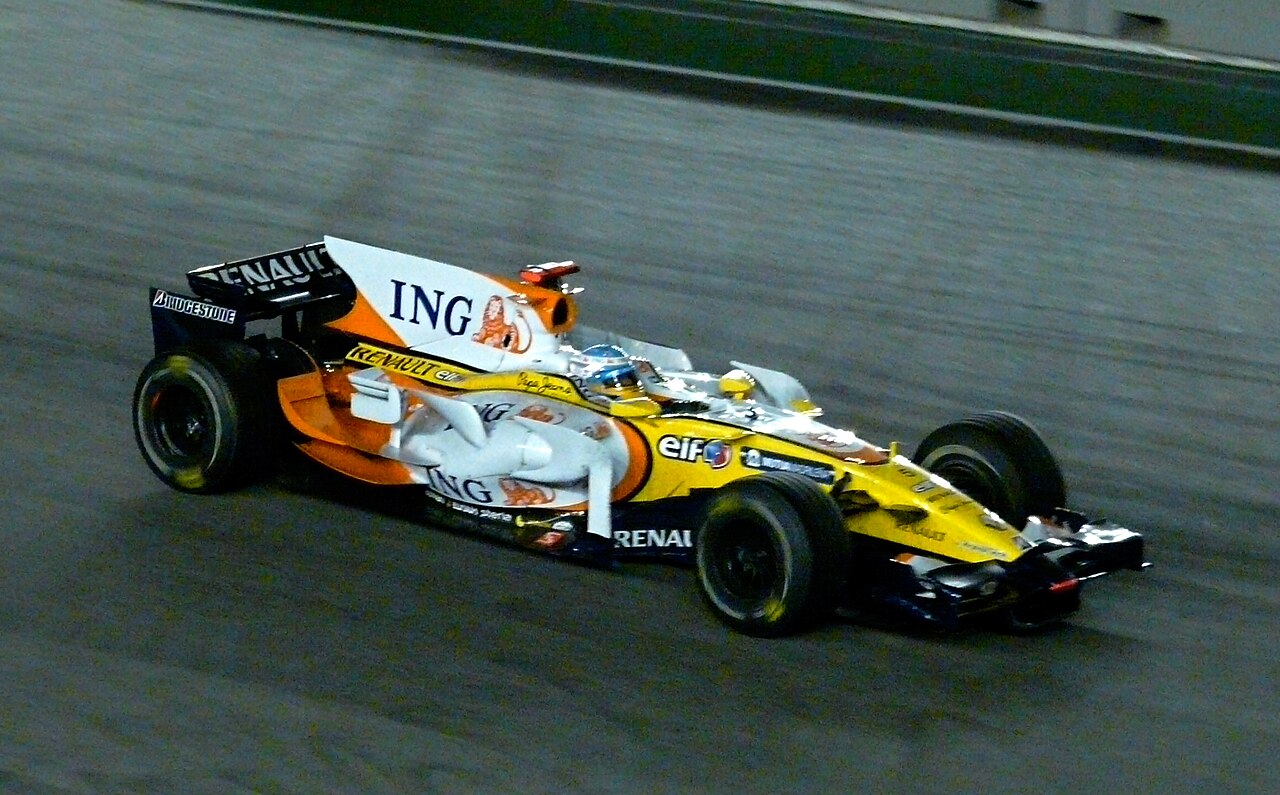
Singapore grand prix 2008 alonso win


The Genesis of a Nocturnal Spectacle
The Singapore Grand Prix represents a pivotal moment in the evolution of Formula One, particularly with its groundbreaking introduction as the sport's first-ever night race in 2008. This wasn't merely an aesthetic choice; it was a strategic decision that fundamentally altered the perception and execution of a Grand Prix. Held on the Marina Bay Street Circuit, the event leverages the city's iconic skyline as a dramatic backdrop, transforming ordinary streets into a high-speed theatre.
The circuit itself, a 5.065-kilometer (3.147-mile) layout, is characterized by its demanding 23 corners, tight confines, and a notorious tendency for safety car interventions, making it one of the most challenging and unpredictable venues on the F1 calendar. The decision to host a night race also presented unique engineering challenges, from lighting and visibility to tire management under different temperature conditions, pushing teams and drivers to adapt.
A Legacy Forged on Asphalt and Controversy
The history of the Singapore Grand Prix is marked by both innovation and significant controversy. While the modern Formula One iteration began in 2008, the event's roots trace back to the Thomson Road circuit, which hosted races from 1966 to 1973. The return in 2008, however, was overshadowed by the 'Crashgate' scandal.
This incident involved a deliberate crash by Nelson Piquet Jr. during the race, orchestrated by senior team management to benefit his teammate Fernando Alonso through a strategically timed safety car deployment. The revelation a year later led to severe penalties for the team and management, casting a long shadow over the inaugural F1 edition. Despite this, the race's commitment to innovation, particularly its pioneering night race status and its role as Asia's first dedicated F1 street circuit, cemented its place in motorsport lore.
Strategic Significance and Sporting Prowess
The Singapore Grand Prix is more than just a race; it's a complex interplay of driver skill, engineering prowess, and strategic acumen. Its unique status as a night street circuit presents a formidable challenge. The close proximity of the barriers demands absolute precision, and the tropical climate often leads to high temperatures and humidity, impacting driver endurance and car performance.
The circuit's layout, with its numerous corners and frequent safety car periods, often leads to unpredictable race outcomes. Sebastian Vettel's record of five victories highlights his mastery of this demanding track. The contract extension through 2028 underscores the event's commercial and sporting importance, solidifying its position as a flagship fixture in the Formula One World Championship and a significant contributor to Singapore's global sporting profile.
The Anatomy of a Demanding Street Circuit
The Marina Bay Street Circuit is a masterclass in urban motorsport design, meticulously crafted to test the limits of both man and machine. Its 5.065-kilometer length is punctuated by 23 corners, a high number that contributes to its demanding nature and often results in slower average lap speeds compared to permanent circuits. The circuit's characteristic feature is its frequent safety car deployments, a statistic that has been remarkably consistent, with at least one deployment occurring in every race edition until 2024, totaling 24.
This high frequency is attributed to the tight nature of the track, the proximity of the walls, and the potential for incidents. The race also holds the distinction of being the 800th Formula One World Championship race since its inception in 1950, a testament to its historical significance within the sport's long and storied past.
See also
Frequently Asked Questions
What makes the Singapore Grand Prix a night race?+
Where does the race take place in Singapore?+
How many corners are on the Marina Bay Street Circuit?+
Why are there often safety car periods in Singapore races?+
Who has won the most races at the Singapore Grand Prix?+
Based on content from Wikipedia · Licensed under CC BY-SA 4.0