

Silent Film: Movies That Talked Without Words!
Images
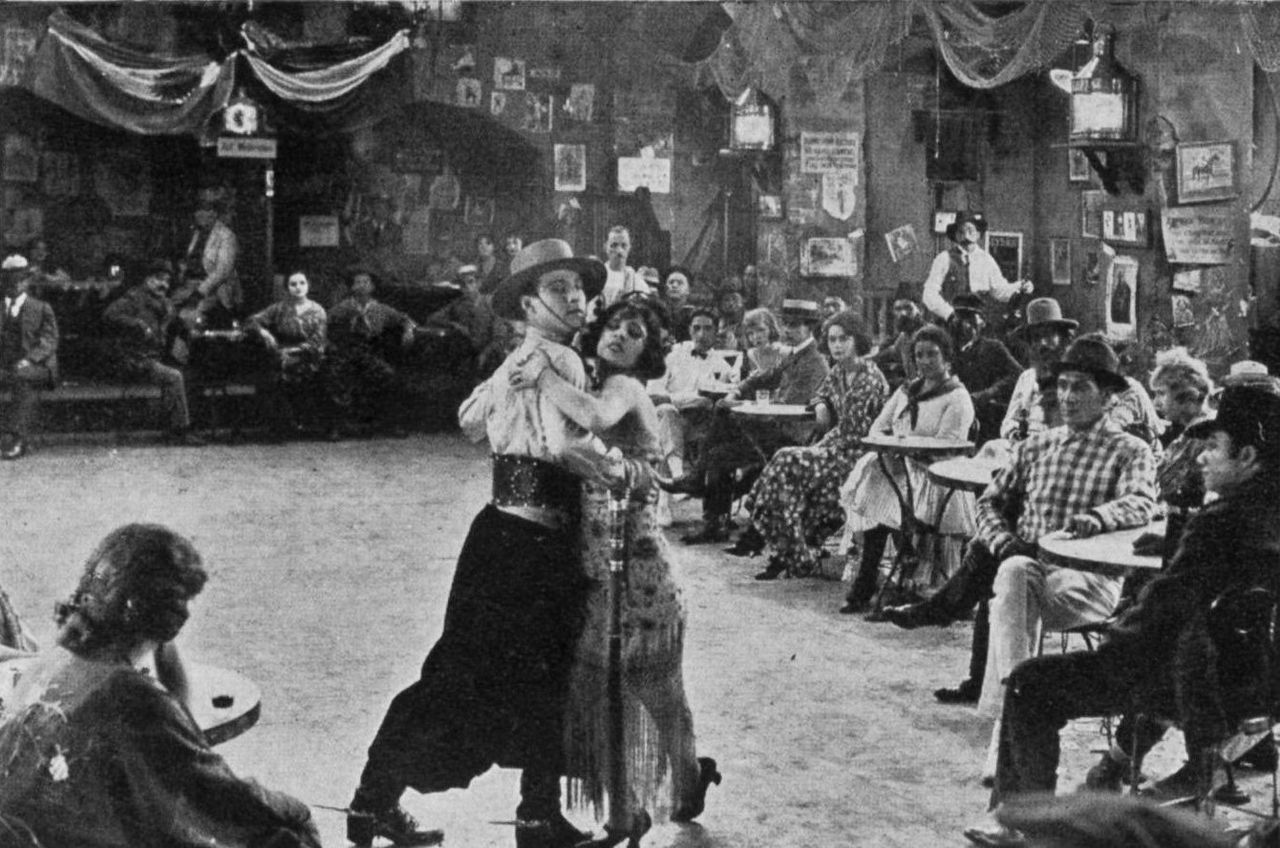
Silent film
The Genesis of Cinema
The silent film era, spanning roughly from the mid-1890s to the late 1920s, represents the crucial formative period of cinema. Initially viewed as a mere novelty, moving pictures rapidly evolved into a sophisticated art form capable of complex narrative and profound emotional expression. Filmmakers like D.W.
Griffith, Georges Méliès, and the Lumière brothers experimented with various techniques, laying the groundwork for cinematic language. Méliès, for instance, pioneered special effects and fantasy narratives, while the Lumières focused on capturing everyday life. This period saw the development of narrative structures, editing techniques, and the establishment of the star system, transforming cinema from a scientific curiosity into a powerful medium of mass entertainment and artistic expression, all achieved without the aid of synchronized sound.
The Language of Silence
In the absence of spoken dialogue, silent films developed a unique visual language. Actors were trained in exaggerated gestures, mime, and facial expressiveness to convey a wide range of emotions and intentions. This style, often referred to as 'acting in silence,' required immense skill and physicality. Charlie Chaplin, Buster Keaton, and Harold Lloyd became global icons through their distinctive personas and masterful comedic timing.
Intertitles, or title cards, served as a crucial narrative device, providing dialogue, exposition, or commentary. However, their use was carefully balanced to avoid disrupting the visual flow. Cinematography also played a vital role, with innovative camera angles, lighting, and editing techniques used to build atmosphere, emphasize character psychology, and drive the plot forward. The deliberate framing and movement of the camera became as important as the actors' performances.
The Spectacle of the Silent Era
The exhibition of silent films was an integral part of their cultural impact. Movie palaces, often opulent and grand, were designed to offer a luxurious and immersive experience. Unlike modern screenings, silent films were almost always accompanied by live music. This ranged from solo pianists to full orchestras, with scores often improvised or specially composed to match the on-screen action and emotional tone.
This live musical element was essential for shaping audience perception and emotional response, transforming a passive viewing into a dynamic, shared experience. Sound effects were also sometimes generated live. The communal aspect of attending these screenings, combined with the powerful visual storytelling, created a unique and deeply engaging form of entertainment that resonated with diverse audiences worldwide.
Enduring Legacy
The silent film era's influence on contemporary cinema is profound and pervasive. The fundamental principles of visual storytelling, narrative pacing, character development through action, and the use of cinematography to evoke mood and meaning were largely established during this period. Many editing techniques, such as the cross-cut to build suspense or the close-up to reveal emotion, originated or were significantly developed in silent films.
Furthermore, the genre conventions established in silent films, from slapstick comedy to melodrama and epic historical dramas, continue to inform filmmaking today. The success of silent films in transcending language barriers also serves as a timeless reminder of cinema's potential for universal communication. Studying this era provides critical insight into the evolution of film as an art form and its enduring power.
The Transition to Sound
The advent of synchronized sound technology in the late 1920s, famously marked by 'The Jazz Singer' in 1927, signaled the rapid decline of the silent film era. This transition was not without its challenges; actors whose careers depended heavily on physical performance struggled with dialogue delivery, and filmmakers had to adapt to new technical constraints. However, sound opened up entirely new creative possibilities, from spoken dialogue and musical numbers to enhanced sound effects.
While the 'talkies' quickly dominated the industry, the legacy of silent film remained. Many filmmakers and actors transitioned successfully, bringing the visual storytelling skills honed in the silent era to the new sound medium. The silent period is thus not just a precursor but a vital, foundational chapter in the history of cinema, demonstrating the power and artistry achievable through purely visual means.
Go deeper
Frequently Asked Questions
What were silent films and why did they not have spoken words?+
How did actors communicate emotions in silent movies?+
What were intertitles and why were they used?+
How did music help silent film screenings?+
Which famous actors became stars in silent films?+
Based on content from Wikipedia · Licensed under CC BY-SA 4.0