

Signs: Your Secret Code to the World!
Images
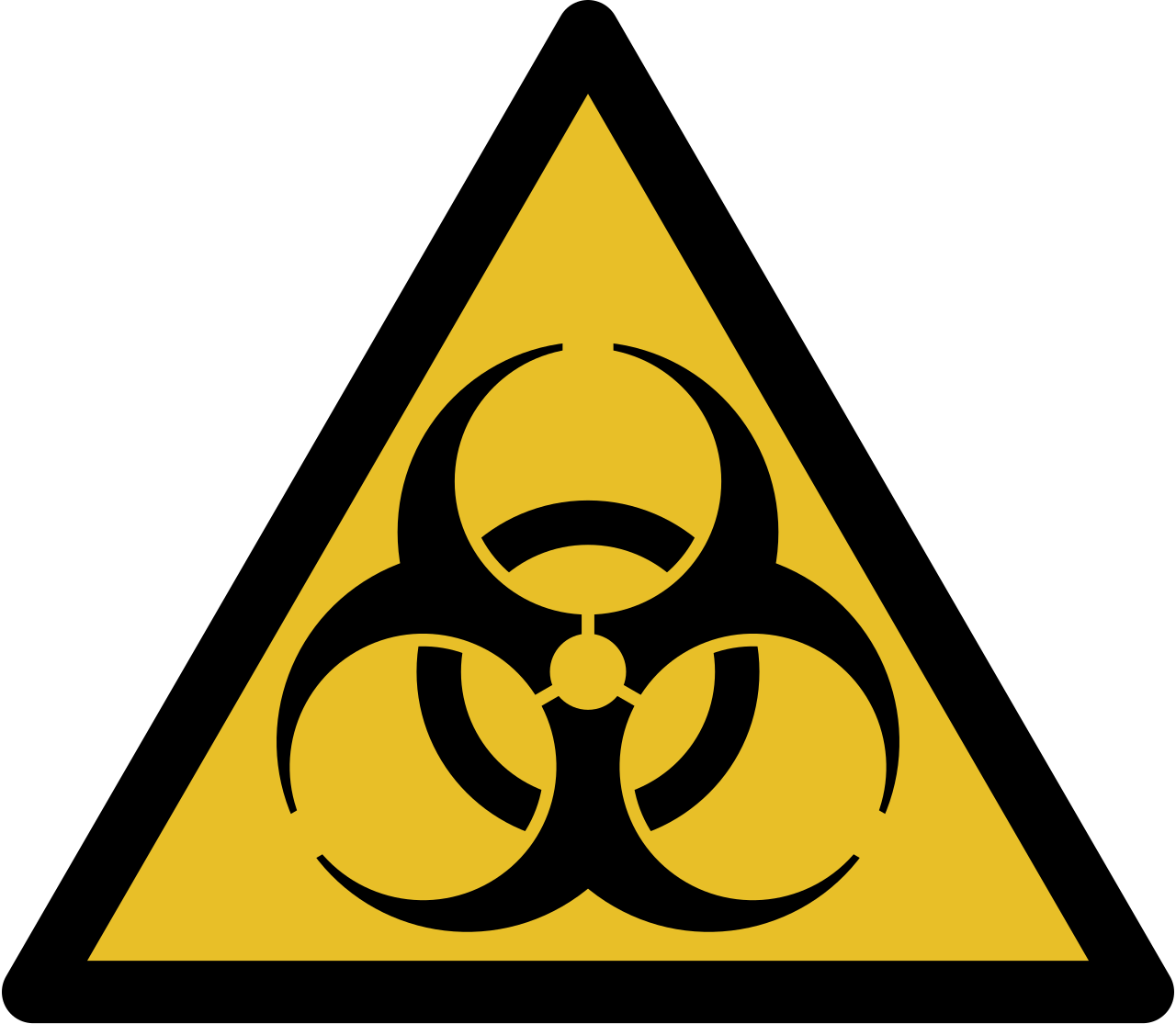
Sign
The Dual Nature of Signification
At its core, a sign is a mediator, bridging the gap between what is observable and what is inferred. This mediation occurs through two primary pathways: natural and conventional. Natural signs operate on a principle of causality; their presence directly indicates the probable presence of something else due to an inherent relationship.
For instance, the pallor of a person's skin is a natural sign of illness, or the smell of smoke is a natural sign of combustion. These signs are often universally recognizable because they are rooted in physical laws or biological processes. In contrast, conventional signs derive their meaning from human agreement and social constructs.
Language, both spoken and written, is the most pervasive example. The word 'tree' has no inherent connection to the actual plant; its meaning is established through collective human consensus. Similarly, traffic signals, national flags, and even the symbols used in mathematics are conventional signs.
Their efficacy relies entirely on shared understanding within a specific community or culture.
Evolution of Sign Systems
The human capacity for sign use has evolved dramatically over millennia. Early hominids likely relied heavily on natural signs for survival, interpreting animal tracks, weather patterns, and environmental changes. The development of symbolic thought led to the creation of conventional signs, beginning with rudimentary gestures and vocalizations.
The invention of writing systems, such as cuneiform and hieroglyphs, marked a profound shift, enabling the permanent recording and transmission of complex information across generations and vast distances. This allowed for the accumulation of knowledge and the development of sophisticated societies. The printing press further democratized information, and the digital age has introduced an explosion of new sign forms, from emojis and memes to complex algorithms and data visualizations.
Each stage represents an expansion of our ability to create, interpret, and manipulate signs.
The Indispensable Role of Signs in Social Cohesion and Functionality
Signs are not merely tools for communication; they are fundamental to the very structure and functioning of human society. They provide order, facilitate cooperation, and shape our collective reality. In the public sphere, signage is critical for navigation, safety, and commerce.
Imagine a city without street signs, building directories, or warning labels; it would descend into chaos. Beyond the practical, signs are powerful carriers of cultural meaning and identity. Flags, anthems, religious symbols, and even fashion trends function as signs that bind communities together and differentiate groups.
The study of semiotics reveals how these signs influence our perceptions, values, and behaviors, playing a crucial role in everything from political discourse and advertising to interpersonal relationships and the formation of personal identity.
The Science of Meaning-Making
Semiotics, the philosophical study of signs and symbols, delves into the intricate mechanisms by which meaning is created, communicated, and understood. It examines the relationship between the signifier (the form the sign takes, e.g., a word or image), the signified (the concept it represents), and the referent (the actual thing in the world). The process by which signs operate is known as semiosis.
This involves not just the sign and its object, but also the interpretant – the meaning or effect the sign produces in the mind of the interpreter. Semiotics explores how different sign systems (like language, visual arts, or gestures) function, how their meanings can shift over time, and how they are used to persuade, inform, and construct our understanding of reality. Understanding semiotics provides a powerful lens for analyzing the complex layers of meaning in our increasingly sign-saturated world.
Go deeper
Frequently Asked Questions
What is a sign?+
How do natural signs work?+
What are conventional signs?+
Why are signs important for safety?+
How did signs change over time?+
Based on content from Wikipedia · Licensed under CC BY-SA 4.0