

Shope Papilloma Virus: The Bunny Bump Bug!
Images

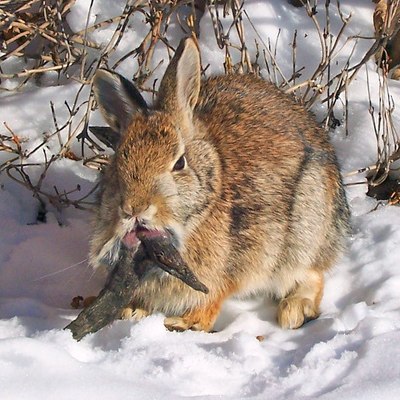
File:Rabbit shopes papilloma virus 1.jpg


The Etiology and Pathology of Shope Papilloma Virus
The Shope papilloma virus (SPV), scientifically classified as Kappapapillomavirus 2, is a member of the Papillomaviridae family, a group of non-enveloped DNA viruses. SPV exhibits tropism for keratinocytes, the primary cells of the epidermis and its appendages, in various lagomorph species. Its pathogenesis is characterized by the induction of proliferative lesions, commonly referred to as papillomas.
In susceptible hosts, these benign growths can undergo malignant transformation, developing into squamous cell carcinomas. These carcinomas are not merely cosmetic; their aggressive nature can lead to significant morbidity. Metastasis, though not always frequent, can occur, and the sheer size of the tumors can impede vital functions such as feeding, ultimately resulting in emaciation and death.
The virus's ability to induce both benign and malignant lesions makes it a compelling model for studying the complex interplay between viral infection and cellular transformation.
Richard E. Shope's Landmark Discovery and its Scientific Ramifications
The pivotal discovery of SPV in 1933 by Richard E. Shope marked a watershed moment in virology and oncology. Shope, working at the Rockefeller Institute for Medical Research, observed unusual, horn-like growths on cottontail rabbits in the Midwestern United States.
His rigorous investigations, which involved experimental transmission of tumor material, unequivocally demonstrated the viral etiology of these lesions. This was one of the earliest and most compelling pieces of evidence linking a virus to cancer. The identification of SPV as an 'oncovirus' fundamentally shifted scientific understanding, providing a tangible model to explore the mechanisms by which viruses could disrupt cellular processes and initiate neoplastic development.
Shope's work laid the groundwork for future research into other oncoviruses, such as Epstein-Barr virus and human papillomaviruses (HPVs), which are now known to be associated with a significant proportion of human cancers.
Ecological Niches and Host Susceptibility of SPV
SPV's ecological impact is primarily observed within wild lagomorph populations. While cottontail rabbits (Sylvilagus spp.) were the initial hosts identified, the virus has demonstrated a broader host range within the Leporidae family. This includes other species of Sylvilagus, such as the brush rabbit, and various species of hares, including the black-tailed jackrabbit (Lepus californicus) and the snowshoe hare (Lepus americanus).
Furthermore, domestic rabbits (Oryctolagus cuniculus) are also susceptible to infection, posing a potential risk of transmission between wild and captive populations. The prevalence and severity of SPV infections can vary depending on geographic location, host species, and individual immune status. Understanding these host-virus interactions is crucial for wildlife health management and for appreciating the broader implications of viral diseases in natural ecosystems.
The Enduring Legacy
The significance of the Shope papilloma virus extends far beyond its direct impact on rabbit populations. Its role as an early, well-characterized oncovirus has made it an invaluable tool in the ongoing quest to understand and combat cancer. By studying how SPV manipulates host cell machinery to promote uncontrolled proliferation and evade immune surveillance, researchers have gained critical insights applicable to human cancers.
The molecular mechanisms elucidated through SPV research, such as the role of viral oncoproteins in disrupting cell cycle regulation and apoptosis, have informed our understanding of similar processes driven by human papillomaviruses (HPVs). This knowledge has been instrumental in the development of prophylactic vaccines against HPV, which have dramatically reduced the incidence of cervical cancer and other HPV-associated malignancies. Thus, the study of this seemingly simple bunny virus continues to contribute to sophisticated advancements in human health.
Broader Implications and Related Viral Systems
The study of SPV is intrinsically linked to the broader field of viral oncology and comparative pathology. Its discovery predated the full understanding of oncogenes and tumor suppressor genes, yet it provided a concrete example of viral involvement in cancer. This paved the way for identifying other viruses with oncogenic potential, such as Hepatitis B and C viruses, which are linked to hepatocellular carcinoma, and retroviruses like HTLV-1, associated with certain leukemias and lymphomas.
The parallels between SPV and human papillomaviruses (HPVs) are particularly striking. Both are DNA viruses that induce epithelial proliferations and can lead to malignancy. Research into SPV's mechanisms of oncogenesis, including the expression of viral E6 and E7 oncoproteins that target tumor suppressor proteins like p53 and pRB, has provided a foundational understanding that has been directly translated to the study of HPV pathogenesis.
This cross-species comparative approach underscores the universal principles of viral carcinogenesis and highlights the interconnectedness of biological research.
See also
Frequently Asked Questions
What is the Shope papilloma virus and why does it make bunnies grow bumps?+
How can the bumps from the Shope papilloma virus become dangerous for rabbits?+
Who discovered the Shope papilloma virus and why was it important?+
Can the Shope papilloma virus infect pet rabbits or only wild ones?+
Why do scientists still study the Shope papilloma virus today?+
Based on content from Wikipedia · Licensed under CC BY-SA 4.0