

Shimon Sakaguchi
Images

Shimon Sakaguchi 20251006


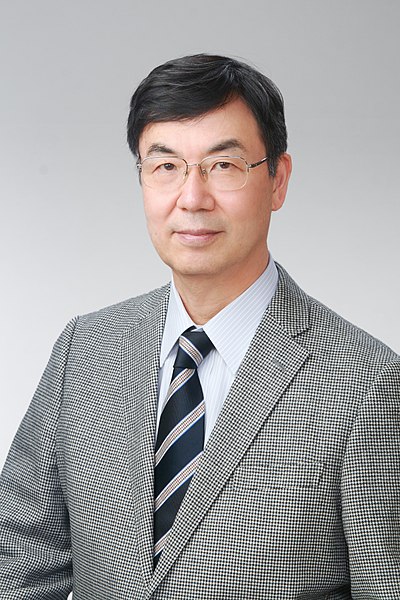


The Genesis of Immune Regulation
Shimon Sakaguchi, born in 1951, stands as a pivotal figure in contemporary immunology, renowned for his seminal work on the discovery and functional elucidation of regulatory T cells (Tregs). Prior to his contributions, the immune system was largely understood as a binary system of activation and effector functions, with a significant gap in explaining how self-tolerance was maintained and how excessive immune responses were curtailed.
Sakaguchi's meticulous research, conducted over years, identified a distinct population of T lymphocytes that actively suppressed immune responses. This discovery was not merely an addition to the existing immunological landscape; it fundamentally altered the paradigm, introducing the concept of active immune regulation as a critical component of immune homeostasis. His work provided the molecular and cellular basis for understanding how the body avoids attacking its own tissues, a phenomenon known as self-tolerance, and how it prevents overzealous immune reactions that can lead to tissue damage.
From Academic Pursuit to Global Acclaim
The significance of Sakaguchi's research was underscored by his joint award of the Nobel Prize in Physiology or Medicine in 2025, alongside Mary E. Brunkow and Fred Ramsdell. This prestigious accolade celebrates his profound impact on our understanding of the immune system's intricate control mechanisms.
His career, marked by distinguished professorships at Osaka University and emeritus status at Kyoto University, reflects a lifelong dedication to scientific inquiry. The Nobel Prize serves as a global testament to the transformative nature of his findings, highlighting how fundamental biological discoveries can pave the way for revolutionary therapeutic strategies. It acknowledges his role in deciphering a crucial aspect of immune function that had long eluded researchers, thereby opening new avenues for tackling a spectrum of human diseases.
The Sophisticated Mechanism of Immune Suppression by Tregs
Regulatory T cells, or Tregs, are far more than just passive bystanders; they are active enforcers of immune peace. Sakaguchi's research detailed their multifaceted mechanisms of action. These include the secretion of immunosuppressive cytokines, such as IL-10 and TGF-beta, which directly dampen the activity of other immune cells.
Tregs can also engage in direct cell-to-cell contact, inhibiting effector T cells and antigen-presenting cells. Furthermore, they can deplete essential growth factors for other immune cells and even induce cell death in activated lymphocytes. This complex interplay ensures that the immune system remains vigilant against pathogens without becoming autoreactive or causing excessive inflammation.
Understanding these intricate processes, as elucidated by Sakaguchi, is vital for developing targeted immunotherapies.
Therapeutic Horizons
The implications of Sakaguchi's discovery extend directly into clinical applications, offering new hope for patients suffering from a variety of immune-mediated disorders. His work has been instrumental in the development of novel therapeutic strategies for autoimmune diseases, such as type 1 diabetes, multiple sclerosis, and inflammatory bowel disease, where aberrant immune responses target self-antigens. By understanding how to manipulate Treg function, researchers are exploring ways to restore immune tolerance.
This includes adoptive Treg therapy, where expanded populations of Tregs are infused into patients, or strategies to enhance endogenous Treg activity. Beyond autoimmunity, Treg research is also crucial for managing transplant rejection, preventing graft-versus-host disease, and even in cancer immunotherapy, where Tregs can sometimes hinder anti-tumor immune responses. Sakaguchi's foundational work has thus opened a vast frontier for precision medicine.
Broader Implications and Future Directions in Immunology
The discovery of regulatory T cells by Shimon Sakaguchi has profoundly reshaped the field of immunology, moving beyond a simple 'fight or flight' model of the immune system to one that emphasizes sophisticated regulation and balance. His work has spurred extensive research into the development of Treg-based therapies, aiming to correct immune dysregulation in a targeted manner. This includes investigating the specific transcription factors, such as Foxp3, that define Treg lineage, and the complex signaling pathways that govern their function.
Future research will likely focus on refining Treg-based interventions, understanding their long-term efficacy and safety, and exploring their potential in a wider array of clinical conditions. Sakaguchi's legacy is not just in a single discovery, but in the enduring paradigm shift he initiated, fostering a deeper, more nuanced understanding of immune health and disease.
See also
Based on content from Wikipedia · Licensed under CC BY-SA 4.0