

Sherlock Holmes: The World's Most Famous Detective!
Images
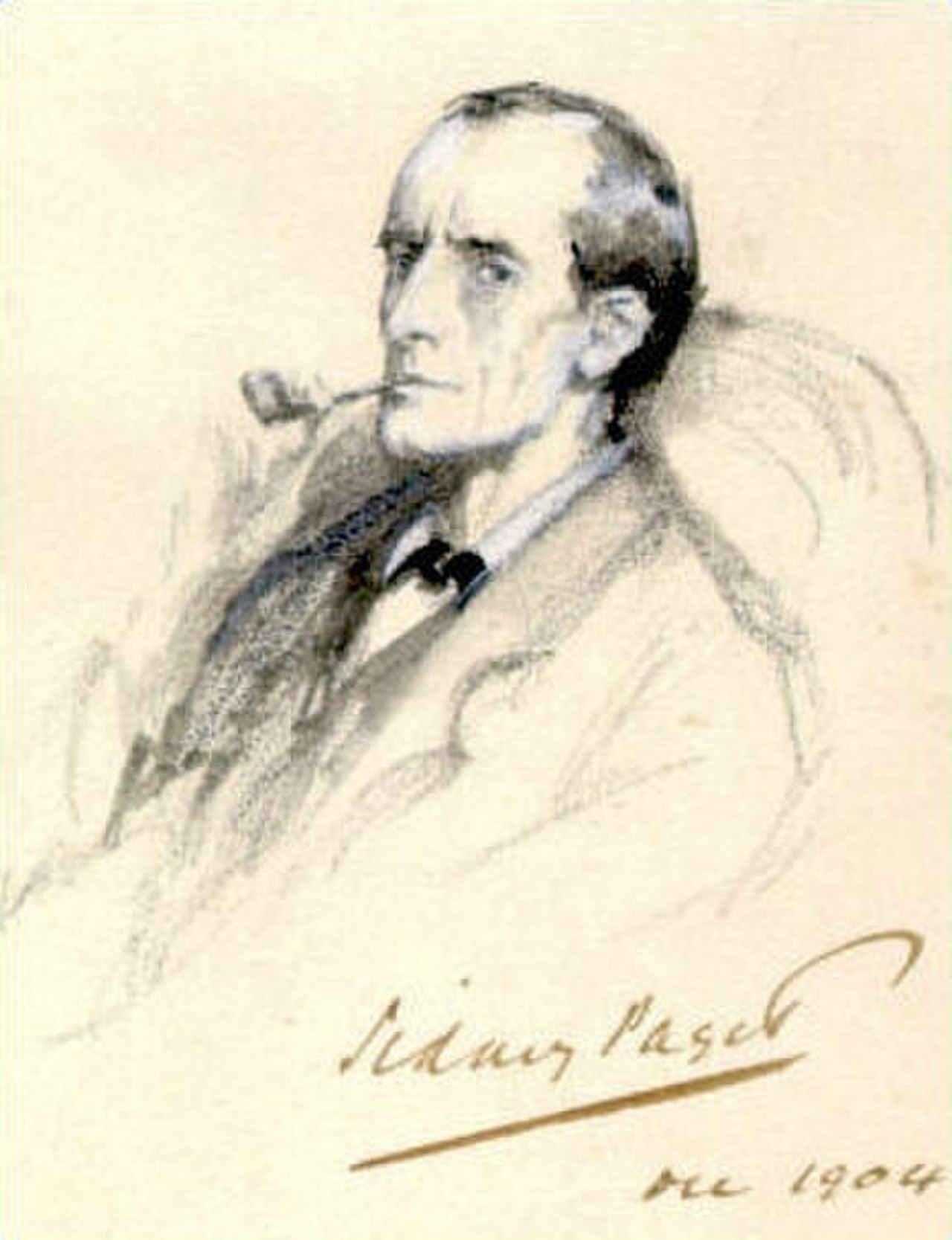
Sherlock Holmes
Genesis and Evolution of a Literary Icon
Sherlock Holmes, conceived by Sir Arthur Conan Doyle, emerged not merely as a character but as a paradigm shift in detective fiction. Doyle, a physician by training, infused Holmes with a scientific rigor and a methodical approach to crime-solving that was revolutionary for the late Victorian era. The character's debut in 'A Study in Scarlet' (1887) introduced the concept of the 'consulting detective,' a specialist who operates outside the official police force, offering his unique analytical skills to solve cases deemed unsolvable.
This narrative innovation, coupled with Holmes's eccentric personality and his base at the now-legendary 221B Baker Street, quickly resonated with a public fascinated by the burgeoning field of forensic science and the complexities of urban life.
The Mechanics of Holmesian Deduction
At the heart of Sherlock Holmes's enduring appeal lies his mastery of deductive reasoning, a process meticulously detailed by Doyle. Holmes's method is not mystical intuition but a rigorous application of observation and inference. He meticulously analyzes minute details-a stain on a coat, the wear pattern on a shoe, the type of ash left by a cigar-and connects them to a broader understanding of human behavior, geography, and specialized knowledge.
This 'science of deduction,' as Holmes himself calls it, allows him to reconstruct events and identify perpetrators with astonishing accuracy. His ability to synthesize disparate pieces of information into a coherent narrative established a benchmark for intellectual prowess in literature and influenced the development of real-world investigative techniques.
Watson's Indispensable Role as Narrator and Foil
Dr. John H. Watson serves a crucial function beyond that of a mere companion; he is the reader's surrogate and the narrative conduit through which Holmes's genius is revealed.
As a former army surgeon, Watson brings a grounded, empirical perspective that contrasts sharply with Holmes's often abstract and esoteric deductions. His astonishment and occasional bewilderment at Holmes's methods highlight the detective's extraordinary intellect for the audience. Watson's role as a chronicler not only immortalized Holmes's cases but also provided a humanizing element, grounding the brilliant but sometimes aloof detective in relatable human interaction.
The dynamic between the analytical Holmes and the more conventional Watson forms the bedrock of the series' enduring charm.
The Enduring Cultural and Literary Significance
The legacy of Sherlock Holmes extends far beyond the pages of his original stories. He is arguably the most adapted fictional character in history, appearing in countless films, television series, plays, and video games, demonstrating his persistent relevance across different media and generations. Holmes established the archetype of the brilliant, eccentric detective, influencing subsequent generations of writers and shaping the conventions of the mystery genre.
His emphasis on logic, evidence, and critical thinking continues to be celebrated, making him a timeless symbol of intellectual pursuit and the power of rational inquiry in understanding the complexities of the human condition and the world around us.
Beyond Baker Street
The influence of Sherlock Holmes is not confined to fiction; it has demonstrably impacted the development of real-world investigative practices. Doyle's detailed descriptions of forensic techniques, such as fingerprint analysis, bloodstain pattern analysis, and the use of chemical tests, were ahead of their time and inspired early forensic scientists. The character's methodical approach to evidence collection and analysis provided a blueprint for how crimes could be systematically investigated.
Furthermore, Holmes's popularity helped to legitimize the idea of specialized investigative expertise, contributing to the eventual professionalization of police forces and detective work. His enduring presence continues to advocate for the power of observation and critical thinking in uncovering truth.
Go deeper
Based on content from Wikipedia · Licensed under CC BY-SA 4.0