

Shearwater: Amazing Ocean Flyers!
Images

Shearwater Eagle Series (1)


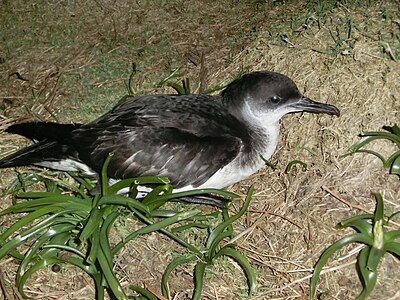


The Pelagic Paradigm
Shearwaters, belonging to the family Procellariidae, represent a pinnacle of avian adaptation to a life spent almost entirely at sea. Their morphology is a testament to this pelagic existence: long, narrow wings with a high aspect ratio are optimized for dynamic soaring, allowing them to harness wind energy for efficient, long-distance travel across vast oceanic expanses. This ability to glide for extended periods with minimal flapping is crucial for their nomadic lifestyle.
They are most abundant in temperate and cold waters globally, demonstrating a preference for environments rich in marine life. Outside of the breeding season, they are rarely seen near land, embodying a true commitment to the open ocean. Their distribution spans all major oceans, from the Arctic to the Antarctic, highlighting their resilience and adaptability to diverse marine conditions.
Understanding their pelagic nature is key to appreciating their unique ecological role and conservation challenges.
Foraging Strategies and Trophic Interactions
As obligate carnivores, shearwaters are vital components of marine food webs. Their diet primarily consists of small pelagic fish, cephalopods (like squid), and crustaceans, which they locate through keen eyesight and by following prey schools near the surface. Their foraging behavior often involves spectacular plunge dives, where they use their wings to propel themselves underwater in pursuit of prey.
This predatory pressure exerted by shearwaters helps to regulate populations of their prey species, contributing to the overall balance and health of the marine ecosystem. Furthermore, their guano, produced in large quantities at breeding colonies, can act as a significant nutrient input for island ecosystems, demonstrating a broader ecological impact beyond their direct predation.
Physiological Marvels
The physiological adaptations of shearwaters are critical for their survival in a saline environment. A key feature is their supraorbital salt gland, a specialized organ located above their eyes that excretes excess salt. This allows them to drink seawater, a necessity for birds that spend their lives on the ocean's surface and ingest saltwater during foraging.
The concentrated brine is then expelled through their nostrils, often in visible streams. Their dense, waterproof plumage provides insulation against cold ocean waters and helps them stay afloat. Furthermore, their skeletal structure is adapted for flight, with lightweight bones and powerful pectoral muscles, enabling their remarkable aerial capabilities.
These physiological traits are finely tuned to the demands of a life dictated by the sea and sky.
Reproductive Cycles and Long-Term Survival
Shearwaters exhibit a life history strategy characterized by delayed maturity and long lifespans, with some species documented to live for over two decades. This longevity is often correlated with a single-egg clutch size and biparental care. They typically breed in large colonies, often on remote islands, which offer some protection from terrestrial predators.
Both parents share incubation duties and the responsibility of feeding the chick, which involves long foraging trips. The chicks are altricial, meaning they are born helpless and require extensive parental care before they are ready to fledge and begin their independent lives at sea. This slow reproductive rate makes shearwater populations particularly vulnerable to disturbances and population declines, as recovery can be a protracted process.
Conservation Imperatives and Ecological Significance
The conservation status of shearwater species varies considerably, with some enjoying a 'Least Concern' status while others are 'Vulnerable' or 'Endangered.' Threats include habitat degradation at breeding sites, introduced predators (such as rats and cats), bycatch in fisheries, and the impacts of climate change on prey availability and oceanographic conditions. Their reliance on specific breeding islands makes them susceptible to localized threats. As indicators of ocean health, the status of shearwater populations can provide valuable insights into the broader condition of marine ecosystems.
Their role in nutrient cycling and population regulation underscores their ecological importance, making their conservation a priority for maintaining marine biodiversity and ecosystem function.
See also
Frequently Asked Questions
What are shearwaters and where do they live?+
How do shearwaters fly so far without flapping a lot?+
What do shearwaters eat and how do they catch their food?+
How do shearwaters drink salty sea water?+
Why do shearwater chicks need a lot of help from their parents?+
Based on content from Wikipedia · Licensed under CC BY-SA 4.0