

Shades of Green: The Amazing Colors of Nature!
Images

So Many Shades of Green


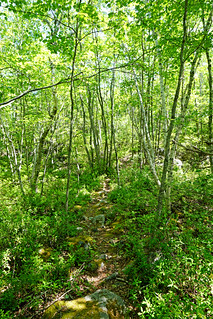


The Physics and Perception of Green
Green light falls within the visible spectrum, with wavelengths typically ranging from approximately 495 to 570 nanometers. Our perception of green is a complex interplay between the light that enters our eyes and how our brain interprets it. The primary mechanism for seeing green in the natural world is through chlorophyll, the pigment responsible for photosynthesis in plants.
Chlorophyll absorbs light most strongly in the red and blue parts of the spectrum, reflecting green light, which is why foliage appears green to us. Beyond this biological basis, the subjective experience of green varies. Differences in hue, chroma (saturation), and lightness (value or brightness) create an almost infinite array of green shades.
Tints, achieved by adding white, lighten the hue and increase its value, resulting in colors like mint or lime. Shades, created by adding black, deepen the hue and decrease its value, producing colors such as forest green or olive. Understanding these variations is crucial in fields ranging from art and design to environmental science and even psychology.
Historical and Cultural Significance of Green Pigments
Throughout history, the creation and use of green pigments have been a significant endeavor. Early civilizations utilized naturally occurring green minerals like malachite and verdigris (a copper acetate pigment) for art and decoration. The Egyptians famously used malachite for eye makeup and tomb paintings, associating it with fertility and rebirth.
The development of synthetic green pigments, such as Scheele's Green (an arsenic compound) in the 18th century, offered more vibrant and stable options, though often at a toxic cost. The Impressionist painters, for instance, embraced a wider range of greens to capture the fleeting light of nature. Today, the palette of green pigments is vast, encompassing both natural earth tones and highly saturated synthetic hues, each carrying historical associations and influencing artistic expression and cultural perceptions of the color.
Ecological Roles and Biodiversity
The prevalence of green in ecosystems is not merely aesthetic; it is fundamental to life on Earth. Chlorophyll's efficiency in capturing solar energy fuels the base of most food webs. The diverse shades of green in plants signal their health, species, and even their readiness for consumption by herbivores.
For animals, green serves as a vital tool for survival. Camouflage, achieved through green coloration, allows predators to ambush prey and prey to evade detection. Think of the emerald tree boa, whose vibrant green skin makes it nearly invisible among the leaves. Conversely, some animals use bright green coloration as a warning signal, indicating toxicity.
The ubiquity of green in the natural world underscores its importance as a visual cue for ecological interactions, resource availability, and the intricate balance of biodiversity.
Psychological Impact and Symbolic Meanings of Green
The psychological effects of green are profound and often associated with nature, tranquility, and well-being. Its presence can evoke feelings of calm, balance, and rejuvenation, likely due to its strong connection to the natural environment. In color psychology, green is often used in therapeutic settings and to promote a sense of harmony.
However, green also carries a complex array of symbolic meanings across cultures. It can represent growth, fertility, and prosperity, as seen in the association with spring and wealth. Conversely, it can also symbolize envy, sickness, or inexperience, as in phrases like 'green with envy' or 'greenhorn.' The specific shade of green can also influence perception; lighter, brighter greens tend to be more uplifting, while darker, muted greens can feel more grounding or even somber.
See also
Frequently Asked Questions
What makes plants look green?+
How do tints and shades change the color of green?+
Why did ancient Egyptians use green pigments?+
How does green help animals survive?+
What feelings does green usually make people feel?+
Based on content from Wikipedia · Licensed under CC BY-SA 4.0