

Seychelles: Islands of Sunshine!
Images
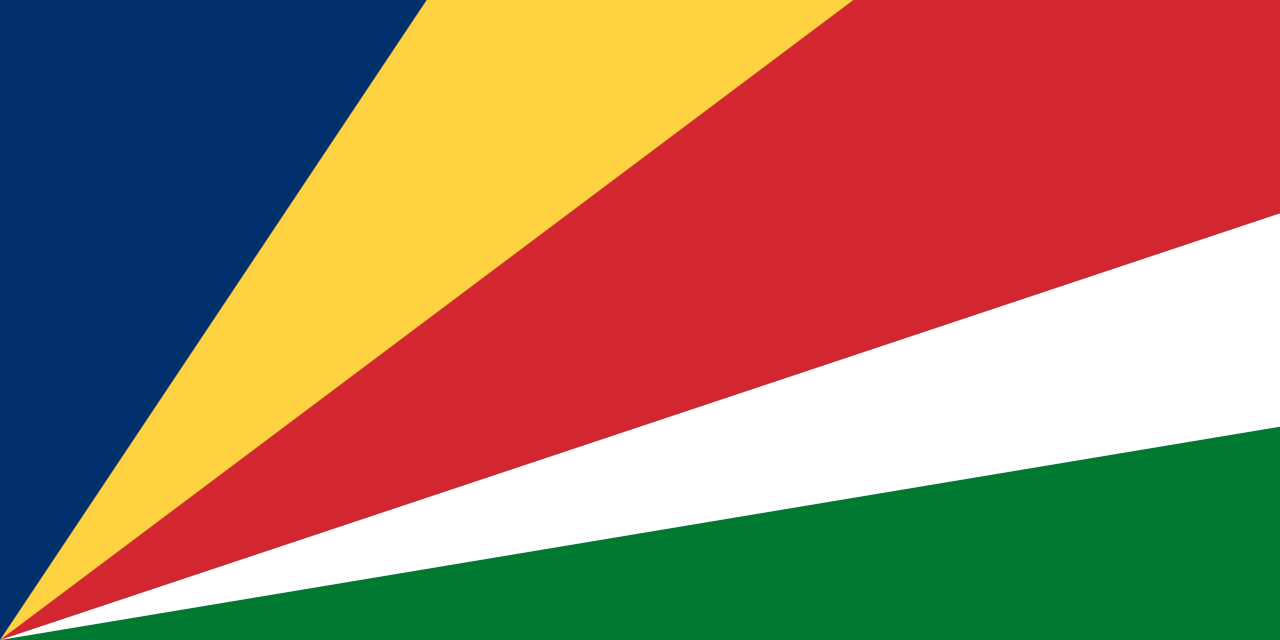
Seychelles
Geographical Isolation and Biodiversity Hotspot
Seychelles is an archipelago nation comprising 115 islands in the western Indian Ocean, situated approximately 1,500 kilometers (800 nautical miles) east of mainland Africa. This geographical isolation has fostered a remarkable level of endemic biodiversity. The islands are geologically diverse, featuring both ancient granite formations, like those found on Mahé and Praslin, and coral islands.
This unique geology supports distinct ecosystems, from lush tropical forests to pristine coral reefs. The climate is tropical, characterized by warm temperatures and distinct wet and dry seasons, influencing both its natural environment and its economy, particularly tourism and agriculture. Its status as the smallest country in Africa by land area and population underscores its unique position on the continent.
From Uninhabited Isles to Global Crossroads
Seychelles remained uninhabited until European explorers arrived in the 16th century. Its strategic location in the Indian Ocean led to competing colonial interests, primarily between France and Britain. By the early 19th century, it was under full British control.
The nation proclaimed independence from the United Kingdom in 1976. Since then, Seychelles has undergone a significant transformation from a predominantly agrarian society to a diversified, market-based economy. This transition has been marked by substantial economic growth, driven by sectors such as tourism, fisheries, and financial services, demonstrating a successful post-colonial development trajectory.
A Vibrant Cultural Mosaic
The culture of Seychelles is a fascinating synthesis of diverse influences, reflecting its history as a trading post and colonial territory. Seychellois society is an eclectic mix of French, British, Indian, and African heritage, with notable infusions of Chinese elements. This cultural amalgamation is evident in its languages, cuisine, music, and traditions.
The official languages are Seychellois Creole, French, and English, facilitating communication and cultural exchange. The nation's cultural identity is a testament to its ability to integrate various global influences into a unique and cohesive national character, contributing to its distinctiveness within Africa and the wider world.
Economic Resilience and Diversification
Seychelles has achieved remarkable economic success, particularly for a small island developing state. Its economy has diversified significantly from its agricultural roots, with tourism emerging as the primary economic driver. The country attracts visitors with its pristine beaches, unique biodiversity, and luxury resorts.
Beyond tourism, fisheries and the offshore financial services sector play crucial roles in its economy. Since independence, Seychelles has experienced substantial GDP growth, both nominally and in purchasing power parity, indicating a robust economic performance. The government actively encourages foreign investment to further bolster its economic development and maintain its high standard of living.
Governance and Democratic Progress
Seychelles operates as a republic with a multi-party democratic system. Since gaining independence, it has navigated various political structures, ultimately establishing itself as a recognized electoral democracy. Notably, Seychelles ranks highly in Africa for its democratic indices, often cited as a leading liberal democracy on the continent.
This political stability and commitment to democratic principles have been instrumental in its economic development and social progress. The nation is an active member of international organizations, including the United Nations, the African Union, and the Commonwealth of Nations, reflecting its engagement in global affairs.
Go deeper
Frequently Asked Questions
What is Seychelles and where is it located?+
How many islands make up Seychelles?+
Why does Seychelles have so many unique plants and animals?+
What languages do people speak in Seychelles?+
How does Seychelles earn its money?+
Based on content from Wikipedia · Licensed under CC BY-SA 4.0