

Science and Innovation Park
Images

Science and Innovation Park




Strategic Location and Environmental Context
The Science and Innovation Park is strategically situated near Swindon, England, occupying a substantial 545-acre (221-hectare) site. This location offers a balance between accessibility and the space required for large-scale research, development, and storage operations. While specific details on the immediate natural landscape and climate are not provided in the source, such a large site would typically be managed to accommodate its industrial and scientific functions, potentially involving land remediation or specialized environmental controls.
The park's geographical placement is crucial for its logistical operations, facilitating the movement of materials, personnel, and the vast collections it houses. Its existence represents a deliberate investment in creating a dedicated zone for innovation, separate from densely populated urban areas, allowing for focused work and expansion.
The National Collections Centre
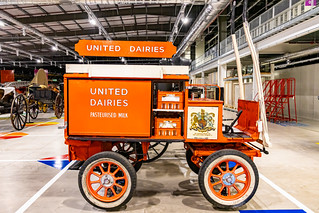
A cornerstone of the Science and Innovation Park is the National Collections Centre, operated by the Science Museum Group. This facility is not merely a repository but a critical infrastructure for safeguarding and managing approximately 80% of the group's extensive collection. This represents an immense cultural and scientific asset, encompassing artifacts, documents, and specimens that chronicle human technological and scientific progress.
The sheer volume and diversity of items stored here underscore the importance of specialized facilities for preservation, conservation, and accessibility. The centre plays a vital role in ensuring that these historical records remain intact and available for scholarly research, educational programming, and potential future exhibitions, acting as a crucial link to our collective past and scientific heritage.
A Multifaceted Economic and Operational Ecosystem
The Science and Innovation Park functions as a complex ecosystem supporting a diverse range of activities. Beyond its core role in research and development, it serves as a hub for commercial ventures, including filming and photography projects that leverage its unique infrastructure and expansive grounds. This commercial aspect contributes to the park's economic viability and diversification.
Furthermore, it provides essential, secure storage solutions for other culture sector partners, demonstrating its capacity to support a broader network of heritage organizations. This integrated model allows for efficient resource utilization and fosters collaboration between different entities, creating a dynamic environment where scientific, cultural, and commercial interests can coexist and thrive, contributing to regional economic development and specialized industry growth.
The Role of the Park in Scientific Advancement and Education
The primary mission of the Science and Innovation Park is to facilitate cutting-edge research and development. By providing specialized facilities and a conducive environment, it empowers scientists and innovators to explore new frontiers and develop groundbreaking technologies. This focus on R&D is critical for economic competitiveness and societal progress.
Moreover, its affiliation with the Science Museum Group inherently links it to educational outreach and public engagement. The collections housed within the park serve as invaluable resources for learning, inspiring future generations of scientists, engineers, and historians. The park embodies a forward-thinking approach to knowledge creation and dissemination, bridging the gap between academic research, industrial application, and public understanding of science and technology.
Governance and Future Implications
While the provided source does not detail the specific governance structure of the Science and Innovation Park itself, its operation is intrinsically linked to the Science Museum Group, a national institution. This suggests a governance framework that prioritizes scientific and cultural objectives, likely overseen by a board or executive leadership responsible for strategic direction and resource allocation. The park's existence and continued development represent a significant investment in the UK's scientific and cultural infrastructure.
Its ability to adapt to evolving research needs and technological advancements, while continuing to safeguard its vast collections, will be crucial for its long-term success and its contribution to national innovation and heritage preservation. The park stands as a model for how dedicated, large-scale facilities can foster significant progress across multiple sectors.
See also
Frequently Asked Questions
What is the Science and Innovation Park near Swindon?+
Why does the park have a National Collections Centre?+
How big is the Science and Innovation Park?+
What kinds of activities happen at the park besides science research?+
Why is the park located away from busy city areas?+
Based on content from Wikipedia · Licensed under CC BY-SA 4.0