

Sceaux, Hauts-de-Seine
Images

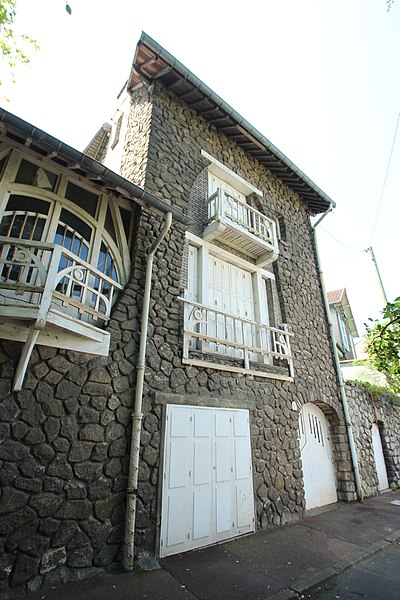
File:Villa Larrey à Sceaux (Hauts-de-Seine) le 9 juin 2016 - 1.jpg


Geographical Context and Suburban Identity
Sceaux is strategically situated within the Hauts-de-Seine department, forming a key part of the southern Parisian suburbs. Its location, precisely 9.7 kilometers (6.0 miles) from the geographic center of Paris, places it within easy commuting distance, a critical factor in the development of affluent suburbs. This proximity allows residents to access the economic and cultural opportunities of the capital while enjoying a potentially more tranquil residential environment.
The department's name, 'Hauts-de-Seine,' suggests a topographical characteristic of being elevated or situated along the Seine River, implying a landscape that may offer scenic views or a distinct microclimate compared to the flatter plains. While specific geological or ecological details are not provided, its suburban nature typically means it is a blend of developed urban areas and preserved green spaces, contributing to its desirability. The climate in this region of France is generally temperate, with distinct seasons, influenced by its continental and oceanic factors, providing a pleasant environment for its inhabitants.
Historical Trajectory and Suburban Evolution
The evolution of Sceaux into a highly affluent commune is a narrative common to many desirable suburbs surrounding major global cities. While the provided text focuses on its present-day status, its existence as a 'commune' points to a long-established administrative and social history. Over time, areas like Sceaux have transformed from potentially rural or semi-rural settlements into sought-after residential enclaves.
This transformation is often driven by factors such as improved transportation links to the city center, the desire for larger homes and more green space, and significant investment in infrastructure and amenities. The high cost of housing in Sceaux is a direct indicator of its success in attracting a wealthier demographic, suggesting a history of development that prioritized quality of life, aesthetic appeal, and exclusivity. This trajectory reflects a broader trend in urban planning where peripheral areas are developed to cater to specific socio-economic groups seeking an alternative to the density and pace of the central city.
Socio-Economic Profile
Sceaux is distinguished by its significant affluence, a defining characteristic that shapes its social fabric and economic landscape. With a population of 20,004 residents as of 2019, it represents a substantial community that has gravitated towards this prosperous locale. The commune is consistently ranked among the most affluent areas in France, a status underscored by its exceptionally high housing costs.
This economic standing implies a concentration of high-income households, professionals, and individuals who value the quality of life, security, and prestige associated with living in Sceaux. The high property values are not merely a reflection of market demand but also of the town's well-maintained public spaces, excellent local services, and desirable living environment. This socio-economic profile influences everything from local businesses to community services, creating a unique atmosphere that blends residential tranquility with sophisticated urban living.
Economic Drivers and Real Estate Dynamics
The economy of Sceaux is intrinsically linked to its status as a prime residential area, with real estate serving as its most prominent economic engine. The exceptionally high housing costs are a testament to the strong demand for property in this desirable location, driven by its affluence and proximity to Paris. This suggests a robust property market characterized by high property values and potentially significant investment in residential development and renovation.
While specific industries are not detailed, the economic activity within Sceaux likely centers on sectors that cater to a high-net-worth population. This would include a strong presence of service-based businesses, luxury retail, high-quality hospitality, and professional services such as finance, law, and consulting. The town's economic vitality is thus derived from the spending power of its residents and the value of its real estate, positioning it as a hub of wealth rather than industrial production or large-scale commerce.
Governance and Community Structure
As a commune in France, Sceaux operates under a specific system of local governance. The mayor and the municipal council are responsible for the administration and development of the town, making decisions on local services, urban planning, infrastructure, and community well-being. The affluent nature of Sceaux likely means that local government has access to a substantial tax base, enabling investment in high-quality public services, parks, and cultural facilities.
This financial capacity allows for the maintenance of the town's attractive environment and the provision of amenities that appeal to its discerning residents. The governance structure aims to preserve and enhance the quality of life that draws people to Sceaux, balancing development with the preservation of its residential character and exclusivity. The effective management of such a prosperous commune is crucial for maintaining its reputation and desirability.
See also
Frequently Asked Questions
What is Sceaux and where is it located?+
Why is Sceaux considered a fancy or wealthy town?+
How far is Sceaux from Paris and why is that important?+
What kind of environment does Sceaux have?+
How many people live in Sceaux?+
Based on content from Wikipedia · Licensed under CC BY-SA 4.0