

Scabies: The Itchy Little Critters!
Images
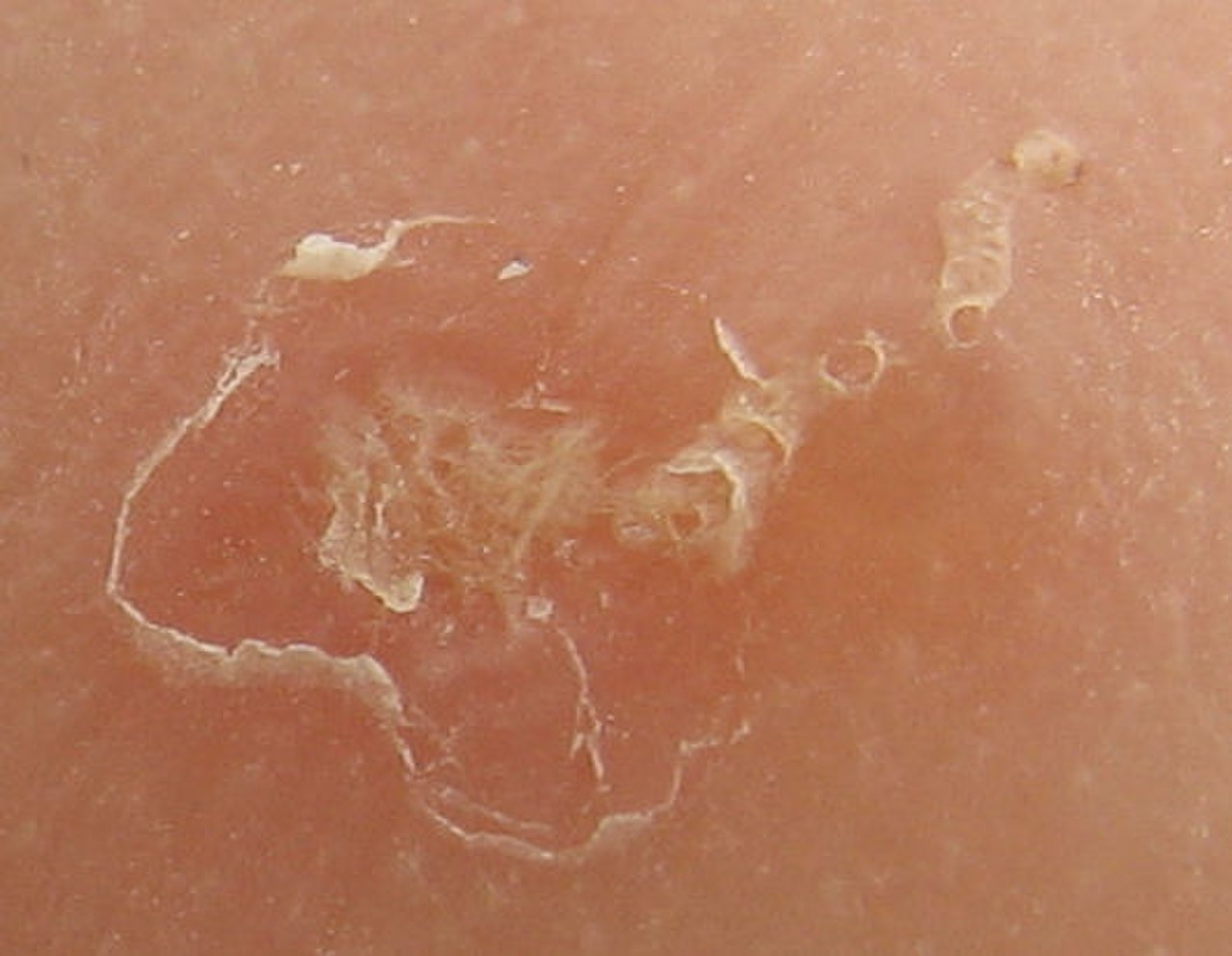
Scabies
The Microscopic Architect of Dermatitis
Scabies is a contagious dermatological disease caused by the infestation of the human skin by the mite Sarcoptes scabiei var. hominis. These microscopic arachnids, measuring approximately 0.3-0.4 mm in length, are obligate parasites of humans. The female mite excavates serpiginous burrows in the stratum corneum of the epidermis, where she deposits eggs and feces.
These burrows, often only a few millimeters to a centimeter long, are the primary sites of infestation. The intense pruritus associated with scabies is not directly caused by the physical presence of the mites but rather by a delayed hypersensitivity reaction of the host's immune system to mite antigens, including their saliva, eggs, and excrement. This reaction typically develops over 2-6 weeks in a primary infestation, but can manifest much sooner in re-infestations.
A Persistent Companion
Scabies has afflicted humanity for millennia, with archaeological evidence suggesting its presence in ancient populations. Its prevalence has historically been linked to factors such as poor hygiene, overcrowding, and poverty, making it a persistent problem in institutions like prisons, nursing homes, and refugee camps. Early attempts at treatment were largely empirical and often toxic, ranging from sulfur ointments to mercury applications.
The definitive identification of the mite as the causative agent by Bonomo and Viviani in the late 17th century marked a pivotal moment in understanding the disease. Despite advances in diagnostics and therapeutics, scabies remains a significant global public health issue, particularly in low-resource settings, where it can cause substantial morbidity and social stigma.
The Immunological Basis of Pruritus and Lesion Formation
The hallmark symptom of scabies is severe itching (pruritus), which is predominantly nocturnal. This pruritus is a complex immunological response. The host's immune system reacts to various mite-derived antigens, including proteins in mite feces, saliva, and body fluids, as well as the physical presence of the mites and their eggs within the epidermal burrows.
This triggers a type 1 and type 4 hypersensitivity reaction, leading to the release of inflammatory mediators like histamine and cytokines, which stimulate sensory nerves and induce the sensation of itching. The characteristic lesions include burrows, papules, vesicles, and excoriations from scratching. In immunocompromised individuals or those with prolonged infestations, a hyperkeratotic form known as crusted (or Norwegian) scabies can develop, characterized by thick crusts containing millions of mites, posing a high risk of transmission.
Diagnostic Challenges and Therapeutic Strategies
Diagnosis of scabies can be challenging, especially in early stages or atypical presentations, as the signs can mimic other dermatological conditions. Definitive diagnosis relies on microscopic identification of mites, eggs, or mite feces (scybala) from skin scrapings, often visualized using dermoscopy. However, clinical diagnosis based on characteristic rash distribution and intense pruritus is common.
First-line treatments typically involve topical acaricides, such as permethrin cream or lindane lotion, which are applied to the entire body and left on for a specified period. Oral ivermectin is an effective alternative, particularly for widespread infestations or when topical therapy is impractical. Management also requires treating all close contacts simultaneously to prevent re-infestation and addressing secondary bacterial infections that may arise from excoriations.
Beyond the Itch
The impact of scabies extends beyond the physical discomfort. The intense itching and visible rash can lead to significant social stigma, affecting individuals' self-esteem and social interactions. In endemic areas, recurrent scabies can contribute to a cycle of skin disease and secondary infections, such as impetigo and acute post-streptococcal glomerulonephritis, which have serious long-term health consequences.
Economically, scabies imposes a burden through healthcare costs, lost productivity due to illness, and the need for repeated treatments. Understanding its transmission dynamics and implementing effective control strategies, including public education and accessible treatment, are crucial for mitigating its widespread impact on global health.
See also
Frequently Asked Questions
What are scabies mites and how big are they?+
Why does scabies make you itch so much?+
How do doctors find scabies on the skin?+
What can people do to get rid of scabies?+
Where does scabies usually spread and why?+
Based on content from Wikipedia · Licensed under CC BY-SA 4.0