

SARS: The Sneaky Germ
Images

SARS


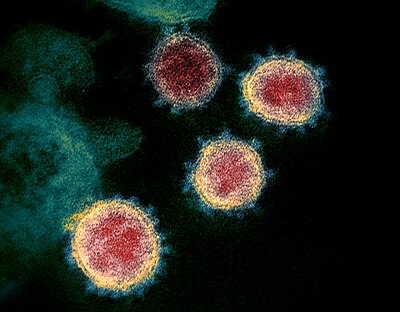

The Emergence of a Novel Pathogen
Severe Acute Respiratory Syndrome (SARS) represents a significant event in modern public health history, characterized by a novel coronavirus, SARS-CoV. This virus, belonging to the Coronaviridae family, emerged in late 2002 and rapidly spread globally, causing a severe respiratory illness with a high case fatality rate, particularly among older individuals and those with comorbidities. The clinical presentation typically includes fever, cough, shortness of breath, and often progresses to pneumonia and acute respiratory distress syndrome (ARDS).
The rapid onset and severity of symptoms, coupled with efficient human-to-human transmission, distinguished SARS from common respiratory infections and posed a formidable challenge to healthcare systems worldwide. Understanding its pathogenesis, including how the virus infects cells and triggers an inflammatory response, was crucial for developing effective countermeasures.
Zoonotic Origins and the Animal-Human Interface
The epidemiological investigation into SARS revealed a clear zoonotic origin. Extensive research pointed to bats as the natural reservoir for the SARS-related coronavirus. The virus is believed to have spilled over into intermediate hosts, with masked palm civets playing a significant role in the initial human transmission events observed in the live animal markets of Guangdong province, China.
This animal-to-human transmission, or zoonotic spillover, underscores the critical importance of studying the animal-human interface in disease emergence. Factors such as habitat destruction, wildlife trade, and agricultural intensification can increase the likelihood of such cross-species transmissions, making surveillance of animal populations a vital component of pandemic preparedness. The SARS outbreak served as a stark reminder of the interconnectedness of human and animal health.
Epidemiological Dynamics and Global Containment Strategies
The SARS outbreak of 2002-2003 demonstrated the potential for rapid global dissemination of novel infectious agents in an increasingly interconnected world. The virus spread efficiently through respiratory droplets and close contact, with super-spreading events playing a significant role in amplifying transmission. A traveler from Guangdong, China, is thought to have initiated the outbreak in Hong Kong, leading to subsequent international spread to over two dozen countries.
The World Health Organization (WHO) played a pivotal role in coordinating the global response, issuing alerts and providing guidance on containment measures. Strategies included rigorous contact tracing, isolation of confirmed cases, quarantine of exposed individuals, and enhanced infection control protocols in healthcare settings. The successful containment of SARS, achieved without a specific antiviral treatment or vaccine, highlighted the power of public health interventions and international cooperation.
The Scientific Race
The identification of the SARS virus was a remarkable scientific achievement, accomplished in a remarkably short period. Within weeks of the outbreak's recognition, multiple research teams around the world successfully isolated and identified the causative agent as a novel coronavirus. This rapid discovery was facilitated by advancements in molecular biology, particularly polymerase chain reaction (PCR) techniques, and international collaboration.
The sequencing of the SARS-CoV genome provided invaluable insights into its genetic makeup, evolutionary origins, and potential mechanisms of pathogenesis. This foundational knowledge was essential for developing diagnostic tests, understanding viral transmission, and laying the groundwork for future vaccine and therapeutic development, setting a precedent for rapid response to emerging infectious diseases.
Legacy of SARS
The SARS outbreak, despite its relatively limited scale compared to later pandemics, left an indelible mark on global health security. It served as a critical wake-up call, prompting significant investments in infectious disease surveillance, research, and preparedness infrastructure. The experience led to the strengthening of international health regulations, improved communication protocols between nations and the WHO, and a greater emphasis on rapid response capabilities.
Furthermore, the scientific advancements made during the SARS crisis, particularly in understanding coronaviruses and rapid diagnostic development, provided a crucial foundation for responding to subsequent outbreaks, including the COVID-19 pandemic. The lessons learned from SARS continue to inform strategies aimed at preventing, detecting, and responding to emerging infectious threats.
See also
Frequently Asked Questions
What is SARS?+
Why did SARS spread so quickly around the world?+
How did scientists find out what caused SARS?+
Where did the SARS virus first come from?+
What did doctors and governments do to stop SARS?+
Based on content from Wikipedia · Licensed under CC BY-SA 4.0