

Salami
Images
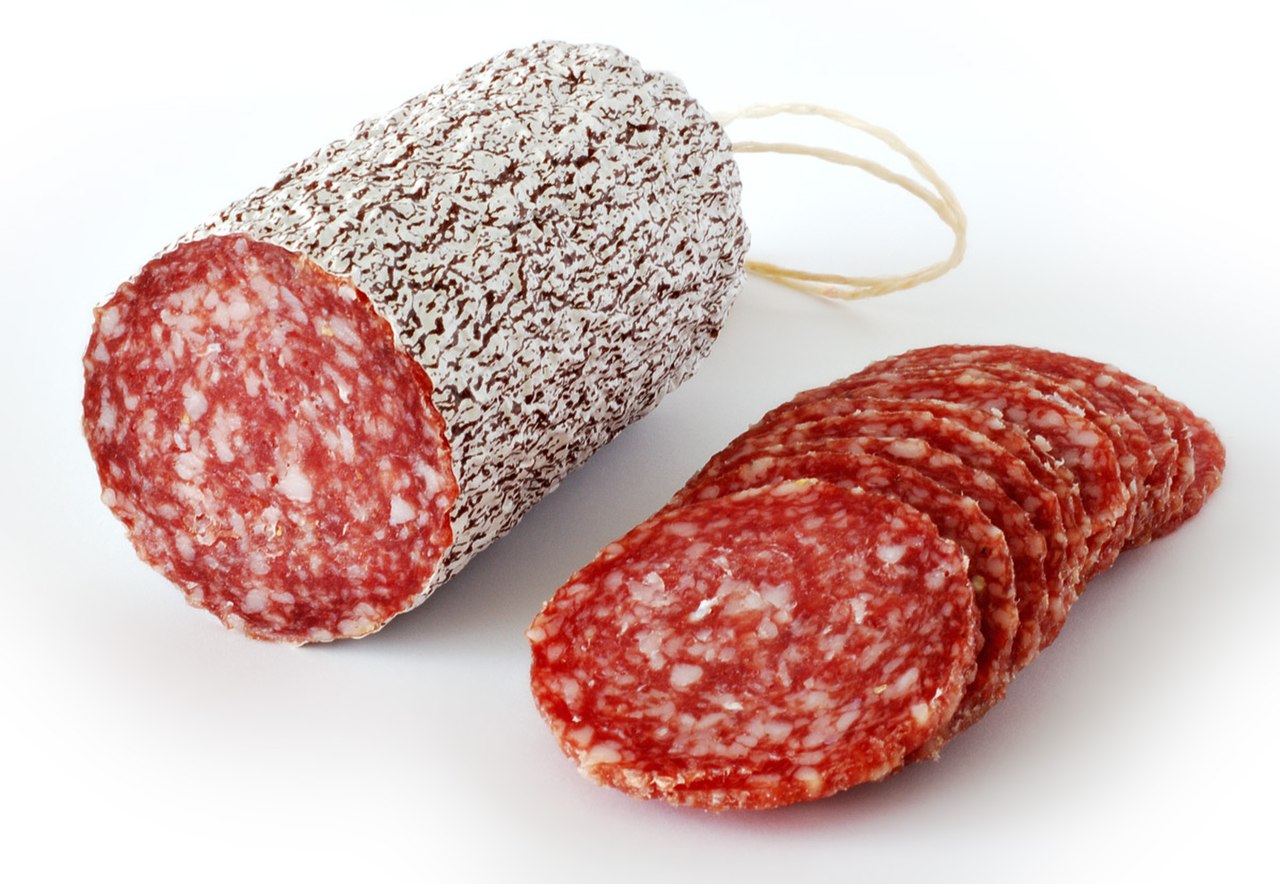
Salami aka


The Socioeconomic Significance of Salami in European History
Salami's enduring presence in European cuisine is inextricably linked to its role as a vital food preservation technology, particularly for agrarian societies. Historically, the ability to transform perishable meat into a stable, long-lasting product was revolutionary. For peasants and rural populations across Southern, Eastern, and Central Europe, salami represented a crucial buffer against food insecurity.
In eras predating refrigeration, the spoilage of fresh meat posed a constant threat, especially during periods of scarcity or harsh weather. Salami's capacity to remain edible at room temperature for extended periods, up to 45 days once cut, meant it could supplement diets, provide sustenance during travel, and allow for the efficient utilization of slaughtered animals. This made it an indispensable component of the peasant diet, offering a reliable source of protein and fat that could be stored and consumed as needed.
Its economic value lay in its ability to extend the usability of a precious resource, contributing significantly to the dietary stability and survival of many communities.
Evolution of Salami
The journey of salami from a basic preservation method to a celebrated culinary art form is a testament to centuries of cultural exchange and innovation. While the fundamental principles of fermentation and air-drying remain constant, the specific techniques, ingredients, and aging processes have diverged significantly across European regions, giving rise to a vast spectrum of traditional varieties. Each country and locale has developed its own distinct salami, influenced by local agricultural practices, available spices, and cultural preferences.
For instance, Italian salamis are renowned for their fine grinds and diverse spice profiles, while Spanish salamis often feature paprika, imparting a characteristic smoky flavor. This regional specialization reflects a deep connection to place and tradition, where salami-making became a craft passed down through generations. The development of specific starter cultures, curing salts, and aging environments has further refined these artisanal products, transforming them from mere sustenance into highly prized delicacies appreciated for their complex flavors and textures.
The Biochemical Underpinnings of Salami Production
The transformation of raw meat into shelf-stable salami is a sophisticated interplay of biochemical processes, primarily fermentation and dehydration. The initial step involves the addition of salt and a carefully selected starter culture, typically lactic acid bacteria (LAB). These microorganisms initiate fermentation by metabolizing carbohydrates present in the meat, producing lactic acid.
This acidification lowers the pH of the product, creating an environment that inhibits the growth of spoilage-causing pathogens and contributes to the characteristic tangy flavor. Simultaneously, enzymes naturally present in the meat begin to break down proteins and fats, developing complex flavor compounds and aromas. The subsequent air-drying phase is critical for reducing moisture content.
As water is removed, the salami becomes firmer, and the concentration of solutes (salt, acids, flavor compounds) increases, further enhancing its preservation qualities. This controlled dehydration also allows for the maturation of flavors and textures, resulting in the dense, dry consistency and rich taste profile that defines finished salami. The entire process requires precise control over temperature, humidity, and time to ensure safety and optimal sensory qualities.
Global Variations and Modern Interpretations of Salami
The concept of fermented and air-dried sausage, embodied by salami, has transcended its European origins to become a globally recognized food category. While traditional European varieties remain highly esteemed, modern culinary trends have seen the emergence of new interpretations and adaptations. Chefs and food producers worldwide experiment with different meat bases, including beef, lamb, and even game meats, alongside novel spice blends and flavor infusions.
This global reach means that salami is no longer confined to its historical context; it is a dynamic food product that continues to evolve. Furthermore, the rise of artisanal food movements has led to a renewed appreciation for traditional methods and high-quality ingredients, driving demand for authentic regional salamis. The study of salami's diverse forms offers insights into global foodways, agricultural practices, and the enduring human drive to preserve and enhance food through traditional techniques, now often augmented by scientific understanding and technological advancements.
See also
Frequently Asked Questions
What is salami?+
Why did people make salami a long time ago?+
How does salami stay fresh?+
Where do different kinds of salami come from?+
How long can salami last after it’s sliced?+
Based on content from Wikipedia · Licensed under CC BY-SA 4.0