

Rubble: Rocks That Tell a Story!
Images

Rubble

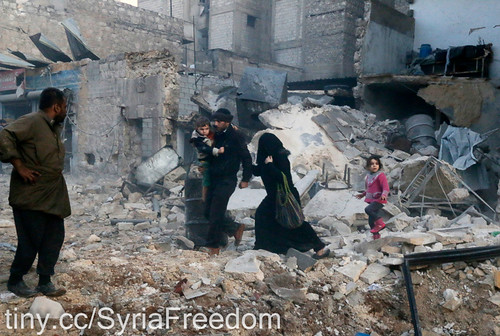


The Genesis and Characterization of Rubble
Rubble, defined as broken stone of irregular size, shape, and texture, represents a ubiquitous geological material. Its undressed nature distinguishes it from quarried or dressed stone, often serving as a filling material. Naturally occurring rubble, sometimes referred to as 'brash,' is an integral component of soil profiles, becoming more apparent with agricultural or constructional disturbance.
The formation of rubble is a multifaceted process rooted in geological time. Primary mechanisms include physical weathering, such as freeze-thaw cycles (frost wedging) and thermal expansion, which fracture bedrock. Chemical weathering, involving the dissolution or alteration of minerals, also contributes to rock disintegration.
Furthermore, gravitational forces, like rockfalls and landslides, generate significant volumes of rubble. Human activities, particularly mining, quarrying, and demolition, are also major anthropogenic sources of rubble, often producing materials with specific characteristics depending on the original rock type and the method of fragmentation.
Rubble's Enduring Role in Human Habitation and Infrastructure
The utility of rubble spans the entirety of human civilization. Historically, its ready availability and low cost made it an indispensable building material. Early settlements and fortifications frequently employed rubble for foundational layers and core infill, providing structural integrity where more refined materials were scarce.
This practice persisted through medieval periods and beyond, with rubble forming the bulk of many ancient walls and structures, often faced with more decorative stonework. In modern construction, rubble continues to be vital, albeit often processed. Crushed rubble serves as aggregate for concrete, a fundamental component of contemporary infrastructure.
It is also extensively used as fill material for road construction, landscaping, and site leveling. The recycling of demolition waste into usable rubble is a growing practice, contributing to sustainable construction by reducing the demand for virgin materials and diverting waste from landfills. The sheer volume of rubble generated by demolition and construction underscores its ongoing significance in shaping our built environment.
Environmental Dynamics and Ecological Interactions of Rubble
The presence of rubble, both natural and anthropogenic, has tangible environmental implications. In natural settings, rubble within soil profiles significantly influences hydrological processes. The interstitial spaces between irregular stones enhance permeability and drainage, mitigating waterlogging and promoting aeration, which is crucial for root development and soil microbial activity.
This improved drainage can also reduce the risk of surface runoff and associated soil erosion. Rubble formations can also create microhabitats, offering shelter and substrate for various plant and animal species, contributing to local biodiversity. In urban and disturbed landscapes, large accumulations of rubble can impact soil temperature, moisture retention, and vegetation establishment.
Furthermore, the management of construction and demolition waste, a primary source of anthropogenic rubble, presents environmental challenges related to disposal, resource recovery, and potential contamination. Understanding these interactions is key to sustainable land management and resource utilization.
From Geological Byproduct to Essential Resource
Rubble transcends its simple definition as mere broken stone; it is a material deeply embedded in both natural geological cycles and human technological advancement. Its formation is a continuous process, a testament to the dynamic nature of the Earth's crust. Its utilization highlights human ingenuity in harnessing readily available resources for shelter, infrastructure, and societal development.
The historical trajectory of rubble usage, from rudimentary ancient foundations to its role as a recycled aggregate in advanced concrete mixes, showcases its adaptability and enduring value. As we continue to build and rebuild our world, the efficient and sustainable management of rubble, recognizing its potential as both a geological remnant and a valuable construction resource, remains a critical consideration for environmental stewardship and economic efficiency.
Go deeper
Frequently Asked Questions
What is rubble?+
How does rubble form?+
Why do people use rubble in buildings?+
Where can rubble be found?+
What happens to rubble after construction ends?+
Based on content from Wikipedia · Licensed under CC BY-SA 4.0