

Roti Buaya: The Yummy Crocodile Bread!
Images
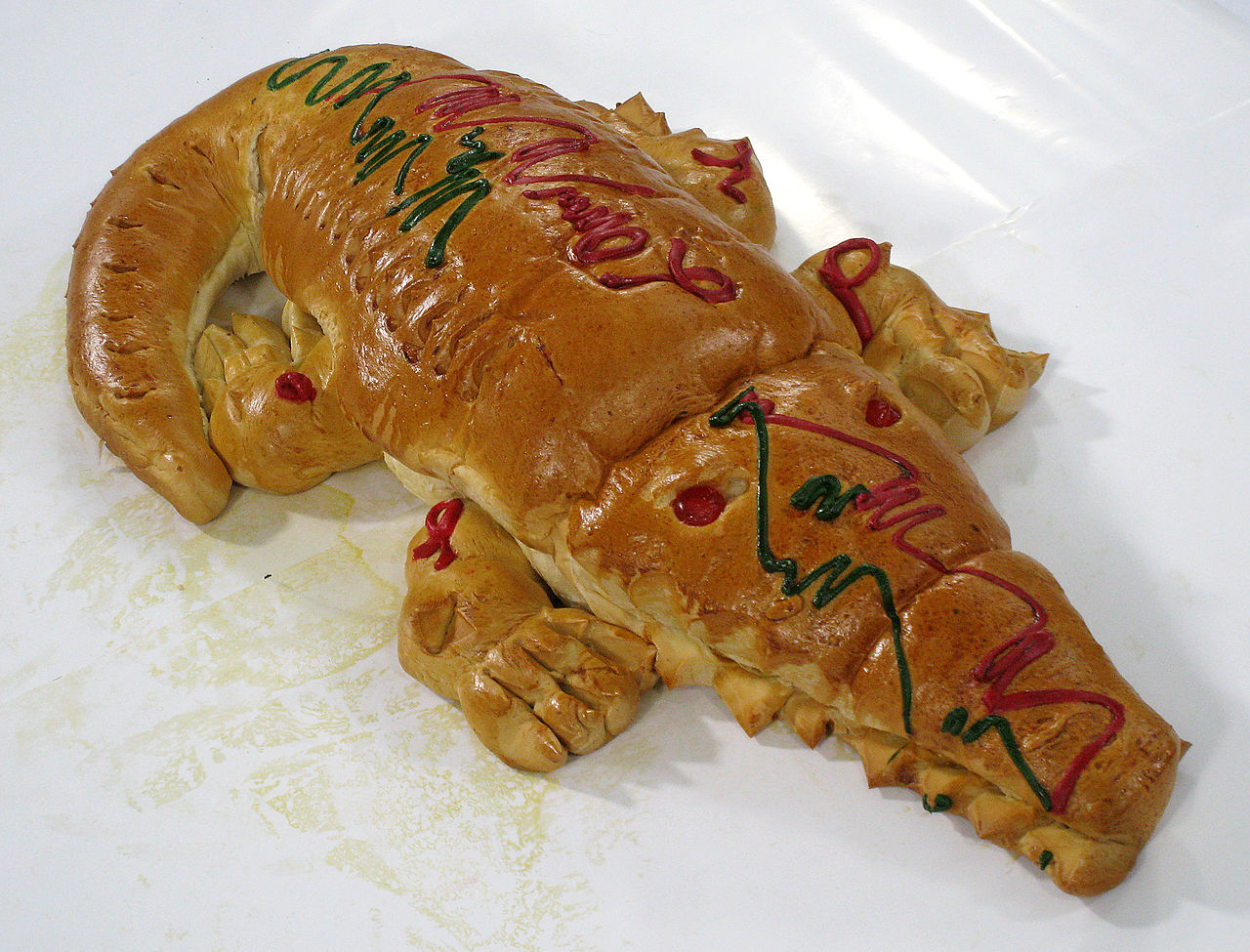
Roti Buaya


The Genesis and Evolution of Roti Buaya
Roti Buaya, translating to 'crocodile bread,' is a unique culinary tradition deeply embedded within the Betawi culture of Jakarta, Indonesia. Its origins are intertwined with the historical development of the Betawi people, who are descendants of various ethnic groups that settled in Jakarta over centuries. While precise historical records detailing the exact inception of Roti Buaya are scarce, its consistent presence at traditional Betawi weddings suggests a long-standing cultural practice.
The choice of the crocodile as a motif is not arbitrary; it reflects indigenous symbolism and beliefs. In many cultures, including those that influenced the Betawi, animals often carry significant symbolic weight. The crocodile, known for its perceived longevity and strong pair-bonding, became an apt metaphor for the desired qualities of a marital union: enduring commitment, unwavering loyalty, and a lifelong partnership.
This tradition likely evolved as a way to visually and tangibly bless new marriages, embedding cultural values into a celebratory food item.
Symbolic Resonance
The profound symbolism of Roti Buaya elevates it beyond a mere wedding confection to a potent emblem of marital commitment. The crocodile's natural behaviors, particularly its reputed monogamy and fierce protectiveness of its mate and offspring, are interpreted as ideals for a successful marriage. By presenting Roti Buaya, the groom's family, and by extension the community, bestows upon the couple a wish for a relationship characterized by steadfast fidelity and enduring love.
This act is a public declaration of support and a cultural reinforcement of the sanctity of marriage. The bread's form serves as a constant, edible reminder of the vows exchanged and the lifelong journey the couple is embarking upon. It’s a cultural narrative baked into dough, communicating expectations and blessings in a universally understood language of food and symbolism.
The Craft of Creation
The creation of Roti Buaya is a testament to both culinary skill and cultural reverence. The process begins with a carefully formulated sweet dough, typically comprising flour, sugar, yeast, and often enriched with eggs and butter to achieve a tender crumb and pleasant flavor. The defining characteristic, however, lies in the meticulous shaping.
Bakers, often with generations of experience, artfully sculpt the dough into the recognizable form of a crocodile. This can involve creating a single, large bread or two complementary pieces that symbolize the couple. The precision required to capture the essence of the crocodile – its elongated body, tail, and head – is a skill passed down through families.
Once shaped, the bread undergoes baking until it achieves a desirable golden-brown exterior, signaling its readiness. The final product is not just a baked good but a handcrafted artifact imbued with cultural meaning, ready to be presented as a significant element of the wedding ceremony.
Roti Buaya's Integral Role in Betawi Wedding Rituals
Within the intricate tapestry of Betawi wedding ceremonies, Roti Buaya occupies a position of significant ritualistic importance. It is traditionally presented by the groom's family to the bride's family, often as part of the formal proposal or as a symbolic offering during the engagement period. This act signifies the groom's commitment and the formal acceptance of the union by both families.
The bread is not merely a gift but a cultural token that underscores the values of loyalty and permanence that the Betawi community cherishes in marriage. Its presence at the wedding feast reinforces these cultural tenets, serving as a visual anchor for the ceremony and a conversation starter about the enduring nature of commitment. In essence, Roti Buaya functions as a tangible representation of the community's collective blessing and the profound expectations placed upon the marital bond.
Contemporary Relevance and Cultural Preservation
In contemporary Jakarta and among the global Betawi diaspora, Roti Buaya continues to be a cherished tradition, though its practice may vary. While modernization and globalization introduce new influences, the symbolic power of Roti Buaya ensures its survival. It serves as a vital link to cultural heritage, offering younger generations a tangible connection to their ancestral customs.
Efforts to preserve this tradition involve not only the continuation of baking practices but also the education of younger people about the historical and symbolic significance of this unique bread. As Betawi culture evolves, Roti Buaya stands as a testament to the enduring human desire for meaningful rituals and the powerful way food can encapsulate and transmit cultural values across generations, reinforcing the importance of loyalty and commitment in relationships.
See also
Frequently Asked Questions
What is Roti Buaya?+
Why is it shaped like a crocodile?+
How is Roti Buaya made?+
Where is Roti Buaya given during a wedding?+
What does Roti Buaya symbolize for the couple?+
Based on content from Wikipedia · Licensed under CC BY-SA 4.0