

Rolls-Royce: Supercars and Flying Machines!
Images

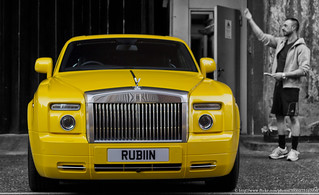
Geneva Motor Show 2011 - Rolls Royce Badge




The Genesis of a Luxury Icon
Rolls-Royce Limited was established in 1906, emerging from the visionary partnership of Charles Rolls, a pioneering motorist, and Henry Royce, a brilliant engineer. Their shared ambition was to transcend mere automotive manufacturing, aiming instead to produce vehicles that embodied the zenith of quality, performance, and refinement. The early Rolls-Royce cars, such as the legendary Silver Ghost, quickly became benchmarks for the industry.
They were characterized by their robust construction, advanced engineering for the era, and an almost uncanny quietness and smoothness of operation. This meticulous attention to detail, including hand-finishing and rigorous testing, cultivated an aura of exclusivity and desirability. The brand became intrinsically linked with wealth, status, and an uncompromising standard of luxury, attracting a global clientele that valued prestige and engineering excellence above all else, setting a precedent for ultra-luxury vehicles that continues to influence the market.
Propelling Progress
Beyond the realm of luxury cars, Rolls-Royce demonstrated remarkable foresight by venturing into the nascent field of aviation. The company's engineering acumen proved equally adept at designing and manufacturing powerful and reliable aircraft engines. This diversification was not merely opportunistic; it was driven by a commitment to pushing technological boundaries.
Rolls-Royce engines became integral to the development of aviation, powering numerous aircraft, particularly during periods of significant global conflict where their dependability was paramount. Innovations like the Merlin engine, famously used in the Supermarine Spitfire during World War II, underscore the company's critical contributions to aerospace history. This dual focus on automotive luxury and aerospace propulsion cemented Rolls-Royce's reputation as a multifaceted engineering powerhouse.
Engineering Philosophy
The enduring appeal and reputation of Rolls-Royce stem from a deeply ingrained engineering philosophy centered on absolute perfection. In automotive terms, this manifested in features designed to isolate occupants from the road's imperfections, creating an environment of serene tranquility. The legendary quietness of their engines was not an accident but a deliberate design goal, achieved through sophisticated engineering and precision manufacturing.
For aircraft engines, this philosophy translated into unparalleled reliability and performance under extreme conditions. Every component was scrutinized, every process optimized to ensure that the final product met the highest possible standards. This relentless dedication to quality assurance and continuous improvement became the hallmark of the Rolls-Royce name, distinguishing its products in highly competitive markets.
Corporate Evolution and Enduring Brand Identity
The history of Rolls-Royce Limited is also a story of corporate evolution. Over the decades, the company underwent significant restructuring. The automotive division was eventually separated from the aerospace and industrial power systems division.
Today, the Rolls-Royce car brand continues its legacy of ultra-luxury vehicles under different ownership, maintaining its association with opulence and bespoke craftsmanship. Meanwhile, the Rolls-Royce (the engineering company) remains a global leader in aerospace propulsion, power systems, and solutions, powering a significant portion of the world's commercial aircraft and contributing to advancements in energy and defense. This bifurcation highlights how the original company's core competencies in precision engineering and brand prestige have sustained relevance across distinct, yet demanding, industrial sectors.
The Rolls-Royce Impact
The significance of Rolls-Royce extends beyond the tangible products it created. The company served as a crucible for innovation, fostering advancements in metallurgy, engine design, and manufacturing techniques that had ripple effects across multiple industries. Its commitment to setting and exceeding benchmarks for quality and performance influenced engineering standards globally.
Furthermore, the Rolls-Royce name became a cultural touchstone, representing aspiration, achievement, and the pinnacle of human ingenuity in both personal transport and technological exploration. The brand's ability to maintain its prestige and relevance through significant historical shifts and corporate transformations is a testament to the enduring power of its foundational principles of engineering excellence and uncompromising quality.
See also
Based on content from Wikipedia · Licensed under CC BY-SA 4.0