

Restaurant
Images
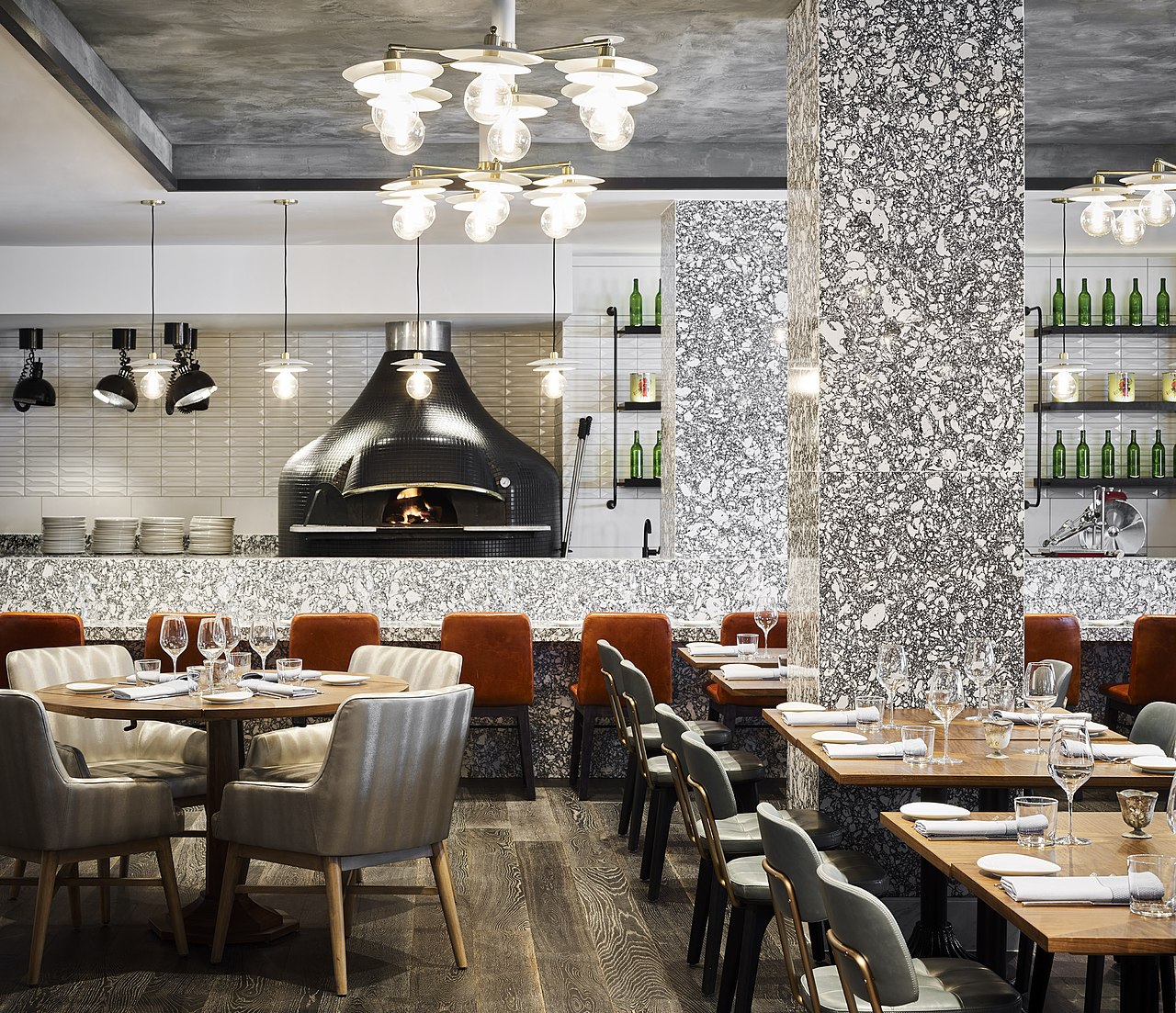
Restaurant
The Genesis of the Modern Restaurant
The concept of communal dining and food service has ancient roots, seen in Roman thermopolia and medieval inns. However, the modern restaurant, characterized by a diverse menu and individual ordering, emerged in 18th-century France. Prior to this, establishments like taverns and inns primarily offered lodging and set meals, often of simple fare.
The pivotal shift occurred with the rise of 'restoratives' – rich, nourishing broths sold by street vendors, which lent the 'restaurant' its name, implying a place to be 'restored' to health. By the late 18th century, entrepreneurs began opening establishments that offered a wider selection of dishes, allowing patrons to choose their meals from a written list, a radical departure from the communal, fixed-price meals of the past. This innovation democratized dining, moving it beyond the exclusive domain of aristocratic banquets and into a more accessible, albeit still somewhat exclusive, public sphere.
The French Revolution further accelerated this evolution, as displaced chefs from noble households opened their own eateries, contributing to a burgeoning culinary landscape.
Operational Dynamics
The successful operation of a restaurant is a testament to intricate coordination between its back-of-house (kitchen) and front-of-house (dining area) teams. The kitchen is a highly organized environment, often segmented into stations like garde manger (cold foods), saucier (sauces), entremetier (vegetables and starches), and rotisseur (roasts). This specialization, driven by efficiency and quality control, allows for the simultaneous preparation of multiple complex dishes.
Chefs, sous chefs, and line cooks must possess not only technical skill but also the ability to perform under immense pressure, especially during peak service hours. Simultaneously, the front-of-house staff orchestrates the guest experience. Hosts manage seating and reservations, servers guide guests through the menu, anticipate needs, and ensure timely delivery of food and beverages, while bartenders craft drinks.
Effective communication between these two spheres is paramount, often facilitated by technology like order-taking systems and kitchen display systems, ensuring that the culinary vision is seamlessly translated into a memorable dining experience for the customer.
Socio-Economic Significance
Restaurants are integral components of the modern socio-economic fabric. Economically, they are significant job creators, employing millions globally in roles ranging from entry-level service positions to highly skilled culinary professions. They stimulate local economies by purchasing goods and services from suppliers, including agricultural producers, thereby supporting broader supply chains.
Culturally, restaurants serve as vital social spaces, facilitating community interaction, celebrating diverse traditions through cuisine, and acting as venues for significant life events and business dealings. They are often crucibles of culinary innovation, where chefs experiment with new ingredients, techniques, and presentations, influencing global food trends. Furthermore, the restaurant industry plays a role in cultural exchange, introducing diverse culinary traditions to new audiences and fostering a greater appreciation for global gastronomy.
The presence and variety of restaurants can also significantly contribute to a city's or region's appeal and tourism.
The Spectrum of Dining
The contemporary restaurant landscape is characterized by an extraordinary diversity of formats, catering to a vast array of consumer needs and preferences. Fast-food establishments, with their emphasis on speed, standardization, and affordability, represent a dominant force in global dining, offering convenience and accessibility. At the opposite end of the spectrum lies fine dining, which prioritizes an immersive, high-quality experience through sophisticated cuisine, meticulous service, and refined ambiance, often commanding premium prices.
Between these poles exist numerous categories: casual dining restaurants offering a relaxed atmosphere with table service; ethnic eateries specializing in authentic cuisines like Japanese, Mexican, or Indian; themed restaurants that leverage a specific concept or decor; and cafes and bistros focusing on lighter fare and beverages. This segmentation allows restaurants to target specific market niches, from budget-conscious students to discerning gourmands, reflecting and shaping contemporary consumer culture and culinary exploration.
Go deeper
Based on content from Wikipedia · Licensed under CC BY-SA 4.0