

Reptiles: The Coolest Crawlers!
Images
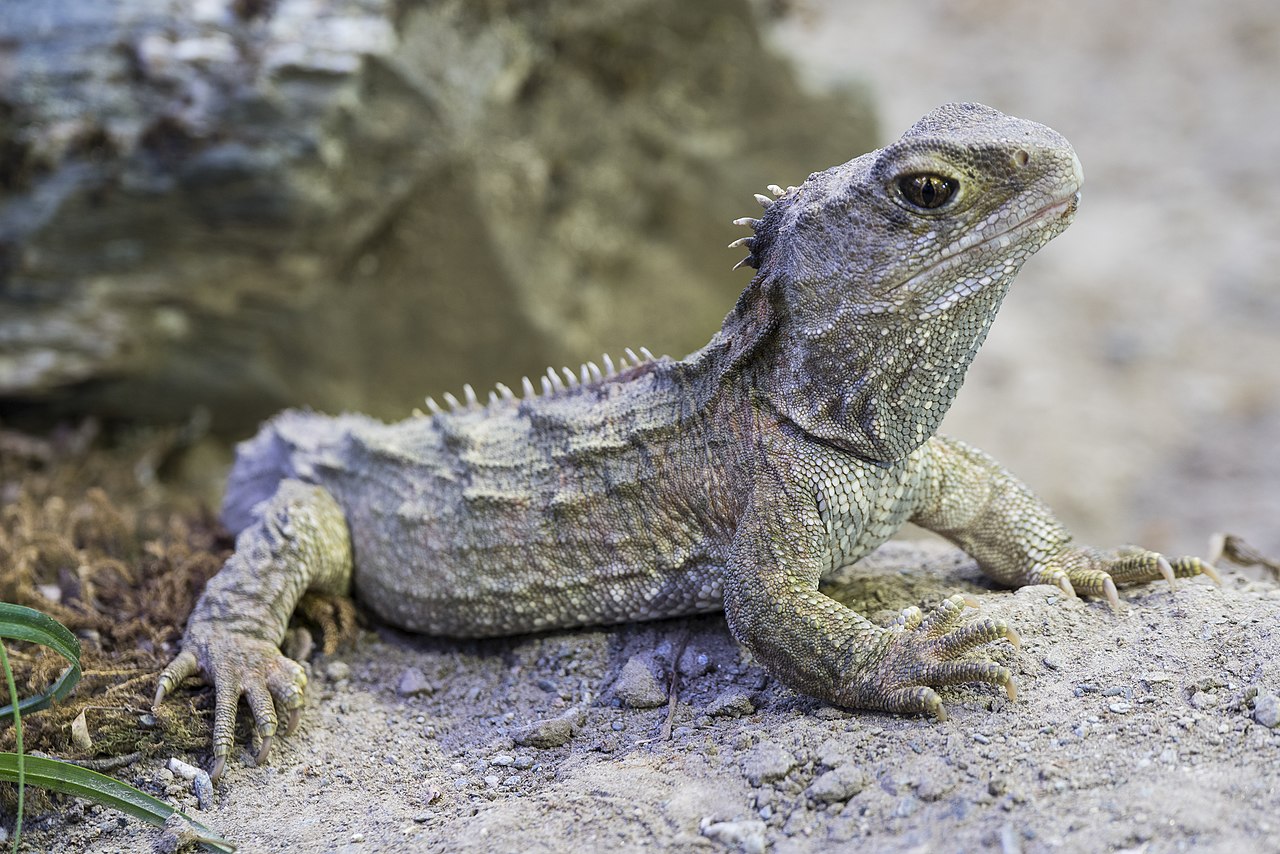
Reptile


Reptilian Origins
The class Reptilia, encompassing turtles, crocodilians, snakes, lizards, and the tuatara, represents a pivotal evolutionary lineage that transitioned vertebrates from aquatic to terrestrial life. Emerging during the Carboniferous period, approximately 312 million years ago, reptiles developed key innovations that facilitated this monumental shift. Foremost among these was the amniotic egg, a self-contained aquatic environment that allowed for reproduction away from water bodies, freeing them from dependence on moist habitats for breeding.
Their skin, covered in keratinous scales, provided a robust barrier against desiccation, a critical adaptation for life on land. Furthermore, their respiratory system, primarily relying on lungs, became more efficient than the gills of their amphibian ancestors. This suite of adaptations allowed early reptiles to diversify and exploit a wide range of terrestrial niches, laying the groundwork for their subsequent evolutionary radiation and dominance throughout the Mesozoic Era, often referred to as the 'Age of Reptiles'.
Global Colonization
Reptiles have achieved remarkable global distribution, inhabiting nearly every terrestrial and aquatic biome on Earth, with the exception of the polar regions. Their ectothermic nature, while requiring external heat, allows for incredible metabolic efficiency, enabling them to survive on less food than endothermic animals of similar size. This characteristic has led to diverse adaptations for thermoregulation; desert species often exhibit crepuscular or nocturnal activity patterns and burrowing behaviors to avoid extreme heat, while tropical species may seek shade or water.
Aquatic reptiles, such as sea turtles and marine iguanas, possess specialized physiological and morphological traits for osmoregulation and locomotion in saline environments. The ability to inhabit such a broad spectrum of environments, from arid deserts to dense rainforests and open oceans, underscores their evolutionary plasticity and ecological success.
Dietary Niches and Ecological Roles
The dietary spectrum within Reptilia is exceptionally broad, encompassing herbivory, carnivory, and omnivory, allowing them to occupy diverse trophic levels within ecosystems. Herbivorous reptiles, like many tortoises and iguanas, play significant roles in seed dispersal and vegetation management. Carnivorous species, ranging from insectivorous lizards to apex predators like crocodiles and large constrictor snakes, are crucial in controlling populations of prey animals, thereby maintaining ecological balance.
Omnivorous reptiles contribute to nutrient cycling and can act as both predators and prey. The specialized diets of certain species, such as the chameleon's reliance on insects or the sea turtle's consumption of jellyfish, highlight intricate co-evolutionary relationships and their specific ecological functions within their respective food webs. Their presence or absence can significantly impact the structure and stability of ecosystems.
Conservation Imperatives
Despite their long evolutionary history and adaptability, a significant proportion of extant reptile species are facing unprecedented threats, leading to widespread population declines and numerous listings under conservation status categories such as Vulnerable, Endangered, and Critically Endangered. Habitat destruction and fragmentation, driven by agricultural expansion, urbanization, and resource extraction, represent the primary threat, reducing available living space and food resources.
Climate change poses a further challenge, altering temperature regimes critical for thermoregulation and sex determination in many species. The illegal wildlife trade, targeting reptiles for the pet trade, traditional medicine, or food, also exerts immense pressure on vulnerable populations. Addressing these multifaceted threats requires concerted global conservation efforts, including habitat protection and restoration, captive breeding programs, and robust policy enforcement to ensure the survival of these ancient and ecologically vital creatures for future generations.
Go deeper
Frequently Asked Questions
What makes reptiles special compared to other animals?+
How do reptiles keep warm or cool in hot deserts?+
What do reptiles eat and why is it important?+
Why do sea turtles live in the ocean?+
Are reptiles endangered?+
Based on content from Wikipedia · Licensed under CC BY-SA 4.0