

Regional Languages: Our World's Talking Treasures!
Images

DSC_7790
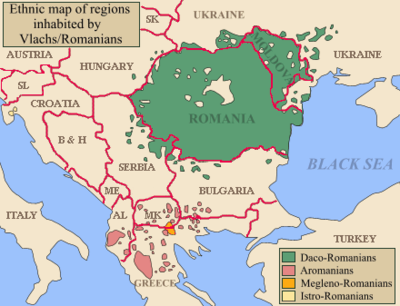


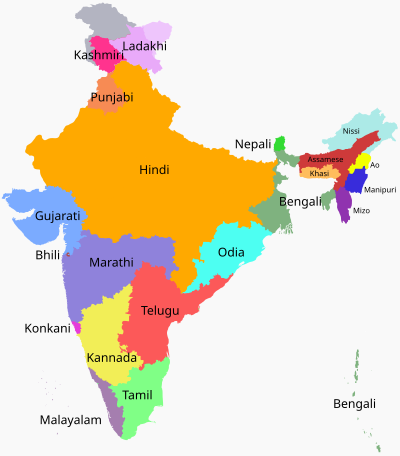


Defining the 'Regional' in Language
A regional language is fundamentally defined by its territorial connection and its status relative to a state's official language(s). It is spoken traditionally within a specific geographical area of a sovereign nation, by a group of its citizens who form a minority compared to the broader population. This distinguishes it from a national language, which is typically the primary language of government, education, and public life across the entire country.
The concept is further elaborated by international frameworks like the European Charter for Regional or Minority Languages, which specifies criteria such as traditional use and numerical inferiority within the state. Crucially, recognition as a regional language does not equate to official status; it signifies a distinct linguistic heritage that is recognized and often protected, but not necessarily mandated for national use. This nuanced definition highlights the delicate balance between national unity and the preservation of local linguistic distinctiveness.
The Deep Historical Tapestry of Regional Tongues
The genesis of regional languages is intrinsically linked to the historical development of human settlements and the formation of distinct communities. As populations migrated and settled across diverse landscapes, their communication patterns naturally diverged. Over centuries, these linguistic variations, shaped by local environments, social structures, and interactions with neighboring groups, solidified into unique languages.
These languages became repositories of local history, oral traditions, and unique cultural practices, passed down through generations. They represent linguistic lineages that predate or have evolved separately from the dominant national language, often serving as living historical documents. The continued existence of a regional language is a testament to the resilience of its speakers and their commitment to maintaining a connection to their ancestral past, embodying a continuity that stretches back through time.
The Indispensable Value of Linguistic Pluralism
The importance of regional languages extends far beyond mere communication; they are cornerstones of cultural diversity and identity. Each regional language encapsulates a unique worldview, a distinct set of cultural norms, and a rich repository of local knowledge, folklore, and artistic expression. The preservation of these languages is therefore paramount to maintaining the global mosaic of human cultures.
When a regional language thrives, it enriches the national identity by adding layers of complexity and depth. Conversely, the erosion or extinction of a regional language results in an irreversible loss of cultural heritage, diminishing the collective human experience. Recognizing and supporting regional languages fosters social cohesion, promotes intercultural understanding, and ensures that the full spectrum of human thought and expression is maintained for future generations.
Mechanisms of Recognition and Protection
The status and survival of regional languages are often shaped by legal and social frameworks designed for their recognition and protection. While not official languages, many states implement policies to safeguard these linguistic assets. This can include provisions for education in regional languages, media broadcasting, and public services.
International agreements, such as the aforementioned European Charter, provide a blueprint for member states to commit to protecting and promoting regional or minority languages. These mechanisms aim to empower the communities that speak these languages, ensuring their right to use and transmit their linguistic heritage. The effectiveness of these measures varies, but their existence signifies a growing global awareness of the value of linguistic pluralism and the need to actively support languages that might otherwise be marginalized in an increasingly globalized world.
Contemporary Relevance and Challenges
In the modern era, regional languages face both opportunities and significant challenges. Globalization and the pervasive influence of dominant international languages can lead to assimilation, threatening the vitality of smaller linguistic communities. However, digital technologies and increased global awareness of cultural rights also offer new avenues for revitalization. Online platforms can connect dispersed speakers, facilitate language learning, and promote cultural content.
The ongoing debate surrounding regional languages often intersects with issues of national identity, minority rights, and cultural preservation. Their continued existence serves as a powerful indicator of a society's commitment to inclusivity and its appreciation for the diverse threads that constitute its cultural fabric. The future of regional languages hinges on sustained efforts by both governments and communities to value and actively nurture these unique linguistic treasures.
See also
Frequently Asked Questions
What is a regional language?+
How is a regional language different from a national language?+
Why are regional languages important for culture?+
How can a country protect its regional languages?+
What happens if a regional language disappears?+
Based on content from Wikipedia · Licensed under CC BY-SA 4.0