

Rakaposhi
Images
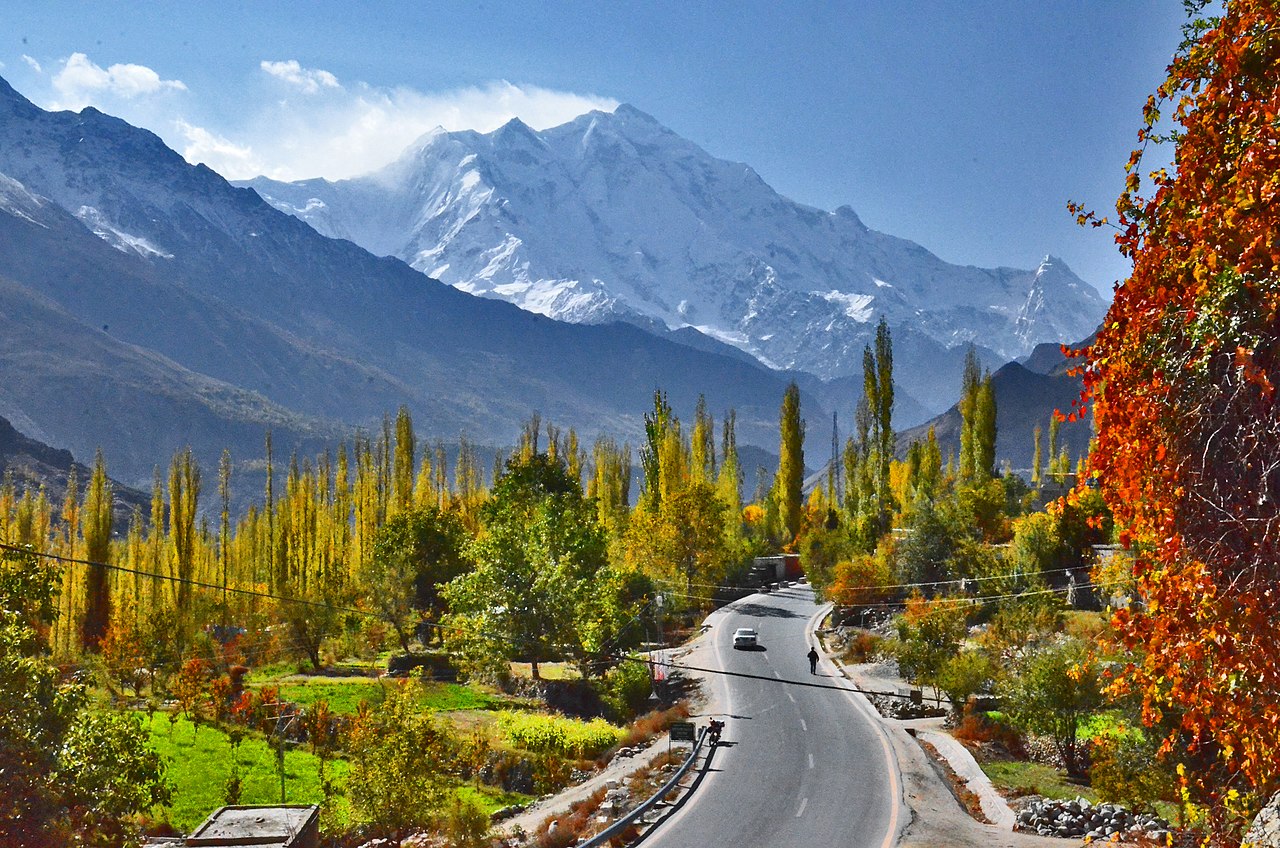
Rakaposhi, Nagar GB (Pakistan)


Geomorphological Marvel
Rakaposhi, a majestic peak within the Karakoram range of Gilgit-Baltistan, Pakistan, presents a unique geomorphological spectacle. Its most striking characteristic is an almost unparalleled uninterrupted vertical drop of approximately 6,000 meters (19,685 feet) from its summit to its base. This extreme relief is exceptionally rare globally and is a direct result of intense tectonic uplift and glacial erosion that have sculpted the Karakoram over millennia.
Unlike many other high mountains that are part of complex massif systems with intervening ridges and valleys, Rakaposhi's sheer face offers a dramatic, singular descent. This feature makes it a subject of intense interest for geologists studying mountain formation and a formidable challenge for mountaineers, even though its summit has been successfully reached.
Naming and Perception
The name Rakaposhi, derived from the local Burushaski language, translates to 'Shining Wall.' This appellation is remarkably apt, as the mountain's vast, snow-and-ice-covered slopes reflect sunlight with an intense brilliance, creating the illusion of a luminous barrier. Complementing this is its alternative name, Dumani, meaning 'Mother of Mist.' This dual nomenclature speaks volumes about the mountain's dual nature and its profound impact on the local psyche. 'Shining Wall' captures its awe-inspiring visual grandeur, while 'Mother of Mist' alludes to its atmospheric presence, often veiled in clouds, imbuing it with an aura of mystery and reverence.
These names are not mere descriptors but are deeply embedded in the cultural landscape of the region.
Geographic Context and Surrounding Valleys
Situated in the heart of the Karakoram, Rakaposhi is strategically located between the fertile Nagar and Bagrote valleys. These valleys, carved by ancient glaciers and fed by meltwater, provide a stark contrast to the barren, icy heights of the mountain. The immense width of Rakaposhi, spanning nearly 20 kilometers (12 miles) from east to west, dominates the skyline and influences the microclimates of the surrounding areas.
The mountain's imposing presence shapes the daily lives, agricultural practices, and cultural traditions of the communities residing in these valleys. Its sheer scale serves as a constant reminder of nature's power and the delicate balance of life in such extreme environments.
Human Interaction and Mountaineering Significance
While Rakaposhi's extreme slopes preclude permanent human habitation, its allure has drawn mountaineers for decades. The first successful ascent was achieved in 1947 by a British expedition. The mountain's challenging but not insurmountable technical aspects, combined with its breathtaking beauty, make it a significant peak in the world of high-altitude mountaineering.
The presence of Rakaposhi has also fostered unique cultural adaptations in the Nagar and Bagrote valleys, where traditional practices have evolved in harmony with the mountain's presence. Understanding Rakaposhi involves appreciating its geological formation, its visual impact, and its enduring place in the cultural heritage of the region.
Ecological Considerations and Future Relevance
The high-altitude ecosystem around Rakaposhi is fragile, characterized by sparse vegetation adapted to cold and arid conditions, and a limited range of wildlife. Glacial meltwater from Rakaposhi and surrounding peaks is a vital resource for the downstream communities, supporting agriculture in the otherwise arid valleys. As global climate patterns shift, the glaciers feeding these water sources are subject to change, posing potential challenges for water security in the region.
Therefore, Rakaposhi is not just a geological wonder but also a critical component of a sensitive ecological system whose future health is of increasing importance for both the environment and the human populations that depend on it.
See also
Frequently Asked Questions
What is Rakaposhi?+
Why is Rakaposhi called the "Shining Wall"?+
Where is Rakaposhi located?+
How tall is the drop from the top of Rakaposhi to the bottom?+
When was the first time people reached the top of Rakaposhi?+
Based on content from Wikipedia · Licensed under CC BY-SA 4.0