

Cuba's Awesome Neighborhoods!
Images

Camaguey in Cuba


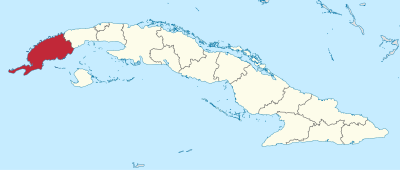


The Cartography of Cuban Governance
Cuba's territorial organization is primarily defined by its 15 provinces and the distinct special municipality of Isla de la Juventud. This administrative framework is not merely a cartographical exercise but a fundamental mechanism for governance, resource allocation, and regional development. The provincial structure allows for a decentralized approach to managing the island's diverse socio-economic and environmental landscapes.
Each province functions as a significant administrative unit, responsible for implementing national policies at a local level, managing public services, and fostering regional economies. The existence of Isla de la Juventud as a special municipality signifies a unique administrative status, likely granting it a degree of autonomy or specific governance protocols distinct from the standard provinces. This layered approach to territorial division is crucial for effective administration across a nation with varied geographical features and population densities.
Reconfiguring the Map
The administrative geography of Cuba underwent a significant transformation in August 2010 with the division of the former La Habana Province. This strategic realignment resulted in the creation of two new provinces: Artemisa and Mayabeque. Prior to this change, La Habana Province encompassed a larger territory, and its division suggests a deliberate effort to enhance administrative efficiency and responsiveness.
Such divisions are often driven by the need to better manage growing populations, optimize resource distribution, and address the specific developmental needs of distinct sub-regions. The creation of Artemisa and Mayabeque from a single, presumably large, administrative entity indicates a move towards more granular governance, potentially allowing for more targeted policies and improved local administration within these newly defined territories. This reform underscores the dynamic nature of administrative boundaries in response to evolving national priorities.
The Functional Significance of Provincial Divisions
The provincial divisions of Cuba serve critical functions that extend beyond mere administrative convenience. They are the conduits through which national policies are translated into tangible actions at the regional level. This structure facilitates the planning and delivery of essential public services, including healthcare, education, and infrastructure development, ensuring that these are accessible across the island.
Furthermore, provincial boundaries often delineate areas with distinct economic specializations, such as agriculture, industry, or tourism, allowing for tailored economic strategies. The existence of these divisions also contributes to the formation of regional identities and fosters a sense of local belonging among citizens. By segmenting the nation into manageable administrative units, Cuba can more effectively address regional disparities and promote balanced development across its territory.
Comparative Administrative Models and Cuban Provinces
Cuba's provincial system can be viewed within the broader context of administrative geography. While the exact number and boundaries have evolved, the principle of dividing a nation into sub-national units for governance is common globally. The recent division of La Habana Province into Artemisa and Mayabeque is a contemporary example of administrative reform aimed at optimizing governance.
This process is not unique to Cuba; many countries periodically review and adjust their administrative divisions to better reflect demographic shifts, economic realities, and governance objectives. The specific designation of Isla de la Juventud as a special municipality highlights a potential variation in administrative models, perhaps indicating a unique historical context or a specific developmental mandate for the island. Understanding these provincial structures is key to comprehending the operational dynamics of the Cuban state.
See also
Frequently Asked Questions
What are the provinces of Cuba?+
Why was La Habana Province split into two new provinces?+
What is Isla de la Juventud and why is it special?+
How do provinces help people in Cuba?+
What does it mean that Cuba has a "decentralized approach" to its provinces?+
Based on content from Wikipedia · Licensed under CC BY-SA 4.0