

Protein: Your Body's Awesome Building Blocks!
Images
Protein (nutrient)
From 'First Principle' to Molecular Machines
The scientific exploration of protein is a cornerstone of biochemistry. The term 'protein' itself, derived from the Greek word 'protos' (first), was introduced by Gerardus Mulder in 1838, reflecting an early intuition of its fundamental biological significance. However, fully elucidating protein's structure and function was a protracted endeavor.
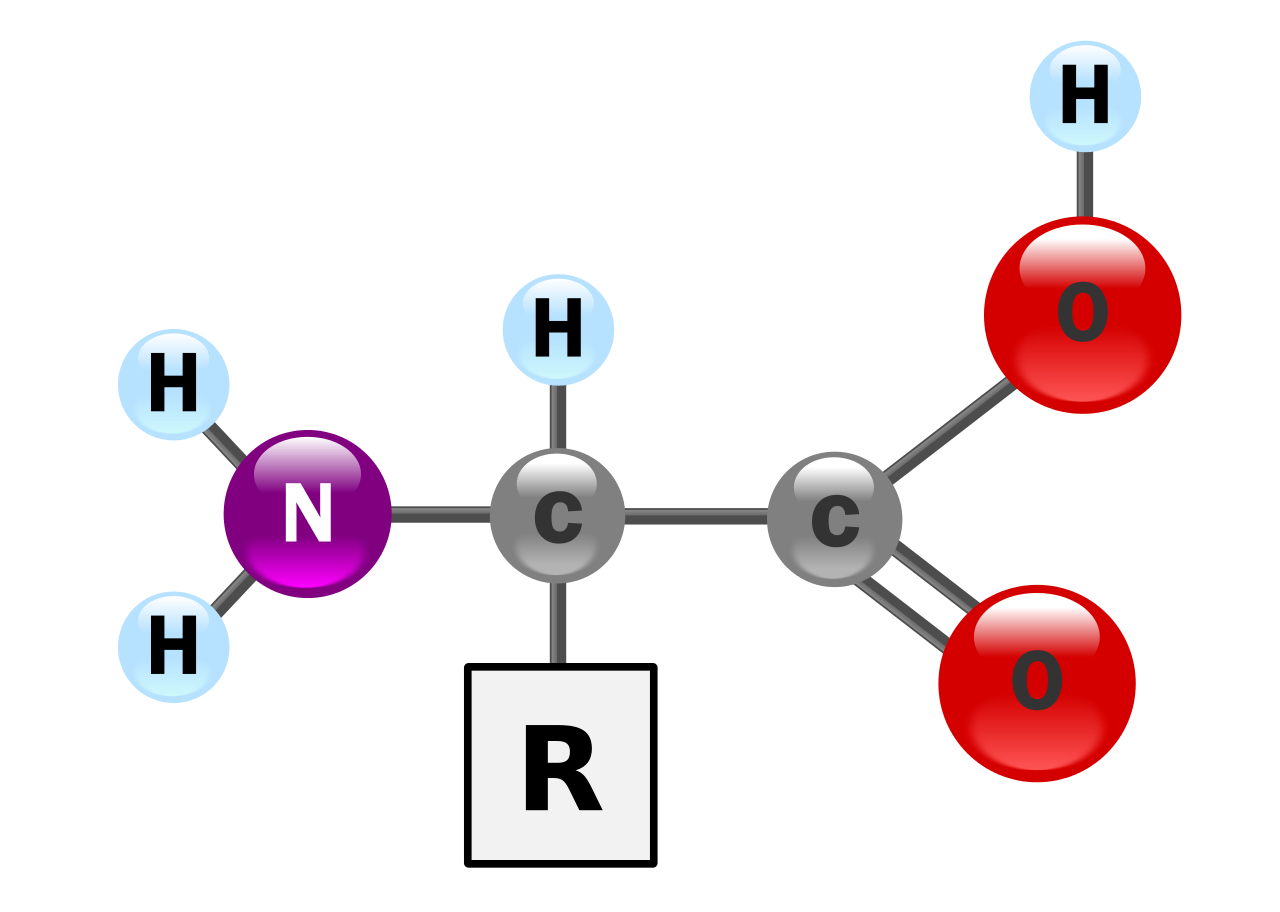
Early 20th-century research, notably by Emil Fischer, established that proteins were composed of amino acids linked by peptide bonds, proposing a linear chain structure. The subsequent decades saw the unraveling of the complex hierarchy of protein structure: primary (amino acid sequence), secondary (alpha-helices and beta-sheets), tertiary (three-dimensional folding), and quaternary (assembly of multiple polypeptide chains). This structural understanding paved the way for comprehending protein's vast functional diversity. Landmark discoveries, such as James Sumner's crystallization of the enzyme urease in 1926, demonstrating that enzymes are proteins, and the elucidation of DNA's role in protein synthesis, revolutionized molecular biology.
Today, proteins are recognized not just as building blocks but as sophisticated molecular machines driving nearly every cellular process.
The Indispensable Roles of Proteins
Proteins are the workhorses of the cell, performing an astonishing array of functions critical for life. As structural components, they provide mechanical support and shape to cells and tissues; collagen, for instance, is the most abundant protein in mammals, forming the framework of connective tissues. Proteins also act as enzymes, catalyzing biochemical reactions with remarkable specificity and efficiency, enabling metabolism, DNA replication, and signal transduction.
Hormones like insulin, which are protein-based, regulate physiological processes. Furthermore, proteins are central to transport, such as hemoglobin carrying oxygen in the blood and membrane proteins facilitating the movement of ions and molecules across cell boundaries. The immune system relies heavily on proteins, particularly antibodies (immunoglobulins), which identify and neutralize pathogens.
Motor proteins like actin and myosin enable muscle contraction and cellular movement, while proteins involved in gene regulation control the expression of genetic information. This functional diversity underscores their indispensable nature.
Protein Metabolism and Nutritional Significance
Protein's role in nutrition is paramount, extending beyond mere structural provision. The body constantly breaks down and synthesizes proteins in a process called protein turnover, requiring a continuous supply of amino acids. Dietary protein provides these essential building blocks.
The quality of dietary protein is assessed by its amino acid profile; 'complete' proteins, typically from animal sources (meat, dairy, eggs), contain all nine essential amino acids in sufficient quantities. 'Incomplete' proteins, common in plant-based diets (legumes, grains, nuts), may be deficient in one or more essential amino acids. However, by consuming a variety of plant protein sources throughout the day, individuals can achieve a balanced intake of all essential amino acids.
Protein's metabolic fate is complex: after fulfilling its roles in synthesis and repair, excess amino acids can be deaminated, with the carbon skeletons used for energy production or converted to glucose or fat, while the nitrogenous waste is excreted as urea. Maintaining an appropriate protein intake is crucial for growth, tissue repair, immune function, and overall metabolic health.
Proteinopathies and Therapeutic Innovations
While essential for life, aberrant protein behavior can lead to disease, a field known as proteinopathies. Misfolded proteins can aggregate, disrupting cellular function and leading to neurodegenerative disorders such as Alzheimer's disease (amyloid-beta plaques), Parkinson's disease (alpha-synuclein aggregates), and prion diseases (like Creutzfeldt-Jakob disease). Genetic mutations can result in non-functional or toxic proteins, as seen in cystic fibrosis (mutated CFTR protein) or sickle cell anemia (abnormal hemoglobin).
Understanding these proteinopathies has spurred significant therapeutic research. Strategies include developing drugs to prevent protein misfolding or aggregation, enhance protein degradation, or correct the underlying genetic defect. Gene therapy and targeted drug delivery systems are being explored to address diseases caused by specific protein dysfunction.
The study of protein structure-function relationships continues to be a fertile ground for developing novel treatments for a wide range of human ailments.
Go deeper
Frequently Asked Questions
What are proteins and why are they important for my body?+
How do proteins help my muscles move?+
Why do we need protein from food?+
Are there different types of proteins in the food we eat?+
How did scientists discover what proteins are?+
Based on content from Wikipedia · Licensed under CC BY-SA 4.0