

The Protein Data Bank: A Giant Library of Life's Building Blocks!
Images

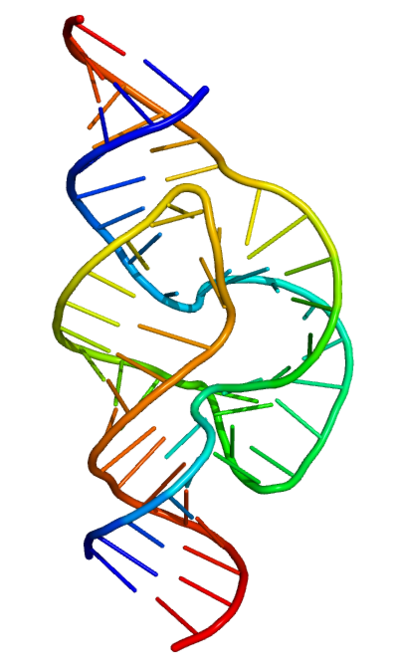
14-3-3 sigma in complex with TAZ pS89 peptide - Protein Data Bank



The Genesis and Evolution of a Foundational Scientific Archive
The Protein Data Bank (PDB) emerged in 1971 at Brookhaven National Laboratory, initially as a small archive to share the experimentally determined three-dimensional structures of proteins. In its nascent stages, the PDB contained only a handful of entries, reflecting the laborious and complex nature of structural determination using techniques like X-ray crystallography. The early vision was to create a centralized, accessible repository to prevent redundant efforts and foster collaboration within the burgeoning field of structural biology.
Over the decades, fueled by advancements in experimental methodologies such as Nuclear Magnetic Resonance (NMR) spectroscopy and, more recently, the transformative power of cryogenic electron microscopy (cryo-EM), the PDB has experienced exponential growth. This expansion has broadened its scope beyond just proteins to include nucleic acids and their complexes, making it an indispensable resource for understanding the fundamental architecture of biological systems.
The management has also evolved, transitioning to the global Worldwide Protein Data Bank (wwPDB) partnership, comprising major data centers like RCSB PDB (USA), PDBe (Europe), and PDBj (Japan), ensuring robust curation and worldwide accessibility.
The Intricate Process of Data Acquisition and Curation
The PDB's integrity relies on a rigorous process of data acquisition and expert curation. Scientists worldwide employ sophisticated experimental techniques to elucidate molecular structures. X-ray crystallography involves crystallizing a molecule and then bombarding it with X-rays to observe diffraction patterns, from which a 3D model can be reconstructed.
NMR spectroscopy probes molecular structure by analyzing the magnetic properties of atomic nuclei, particularly useful for smaller proteins and dynamic molecules in solution. Cryogenic electron microscopy (cryo-EM) has revolutionized structural biology by allowing researchers to determine the structures of large, complex molecules and assemblies that are difficult or impossible to crystallize, often at near-atomic resolution. Once experimental data is collected, it is meticulously processed and deposited into the PDB.
Here, expert biocurators play a critical role, reviewing the deposited data for accuracy, completeness, and adherence to community standards. This validation process ensures that the information available to the scientific community is reliable and of high quality, forming the bedrock for subsequent research and discovery.
The Profound Impact
The PDB is far more than just a data archive; it is a critical engine driving innovation in numerous scientific and medical fields. Its most significant impact lies in drug discovery and development. By providing detailed 3D structures of target molecules, such as viral proteins or enzymes implicated in diseases like cancer, the PDB enables rational drug design.
Pharmaceutical companies can computationally screen potential drug candidates, designing molecules that precisely fit into the active sites of these targets, thereby inhibiting their function or correcting their activity. This approach dramatically accelerates the drug development pipeline and increases the likelihood of success. Furthermore, the PDB is foundational to structural genomics initiatives, aiming to map the structures of all proteins within an organism, which helps in understanding cellular pathways and identifying potential therapeutic targets.
It also underpins research in areas like protein engineering, synthetic biology, and understanding evolutionary relationships between molecules.
Open Access and Interconnectedness
A defining characteristic of the PDB is its commitment to open access. All structural data deposited and validated is made freely available to the public via the internet under the CC0 Public Domain Dedication. This policy ensures that the knowledge generated by researchers is accessible to anyone, anywhere, fostering global scientific collaboration and accelerating the pace of discovery.
This open data model is increasingly mandated by major scientific journals and funding agencies, reinforcing the PDB's central role. The PDB also serves as a nexus for a vast ecosystem of related biological databases. For instance, databases like SCOP (Structural Classification of Proteins) and CATH (Class, Architecture, Topology, Homologous superfamily) use PDB entries to classify protein structures based on their evolutionary relationships and structural features.
PDBsum provides graphical summaries of PDB entries, integrating information from other resources like Gene Ontology (GO) to offer a comprehensive view of a molecule's function and biological context. This interconnectedness highlights the PDB's position as a foundational resource upon which much of modern molecular biology research is built.
See also
Frequently Asked Questions
What is the Protein Data Bank and why is it called a library?+
How did the Protein Data Bank start in 1971?+
How do scientists find the 3‑D shapes of proteins?+
Who keeps the Protein Data Bank organized and accurate?+
How does the Protein Data Bank help make new medicines?+
Based on content from Wikipedia · Licensed under CC BY-SA 4.0