

Professional Wrestling: The Amazing World of Superstars!
Images
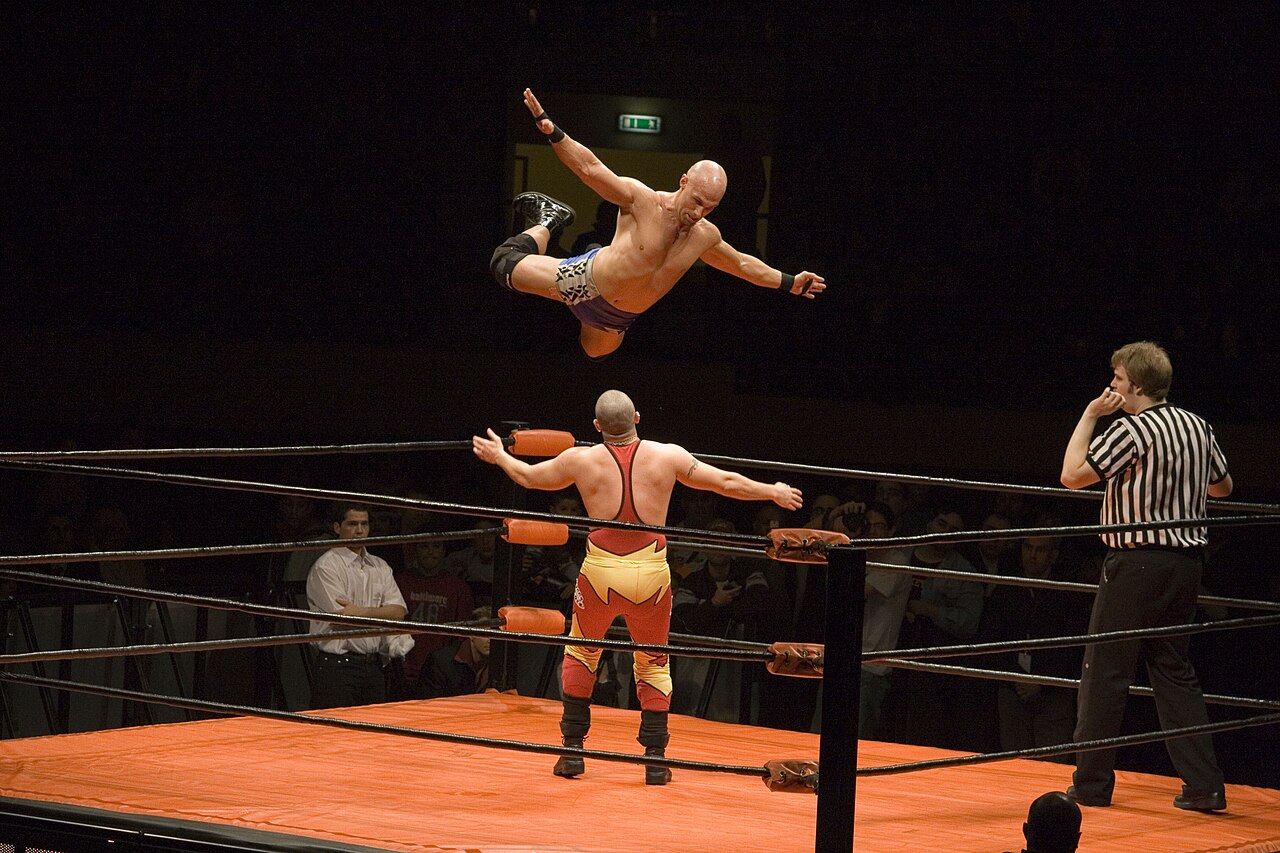
Professional wrestling
From Vaudeville to Global Brands
Professional wrestling's trajectory from its nascent stages in the late 19th century to its current status as a multi-billion dollar global industry is a fascinating study in entertainment evolution. Initially rooted in carnival strongman displays and legitimate catch-as-catch-can wrestling, the sport began to incorporate theatrical elements to draw larger crowds. Figures like Frank Gotch and George Hackenschmidt were early stars, but it was the promotional acumen of individuals like Jess McMahon and Toots Mondt that truly began to shape it into 'show business.' The advent of television in the mid-20th century proved transformative, allowing promoters to craft compelling narratives and characters that resonated with a mass audience.
This era saw the rise of iconic promotions like the National Wrestling Alliance (NWA) and later, the World Wrestling Federation (WWF, now WWE). The business model shifted from a territory-based system to a more centralized, globally recognized brand, emphasizing character development, elaborate storylines, and high-production value events that blurred the lines between sport and pure entertainment.
The Mechanics of Illusion
The 'in-ring' product of professional wrestling is a sophisticated blend of athletic execution and psychological manipulation designed to elicit a specific audience response. Matches are meticulously choreographed, with wrestlers acting as both performers and co-creators of the action. This involves intricate planning of sequences, timing, and the execution of 'spots' (specific moves or sequences).
Crucially, safety is paramount; wrestlers undergo rigorous training to perform high-risk maneuvers in a way that minimizes injury to themselves and their opponents. The psychology of the match is equally important, focusing on building drama, suspense, and emotional investment. This is achieved through pacing, selling (reacting to moves as if they are genuinely painful), and the strategic use of characters' strengths and weaknesses.
The narrative arc of a match, from its opening exchanges to its climactic finish, is designed to tell a story that captivates the audience and reinforces character motivations.
The Enduring Allure
The persistent appeal of professional wrestling lies in its ability to tap into fundamental human desires for narrative, conflict, and catharsis. It provides a modern-day mythology, complete with archetypal heroes and villains, epic struggles, and clear moral frameworks, albeit often exaggerated. The larger-than-life personas, or 'gimmicks,' allow for escapism, offering audiences a chance to invest in characters and storylines that are distinct from everyday reality.
The inherent athleticism and the visual spectacle of the matches provide immediate entertainment value, while the ongoing narratives create a sense of anticipation and loyalty. Furthermore, professional wrestling often reflects and comments on societal issues, albeit through a highly stylized lens, which can resonate deeply with its audience. This complex interplay of athletic performance, dramatic storytelling, and cultural commentary creates a unique and powerful form of entertainment that fosters deep fan engagement.
Cultural Footprint and Crossover Appeal
Professional wrestling's impact extends far beyond the confines of the arena, permeating various aspects of popular culture. Its distinctive characters, catchphrases, and dramatic storylines have been widely referenced and parodied in film, television, music, and literature. Many wrestling superstars have leveraged their fame to achieve success in mainstream media, becoming actors, television hosts, or even politicians, demonstrating the significant crossover appeal of the industry.
The business itself has also influenced marketing and branding strategies, with major wrestling promotions operating as global entertainment conglomerates. Moreover, professional wrestling has provided a unique platform for exploring themes of identity, power, and social commentary, often through its diverse roster of performers and characters, contributing to ongoing cultural conversations and solidifying its place as a significant, albeit unconventional, cultural phenomenon.
The Business of Brawn
The economic model of professional wrestling has evolved significantly, moving from a fragmented, territory-based system to highly centralized, global corporations like WWE. These companies generate revenue through multiple streams, including live event ticket sales, pay-per-view broadcasts, merchandise, television rights, and digital content. The development of sophisticated branding and marketing strategies has been crucial in building a loyal international fanbase.
Major promotions invest heavily in talent development, production values, and global expansion, establishing a presence in diverse markets. This global reach allows for the cultivation of a worldwide audience, with events often broadcast in numerous languages and held in international stadiums. The business's ability to adapt to changing media landscapes, from traditional television to streaming services and social media, underscores its resilience and continued relevance in the entertainment industry.
Go deeper
Frequently Asked Questions
What is professional wrestling and why is it so exciting?+
How did professional wrestling start and become a big business?+
What makes a wrestling match safe even though it looks dangerous?+
Why do wrestlers have big personalities or "gimmicks"?+
How do wrestling shows mix sports and storytelling?+
Based on content from Wikipedia · Licensed under CC BY-SA 4.0